
Movie Review: No Risks, No Bounty - "The Mandalorian And Grogu" Is An Unfruitful Side Quest

3/12 ForReel Score | 1.5/5 Stars
Let’s travel back in time a bit. It was my junior year of high school — November 12, 2019, to be exact. Two years had passed since the great Last Jedi civil war, with the Star Wars franchise’s ninth entry, The Rise of Skywalker, coming around the corner a month later. In short, hype was through the roof. After seven grueling hours of frantic clock-watching in various classrooms, the school bell rang, and I, along with a close friend, made a mad dash homebound to watch The Mandalorian’s inaugural episode. Though its first season was undeniably electric, the latter two seasons and the ensuing franchise expansion have only made matters worse, with the latest instalment, the theatrically released The Mandalorian and Grogu, doing Star Wars zero favors.
Pardon my harping on The Last Jedi, though one can’t ignore that episode eight of the Skywalker saga marked a turning point in the Star Wars franchise. The Force Awakens was a drip-feed of memberberries, right down to Starkiller base (an even bigger Death Star) and its A New Hope-esque obliteration. Rian Johnson dared to take the franchise in new directions by depicting a tortured Luke Skywalker and exploring moving on, but was ultimately crucified for it. Subsequently, The Rise of Skywalker is now infamous for its reckless use of nostalgia-bait and lowest-common-denominator barrel scraping; the backbone of a beloved franchise’s slow fall from grace. Star Wars has certainly been on the decline since 1999, with The Mandalorian and Grogu being less of a “new low” than a plateau.
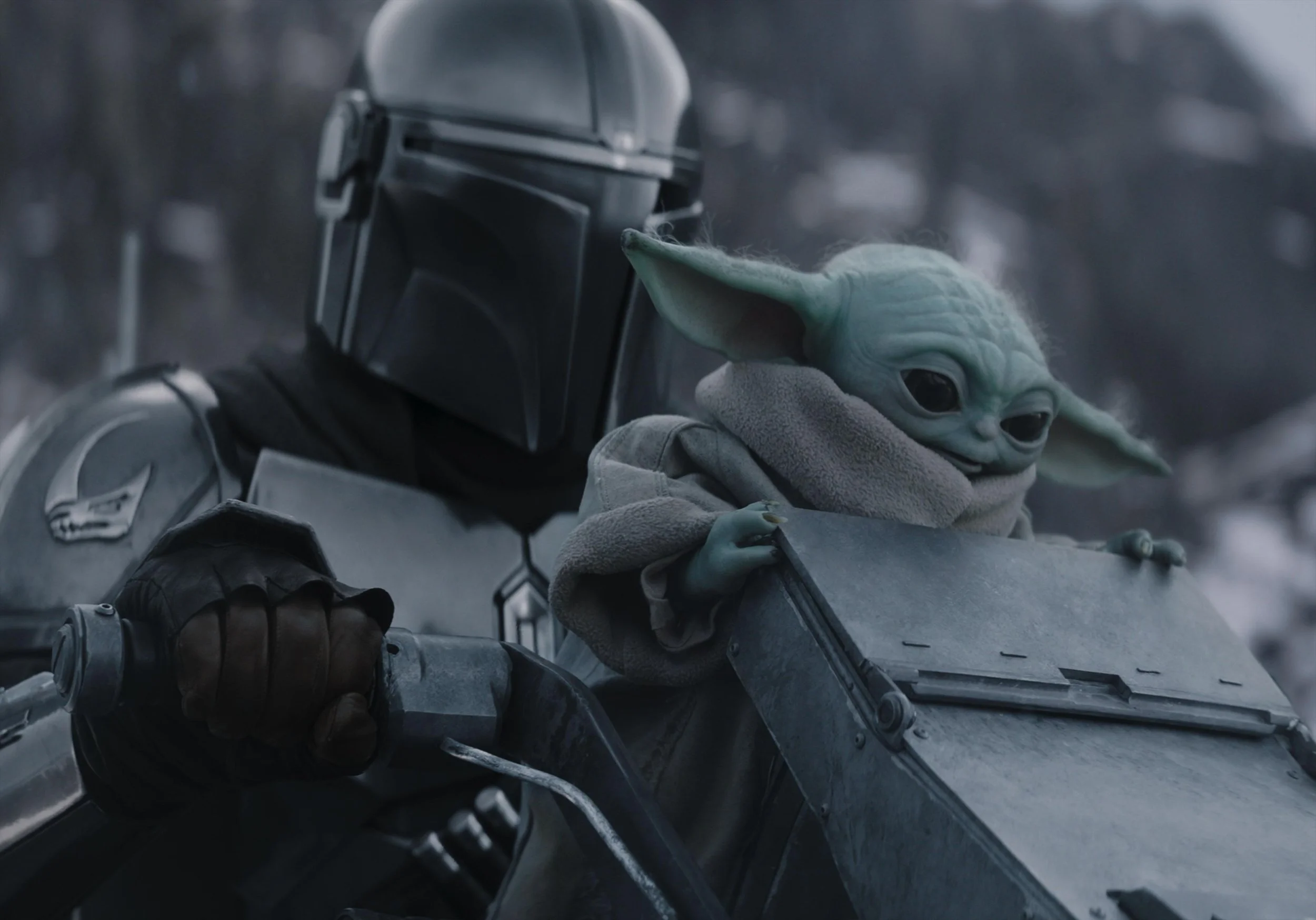
Less of a direct follow-up to season 3 than an extended sidequest episode, The Mandalorian and Grogu follows its titular characters as they hunt the last remnants of the Galactic Empire (for those uninitiated, The Mandalorian takes place between episodes six and seven). Tasked with tracking down Jabba the Hutt’s son, Rotta (Jeremy Allen White), in exchange for the location of an Imperial warlord, the mouthful of a duo embark on a multi-globetrotting adventure more akin to season 4 leftovers than a blockbuster shot for an IMAX 70mm screen. As ironically clunky as director and showrunner Jon Favreau’s Iron Man films are, there’s at least some drive behind the action there. Instead, The Mandalorian and Grogu is asleep at the wheel in all departments.
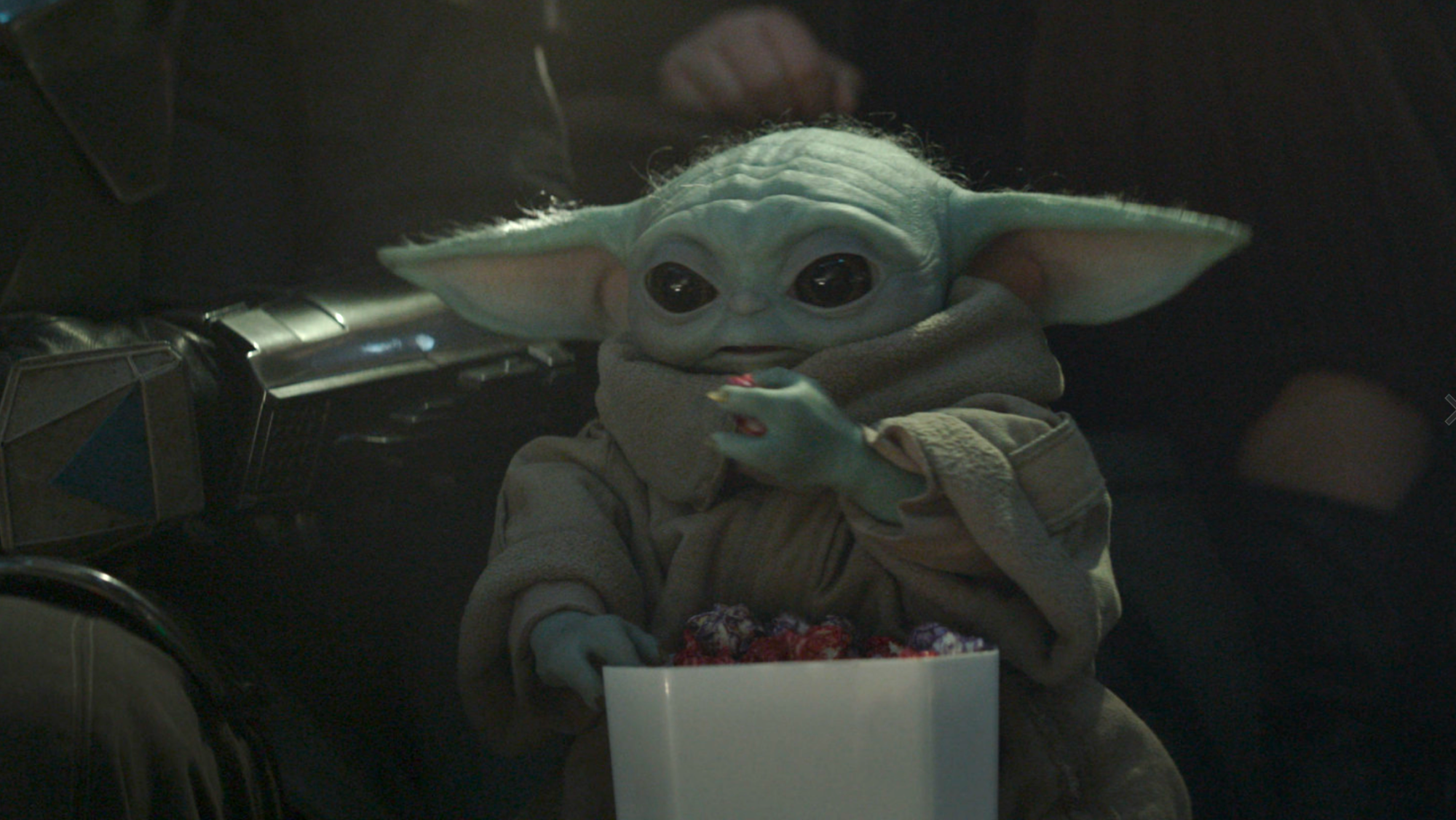
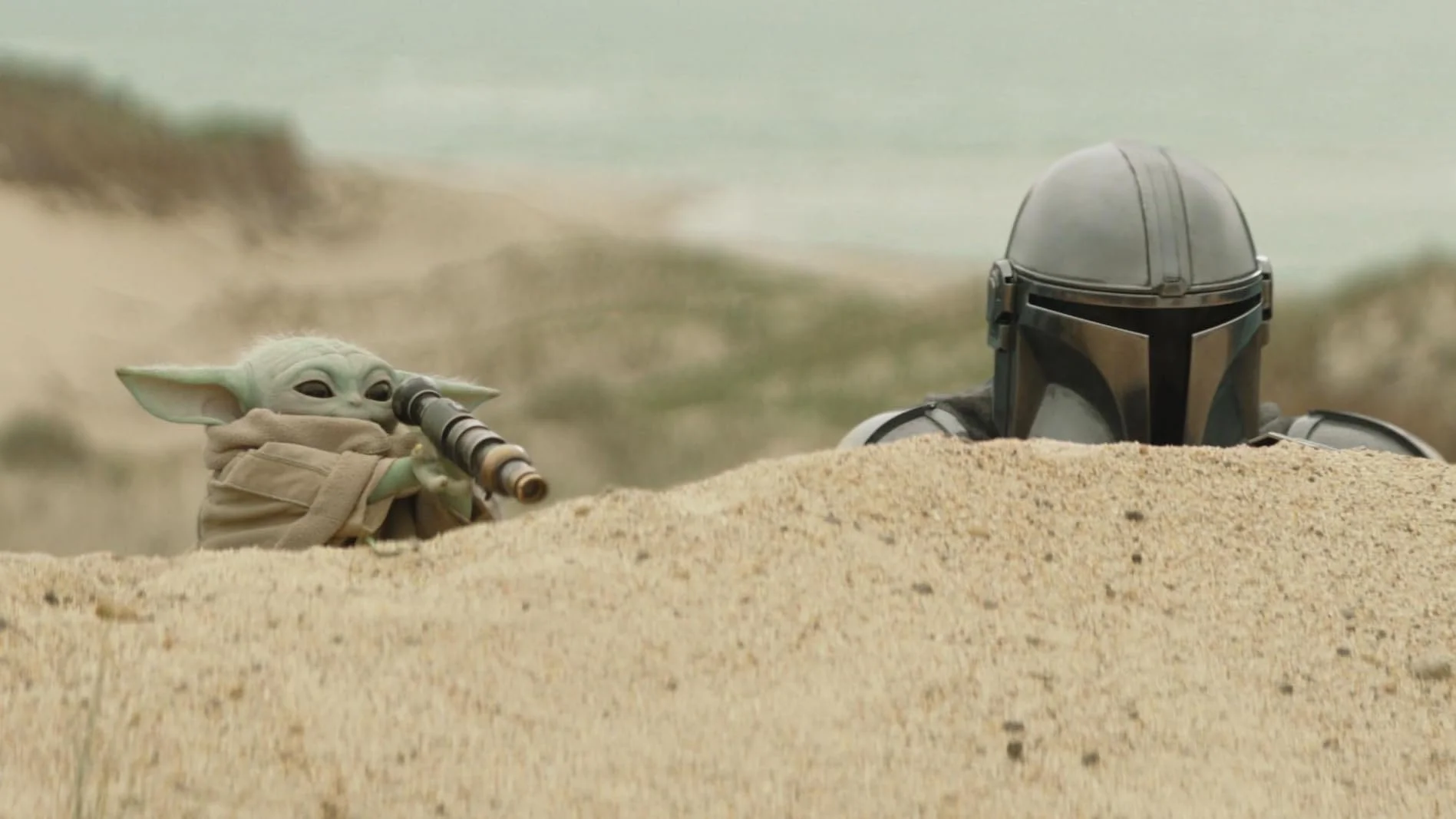
Pre-and post-mission, so much of The Mandalorian and Grogu is, for lack of a better term, quite lame. Action sequences are either CGI-clusterfucks or lazily staged fights—some in the poorest IMAX framing I’ve seen in a blockbuster—where “Mando” (Pedro Pascal at his drowsiest) either folds enemies like clean laundry or gets absolutely mollywhopped. Funny enough, some of the best scenes belong solely to Grogu (who’s still very cute) in extended Jim Henson-esque sequences that lean more into the territory of Muppets from Space than whatever the rest of the movie is. It’s impossible to ignore how dazzling ILM and Skywalker Sound’s audiovisual effects are, though it’s a shame to waste such craftsmanship on a frivolous end product.
In true contemporary Star Wars fashion, The Mandalorian and Grogu is brazenly afraid of trying new things to its detriment. Between Rotta the Hutt, Embo (two returning characters from the Star Wars: The Clone Wars movie and TV show, respectively), and Zeb (from the lesser series Star Wars: Rebels), superfans have some familiar faces to point and gawk at for their nostalgia fix. Part of The Mandalorian’s excitement stemmed from its lack of connection to the Skywalker saga, though that charm is long-gone. Thanks to co-writer and now-president of Lucasfilm, Dave Filoni (who has two self-insert characters in the film), the franchise is, unfortunately, as interconnected as ever. Where George Lucas drew on influences like Dune and Seven Samurai, Star Wars is now at a point of self-cannibalization.
Speaking of Dune, there’s an ouroboric quality to how Star Wars has been lapped by both its influences and what it influenced. Riffs like Gareth Edwards’ The Creator or Lord & Miller’s Project Hail Mary (which The Mandalorian strongly evokes) are certainly preferable to any 2020s Star Wars fare that isn't Andor, a show so short-lived that it’ll take zero time for Star Wars to lose whatever prestige status it had. Not only has Star Wars self-owned its way into TV hell, but it has also gone from the top shelf of space cinema to the lowest sewer. And, with next year’s Star Wars: Starfighter, directed by Free Guy and Deadpool & Wolverine “auteur” Shawn Levy, the great enshittification of the galaxy far, far away shows no sign of slowing down.
Even if I can’t say I’m surprised that the theatrical spinoff to a show that barely anybody likes is bad, that’s not to say the disappointment doesn’t sting. As with any child born after 1977, Star Wars has been a fundamental part of my experience as an avid movie-watcher. I grew up on shows like Star Wars: The Clone Wars, which was never prestige television, but that show at least tried to expand the universe rather than tying the whole charade together via “glup shittos” and jingling keys. One can’t help but be cynical in the face of studio fare like The Mandalorian and Grogu, with those in charge of the franchise not doing much to mend my broken heart. At least the LEGOs will be fun to build.