
Movie Review: 'Victorian Psycho' Is A High-Society Nightmare Anchored By Maika Monroe's Nutty Performance

8/12 ForReel Score | 3.5/5 Stars
Best known for her turn in the hit 2014 horror film It Follows, Maika Monroe is trading the role of the final girl for the one holding the knife. In Zachary Wigon’s Victorian Psycho (2026), Monroe is Ensor House’s new governess Winifred Notty, who describes herself as “the sanest person [she’s] ever met.” The title evokes an immediate comparison to Mary Harron’s 2000 film American Psycho, which is notorious for its critique of Wall Street in the 1980s. A similarly titled film set during the Victorian era creates a tie between the two that calls into question their similarities and differences. This film, by comparison, is far weirder than Harron’s – and explores a vastly different perspective.
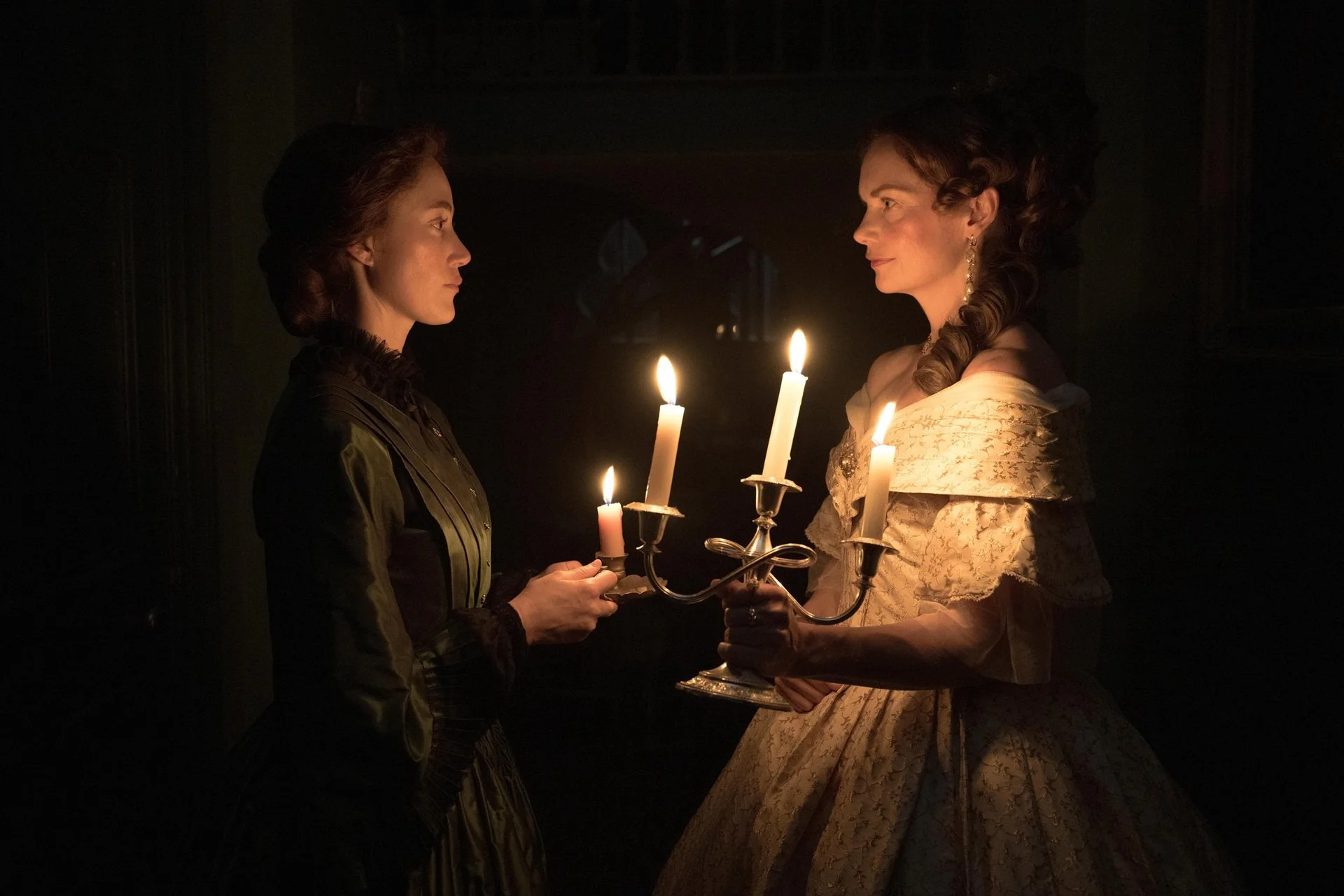
Monroe as Winifred is downright unnerving to watch onscreen and is the film’s biggest strength. Rather than resorting to a more theatrical approach to insanity, Monroe taps into the little tics and traits that craft discomfort amongst both viewers and other characters. She has a far away look in her eyes that evokes immediate dread as to what could possibly be going on in her mind. This is a woman untouched by any kind of rehabilitation, a true case of sociopathy and insanity. Winifred is unpredictable, but is equally insane in both her actions and her inner thoughts, which are broadcast to the audience via narration. This narration can result in some decent one-liners, but also is one of the causes of a larger problem the film has.
Victorian Psycho tries too hard to be a black comedy instead of a straight horror film, and the tonal unevenness shows cracks in the film’s foundation. While based on a novel that has a similar type of humor, the film comes off as too lighthearted for a film about a demented woman’s search for family. The script prioritizes comedic one-off interactions between Winifred and the occupants of Ensor House rather than a fleshed-out story, which makes every character outside of Winifred feel bland. This is primarily a writing issue because actors like Thomasin Mackenzie and Jason Isaacs surround Monroe, who work well with the material they have. On one hand, Winifred views these people as expendable, so I can understand from her viewpoint how inane these characters seem to her. It is unfortunately not an excuse for poor writing. While the film tries to maintain a dark overtone for the majority of the film, the overabundance of humor can make the film feel confused and shaky.
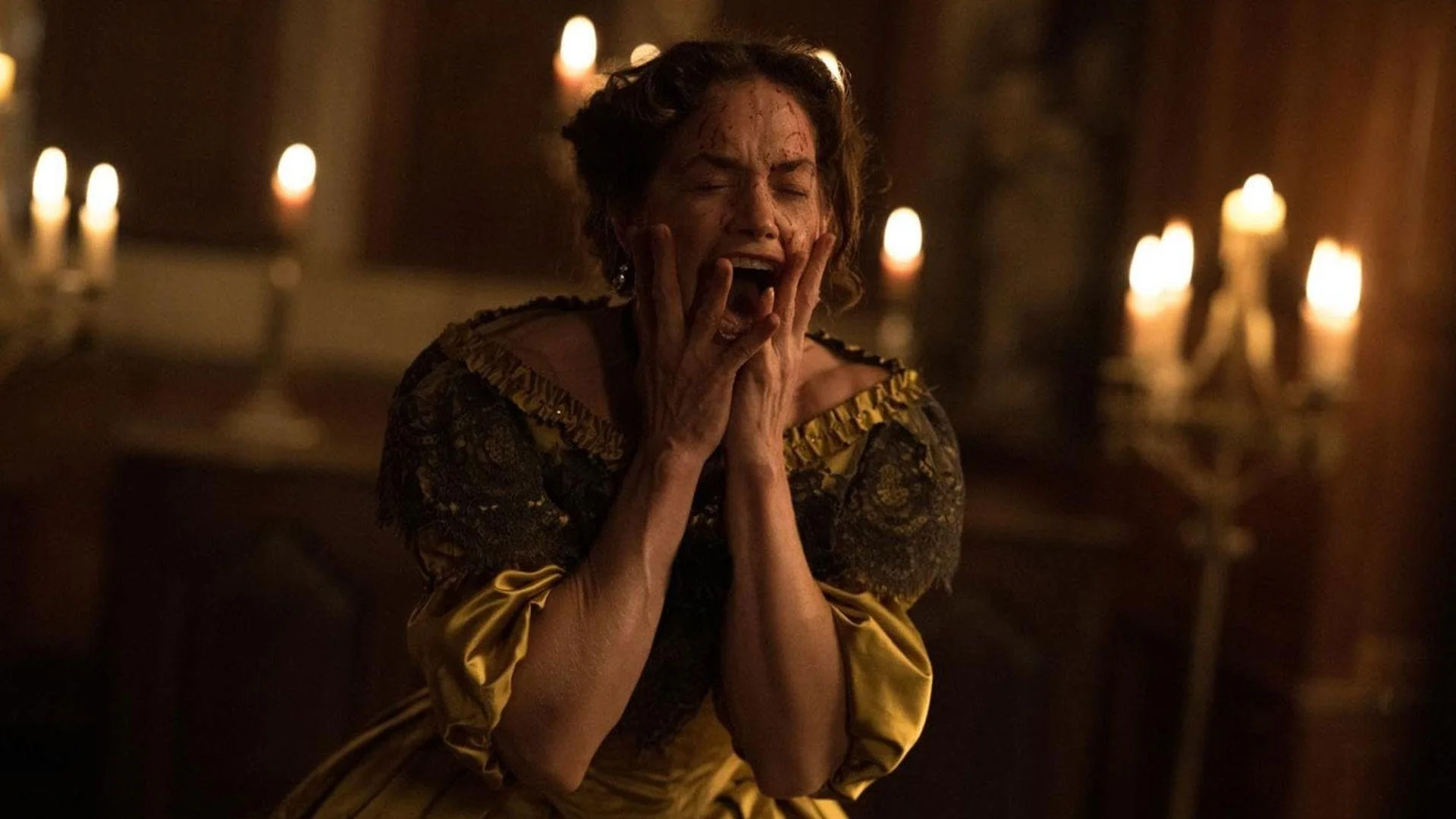
Victorian Psycho is at its most interesting when it explores the ways in which Victorian society exploits and demeans women. Andrew, the young son of the family Winifred is caring for, is a stuffy and rude child, constantly belittling his older sister Drusilla and his governess. While Winifred sufficiently scares the child into submission, his actions and views towards women reflect the ways in which boys were raised to inherit the entirety of their family’s fortune while the girls are less attended to academically. Drusilla has a small arc of her own, unlocking a similar insanity to Winifred’s, which goes to show the ways Victorian society has disillusioned women. The American Psycho comparison comes into play here, because while American Psycho covers the absurdity of Wall Street yuppie culture from someone too deep into it to get out, Victorian Psycho is an observant look into high society from the eyes of someone who will seemingly never fit into that mold. It is this twist of American Psycho’s themes of class and societal structure that compelled me the most about Victorian Psycho, although it never quite reaches its fullest potential.
The film’s visual identity is also surprisingly striking, with several body-mounted camera rigs and unnerving shot compositions highlighting Winifred’s lack of composure and sanity. A POV shot of a baby in a carriage starts off as a particularly silly moment for Winifred, but quickly turns into one of the darkest scenes of the film (no spoilers). The film goes far drearier than others set during the Victorian-era, but also feels cheap in terms of costuming and set design. As far as period pieces go, I’d take this over whatever “accurate” series Netflix is putting out these days.
Victorian Psycho was a fun enough time at the movies, but there was just so much to be desired. Monroe steals the show and shows her acting chops in a completely different way, highlighting a bold new direction for her career. Even while the film is tonally uneven and fails to truly go all the way, she stands her ground and gives one of the most exciting horror performances of the year. If more unhinged roles like this are coming from her, I could not be more delighted to see what’s next.