
Retrospective: Resident Evil - Cycles of Influence
There are very few franchises which have gained such cultural awareness as Resident Evil. Known as the benchmark for survival-horror and with a hefty amount of cinematic outings to match its gaming output, it is a titan in the realm of horror. 2026 marks the 30th anniversary of Resident Evil, and with these celebrations came a brand new game starring the series’ most iconic character in Resident Evil: Requiem. The real talk of the town right now, though, is a new cinematic outing from one of horror filmmaking’s rising auteurs.
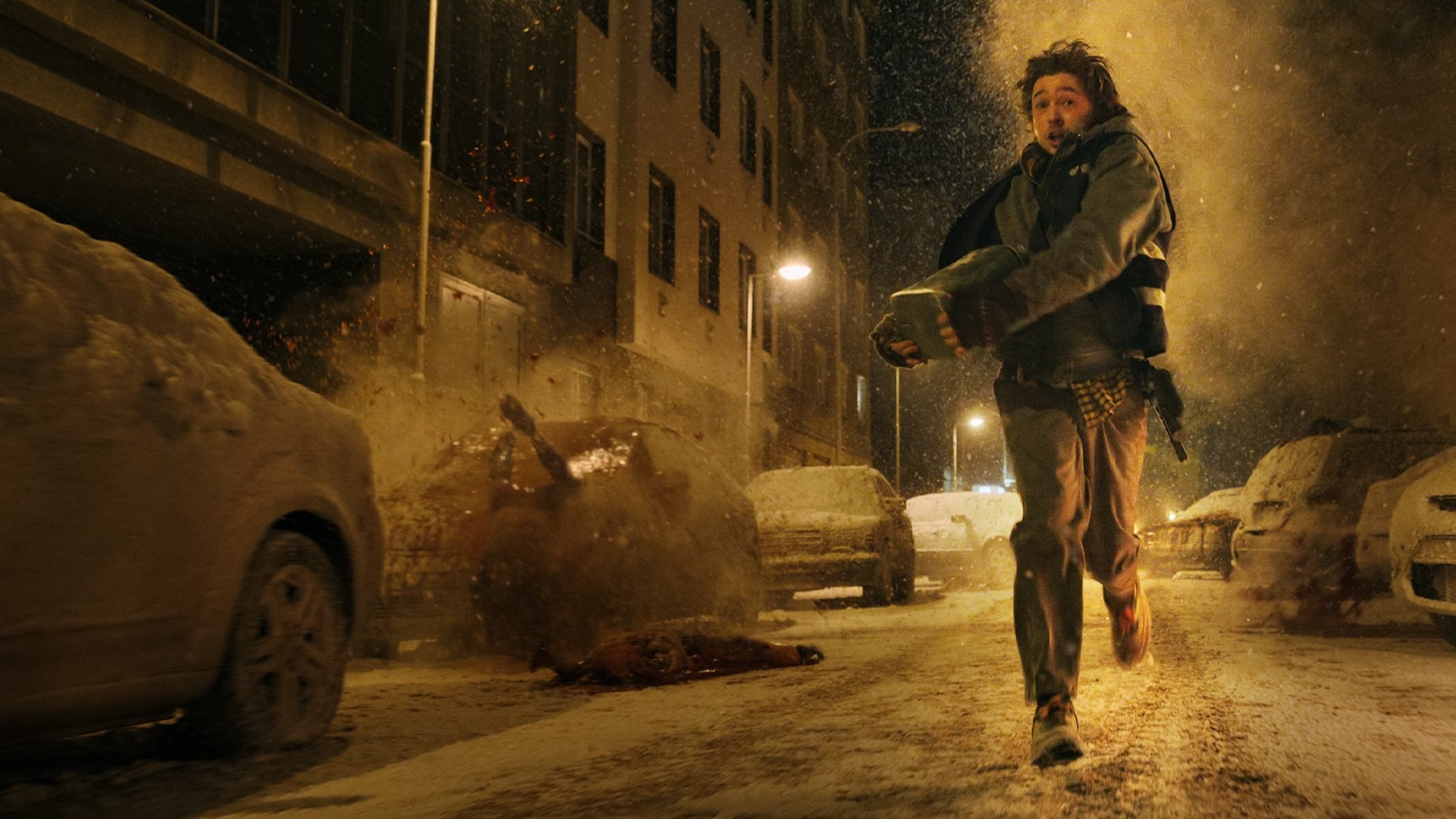
Online discussion has been rife with critique and appraisal for Zach Cregger (Barbarian, Weapons) and his approach towards the material, with many citing a lack of commitment to the story of the games as a red flag. It is no understatement to say that there is a lot riding on this film, to mold perception of the brand, to ensure that this anniversary ends on a high. Film has once again taken precedence over games in shaping Resident Evil’s identity. Which shouldn’t come as a surprise, given how intertwined the two mediums have been from day one.
The 1990’s marked a great age of advancement for the medium of video games. Beginning with cartridge based systems like the Super Nintendo and culminating in CD and DVD powered machines like the PlayStation. Technology rapidly advanced and, as a result, artists were able to bring much grander visions to fruition with a greater sense of reality. The CD was instrumental to the developing capability of video games to create engrossing worlds and engaging narratives, Resident Evil (1996) serving as the tip of the spear.
Originally pitched as a sequel to the Famicom title Sweet Home (1989), Resident Evil saw Capcom entrust the task of creating a new horror title to then first-time director Shinji Mikami. Mikami got his start in video game development without much experience with the medium, but after a string of moderately successful titles at the company (including an adaptation of Disney’s Aladdin released in 1993) he’d finally be afforded the opportunity to let his creative juices flow by taking full advantage of the new hardware.
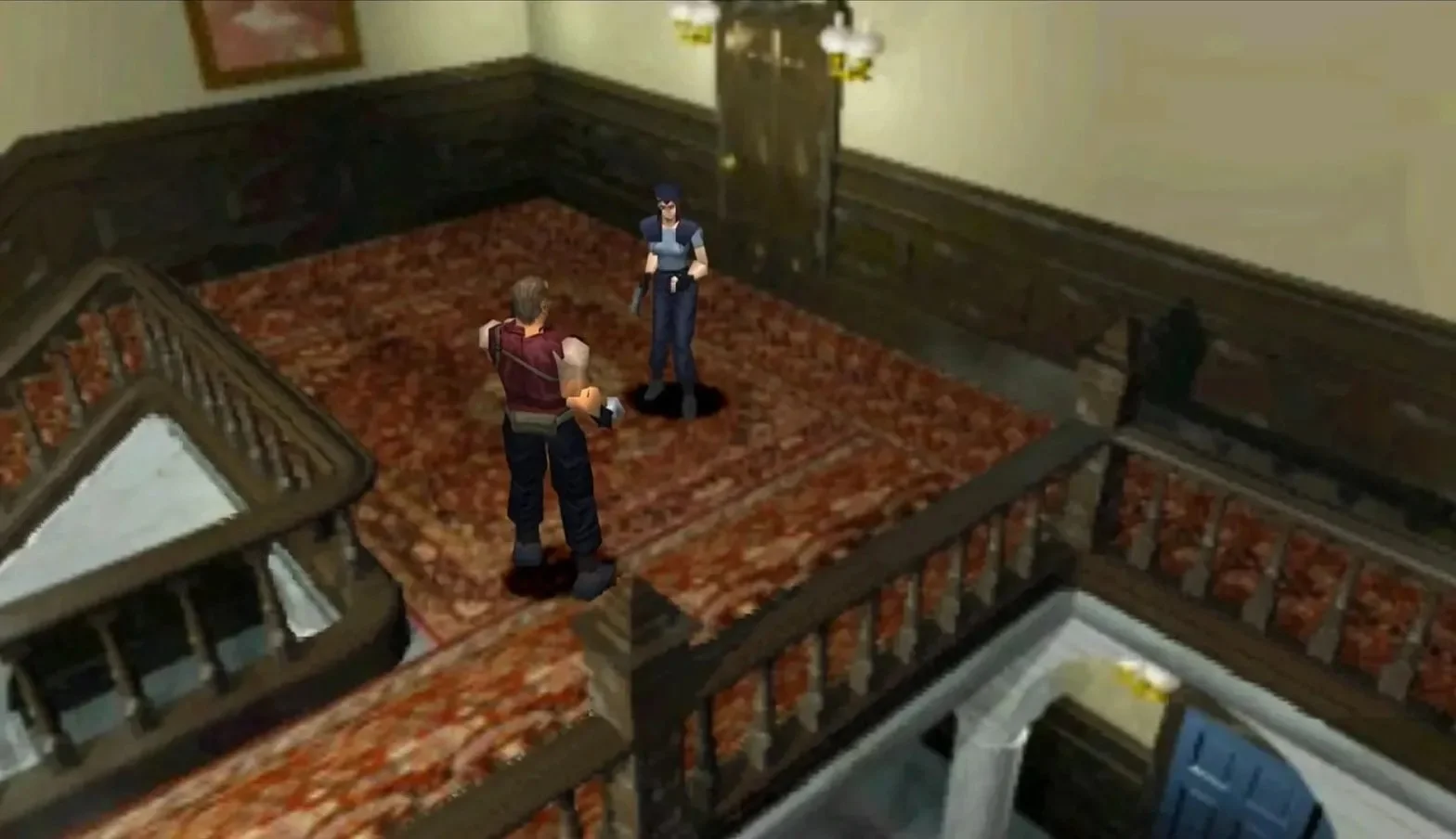
Kicking Resident Evil off is a 3-minute scene that introduces us to the game’s characters and the threat they’ll be facing. Shot with real actors in Tamagawa Park, Japan, it's a woefully cheap production by film standards, but, for home console video games, this was revolutionary. To tell a story using the medium of film alongside the medium of video games is a blessing that Mikami’s team hadn’t possessed prior to the PlayStation, and though it may look rather garish on a modern display, on a CRT screen it was almost as good as the VHS video of the time.
The direct integration of cinematic storytelling into video games would continue through the rest of Resident Evil in its pre-rendered computer generated scenes. Like their live-action counterparts, these scenes are rather unimpressive today, yet they still heighten the dramatic tension, providing a more detailed and cinematically considered look at the behaviours of the creatures hunting the player. The most experimental of these sees a POV shot of a “Hunter” honing in on the player’s location in a similar vein as the final shot of Sam Raimi’s The Evil Dead (1981), an inspiration cited by Shinji Mikami in an interview with Eurogamer. These scenes, as well as Resident Evil’s general approach to cinematography, allows for the game to continue to inject horror through presentation alone.
As an aspect of game design, the “camera”, was rarely ever considered in video games prior to the mid-90's. Design precedent dictated that most games be perceptible only through a 2D plane via top-down or horizontal scrolling. Once again, Resident Evil bucked this trend. Resident Evil didn’t yet have the benefit of analogue control sticks and so, working within these constraints, the cinematic presentation relied mostly on fixed camera placement. Not only did this allow for an immediate understanding of where the player was situated in an environment, it also enabled Resident Evil to employ techniques that had been utilised in film for decades. Resident Evil remains tense for the same reason that John Carpenter’s Halloween (1978) does: We have no clue what’s around that corner. The camera only ever cuts upon the player leaving the perceptible space, meaning that each new angle felt considered in a way that film does and allowed for every cut to emphasise present dangers and function as a potential jumpscare.
Resident Evil is indebted to cinema in its presentation, using the techniques of the medium in a more experiential mode of storytelling to elicit the same chills and thrills that its horror influences had. The setting and creatures of Resident Evil see more direct implementation of these influences. Pulling from classic horror, the Spencer Mansion elicits the aesthetics of Terence Fisher’s Horror of Dracula (1958) with a stately manor adorned in artifacts from a bygone era, its halls evoking soundstage construction with a distinct air of simulacrum. Joining this are the game’s primary threat: the shambling, groaning zombies. Infected by an initially mysterious virus, these slow moving monsters inch their way towards the player in an attempt to rip flesh from bone. George Romero’s Night of the Living Dead (1968) and its codifying of the modern zombie in film (and in popular culture at large) undeniably provided the foundation upon which Resident Evil’s zombies were built.
As one of America’s most noteworthy cinematic auteurs of the time, James Cameron also receives his dues throughout the early years of Resident Evil. The most immediately assessable are the series’ “stalker” enemies, foes who relentlessly hunt down the protagonists and are unkillable through traditional means. Mr. X (Resident Evil 2) and Nemesis (Resident Evil 3: Nemesis) both fall into this category and contain a not so subtle reference in their scientific moniker as part of Umbrella’s T-103 series, a clear homage to Cameron’s Terminator duology with Skynet’s T-800 and T-1000 models. Pair this with Leon Kennedy bearing a striking resemblance to that of Edward Furlong’s John Connor in T2: Judgement Day (1991) and it’s clear that Terminator remained a touchstone for Resident Evil.
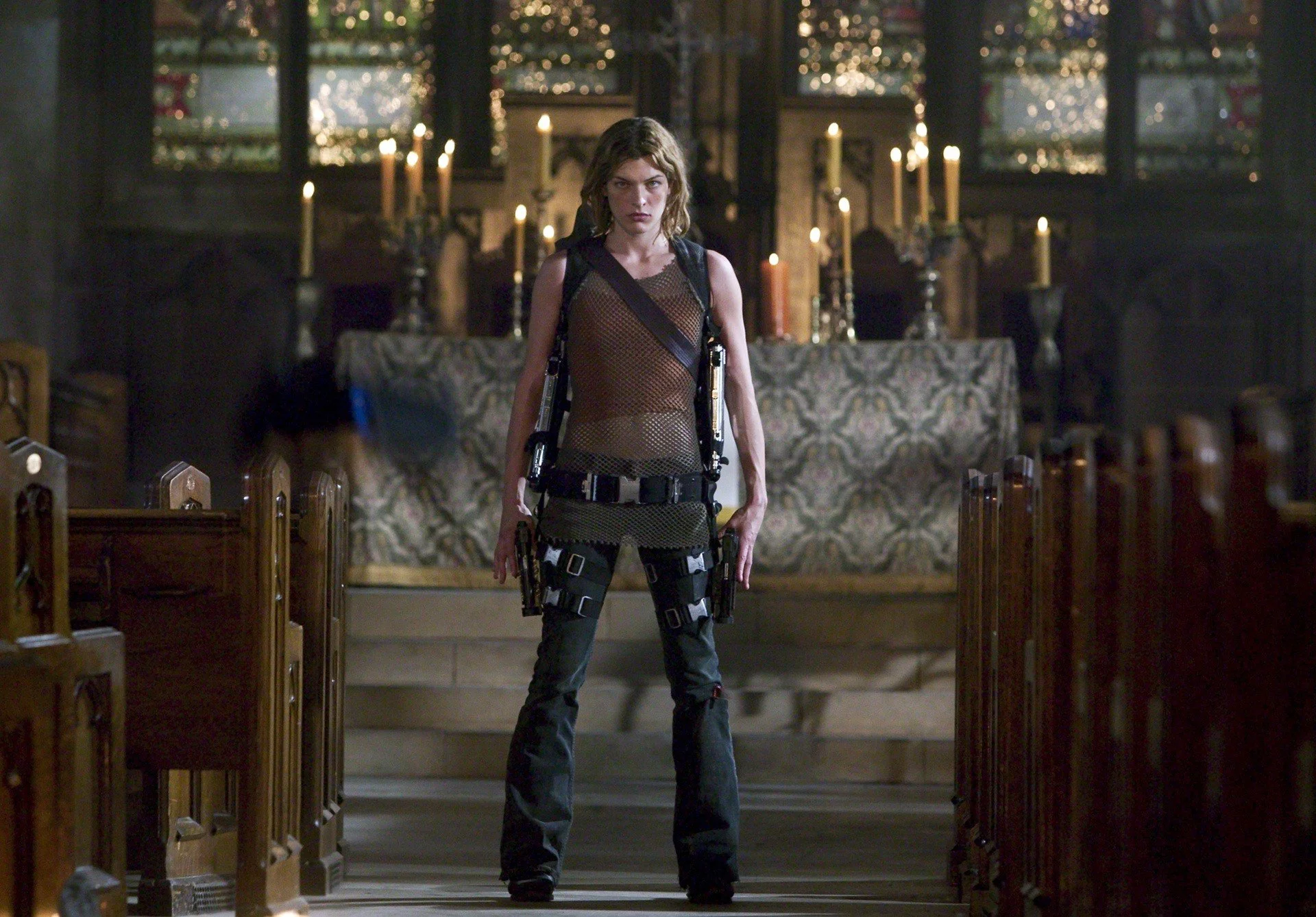
Cameron’s influence on the series extends beyond homage however and can be felt greatly through the narrative beats of Resident Evil 2 (1998). Through Claire Redfield’s campaign in Resident Evil 2, she uncovers a scared little girl called Sherry and the two grow a strong bond through the game’s story. This relationship echoes that of Ripley and Newt’s in Cameron’s Aliens (1986), complete with the two escaping a base that is rigged to blow. This game also features a stronger emphasis on creature evolution too, with Sherry’s father, William, undergoing several stages of metamorphosis, rapidly growing to a monstrous size in a short span of time à la Alien’s Xenomorph.
Despite such a storied lineage of cinematic influence and homage, Resident Evil’s big screen outings sadly kept this a one way street. For almost as long as the franchise has existed in a playable form, it has also occupied a space on film. The first of these ventures came from Paul W. S. Anderson in 2002, starting a franchise that essentially existed separately from the games (although his influence was definitely felt in the game’s fifth and sixth entries) and took increasingly little from them with each installment. The sixth and final film in this saga, Resident Evil: The Final Chapter, would mark the end of Anderson’s contributions to Resident Evil in 2017. Since then the series has seen only one new cinematic entry, with Welcome to Raccoon City (2021) trying and failing to reboot it by sticking closer to the games.
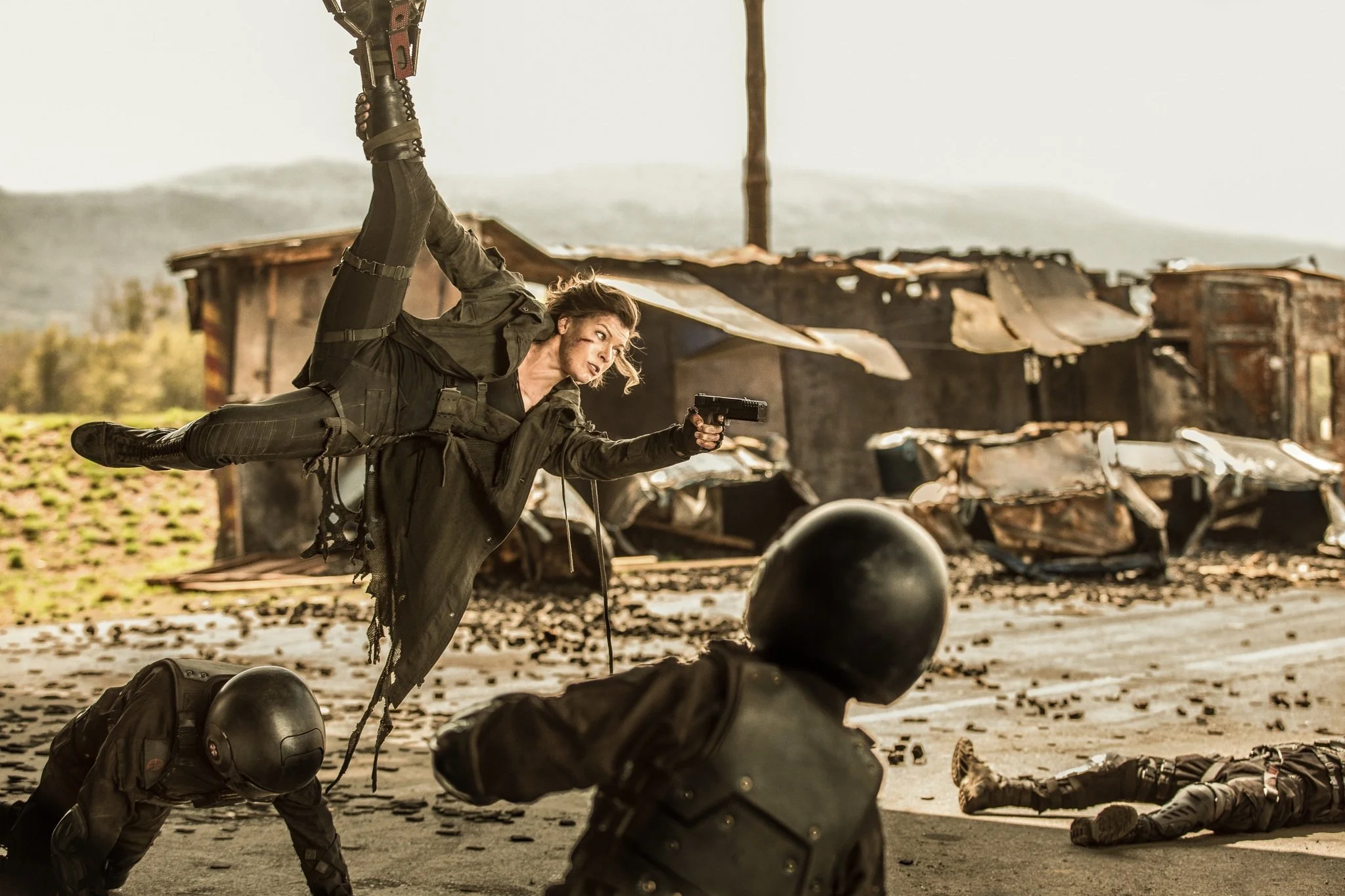
Resident Evil’s cinematic adaptations aren’t an outlier in this area, as translating video games to film has proved a hard nut to crack over the last 30 years. Derided by film critics for their poor writing and lackluster filmmaking, while being lambasted by gamers for their failures to accurately realize the source material. The trickiness in adapting that which is played, rather than that which is told, is a problem that film keeps running into. A problem which Zach Cregger’s upcoming Resident Evil (2026) may have the solution to.
Broadly speaking, video games haven’t lent much of their specific medium's language to film in quite the same way as film has to games. This, however, is where the intentions of Cregger’s Resident Evil have piqued my interest. There has been much discussion from Cregger on his goal to emulate the feeling of playing Resident Evil, rather than to simply adapt the story of Resident Evil and in that goal, we might finally be seeing the beginnings of film’s adoption of the language of video games.
Frantically searching for supplies as an imminent threat looms, gaining stronger items as the journey progresses, misfiring a crucial shot that forces you to take an alternative route. Cregger has spoken at great length about these specifically ludic qualities, with concern shown towards the protagonist's ammo count and available resources, issues that a person playing Resident Evil will always have at the forefront of their mind. Most video game adaptations see the gameplay as an element that must be overcome and brushed aside in order to succeed on screen, but Cregger’s keen focus on that which makes Resident Evil so enjoyable to play and his intention to translate that aspect of the games is, I imagine, what will make Resident Evil the series’ greatest cinematic outing to date.
It is in these cycles of influence that Resident Evil now finds itself in a position to evolve film as film evolved games. In spite of their slavish reverence towards cinema, video games are a fundamentally different medium and one that relies on sense and tactility to immerse. They possess an improvisational quality that has often been at odds with the carefully constructed narratives of film and I, like many others, wait with bated breath to see if Zach Cregger’s venture into Raccoon City can successfully integrate its ludonarrative inspiration to cinema’s benefit.