
TV Review: "Imperfect Women" Is an Unremarkable Attempt That Fails to Break the Mold

4.5/12 ForReel Score | 1/5 Stars
Crime dramas about wealthy women with devilish secrets have become their own subgenre. They tend to be anchored a star-studded cast, in designer wardrobes, navigating the lines of friendship, betrayal, and ultimately ending in a salacious murder. Apple TV’s latest miniseries Imperfect Women fits squarely within that mold. Based on the 2020 novel of the same name by Araminta Hall and showrunner by Annie Weisman (creator of Physical and Based on a True Story). The series promises an enthralling tale of a decades long female friendship, filtered through the aftermath of a shocking murder. What it delivers however, feels far more conventional than revelatory.
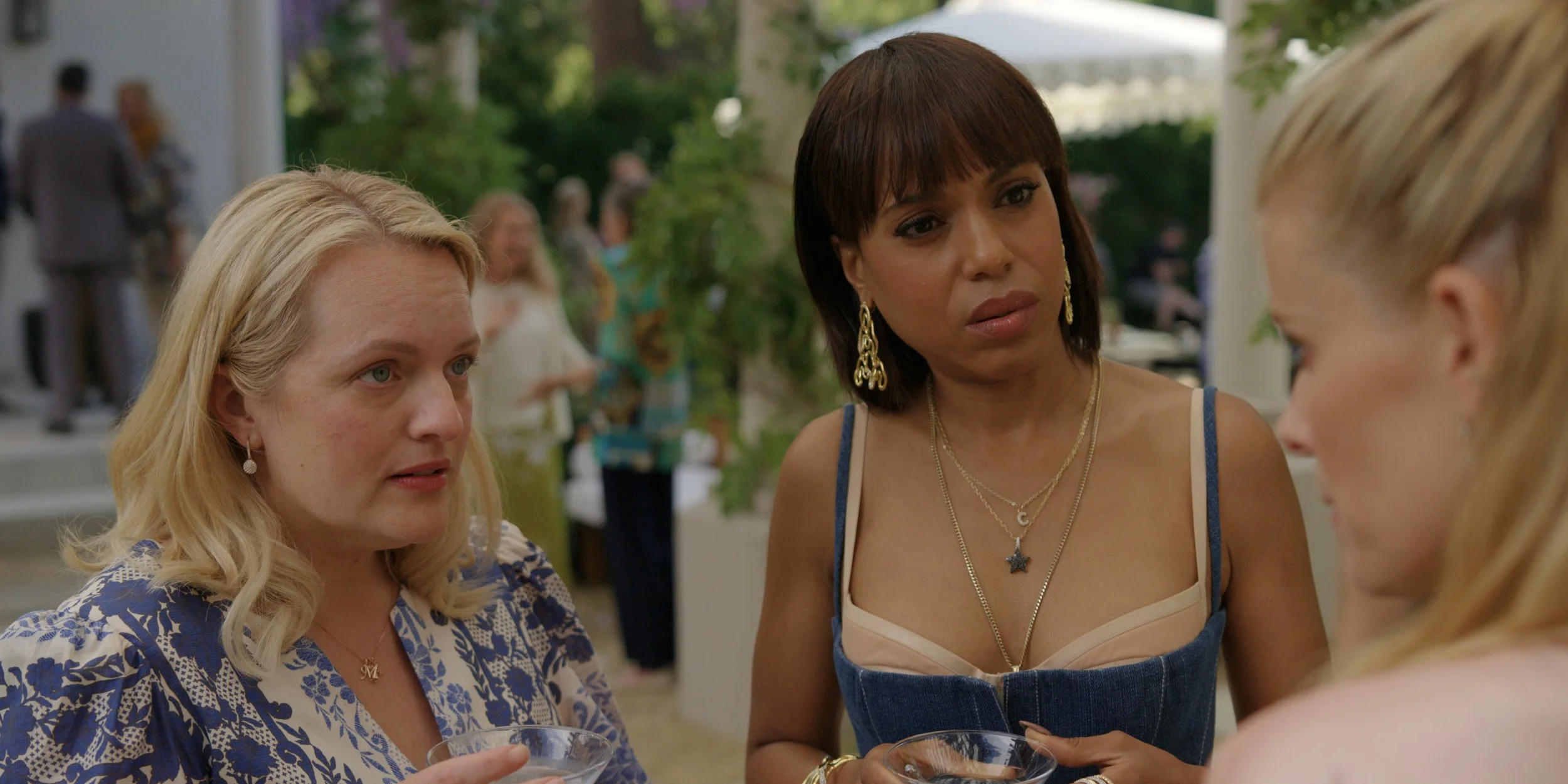
Image courtesy of AppleTV
The premise is pretty straightforward here. Following a birthday dinner among friends, Nancy (Kate Mara, House of Cards) is murdered. Now her lifelong best friends Eleanor (Kerry Washington, Scandal) and Mary (Elisabeth Moss, Mad Men) are forced to confront the possibility that they never truly knew their friend. We’re made to believe these women share an essential, unbreakable bond for the past 25 years. Forged in college and tested by marriages, children, and affairs, yet their interactions rarely convey that history. They don’t feel like intimate besties. Their relationship reads more like a friendship forced together due to a shared history.
Structurally, the show divides itself into three sections, each centered on one of the women. The first three episodes focus almost exclusively on Eleanor’s grief over her problematic loyalty to her late friend. It’s an odd choice. Too much time is spent revolving around Eleanor’s complicated life and career at a vaguely defined family-funded foundation, rather than focusing on the very character whose absence is meant to drive the drama. Instead of deepening the mystery, the fragmented approach makes it difficult to invest. Dropping the first three episodes at once feels like an attempt to gloss over this monotonous introduction. Get it out of the way so by week two the viewer can get right into Nancy’s backstory. There’s interesting elements here, but the series struggles to make note of any of them. Eleanor is driven by helping others yet her personal morality is in murky waters. Mary, once an intellectual scholar, feels diminished by the monotony of domestic life and the chore of having to mother her husband as well. Nancy, the seemingly perfect homemaker, grew up poor and clings to her wealth as both her shield and identity. Rather than excavating these tensions, Imperfect Women barley cracks the surface. It often presents these issues as talking points in a glossy pitch deck, gesturing as to say something profound without ever truly pushing a boundary.
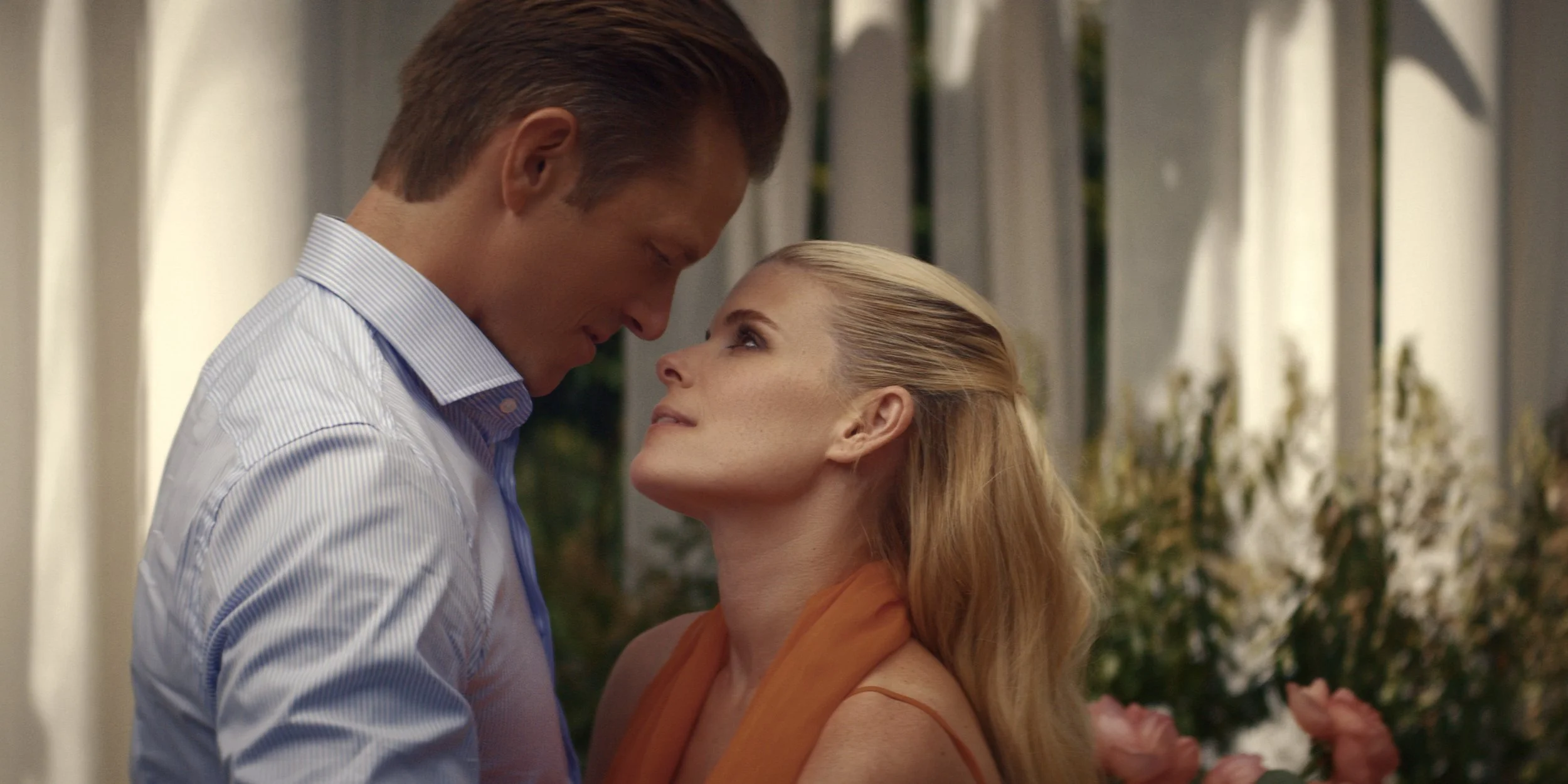
Image courtesy of AppleTV
The series is good on a technical level. The score is more entrancing than most crime dramas and visually it doesn’t have fall victim to that flat washed out look. That’s the nice thing about Apple, they have the resources to make even their dullest content looks fantastic. Characters are constantly throwing out lines of dialogue that are clearly meant to sound sophisticated and poetic, but instead come across as rather ridiculous. “Love fills you up, infatuation depletes you.” “Anger isn’t the opposite of love. Sometimes it’s the truest expression of it.” “Have more than you show, say less than you know.” They’re lucky Kerry Washington has the skill to deliver nonsense with such convection that I’m almost persuaded into believing it. She’s truly the only thing that got me through until the finale. The rest of the cast appears to be sleep walking as they move through an array of pointless conversations that give the illusion of moving the story forward, but ultimately accomplish nothing.
These type of dramas with ultra-wealthy characters have always fascinated me. They present a carefully curated fantasy of how rich people supposedly spend their days; barely working, lounging in upscale restaurants, speaking in hushed, meaningful tones about problems of their own making. Their lives appear so insulated and mind numbingly dull they manufacture danger just to feel something. Entire scenarios revolve around drama that people in their position should, in theory, be insulated from. The settings are almost interchangeable, tending to be a cocktail party where guests cluster around tiny standing tables, sipping wine from tall champagne flutes. The backdrop is nearly always an immaculate suburb somewhere in California. Sleek cars line the driveways of sprawling homes, yet the streets are eerily empty. Never a child out playing in the street nor neighbor walking their dog. A manicured neighborhood of dollhouses. It makes me wonder who these shows are really for. My best guess is they’re aimed at viewers who recognize the so-called American dream as a polished illusion, yet still indulge in the daydream of a lifestyle of effortless wealth and curated dysfunction they may never experience.
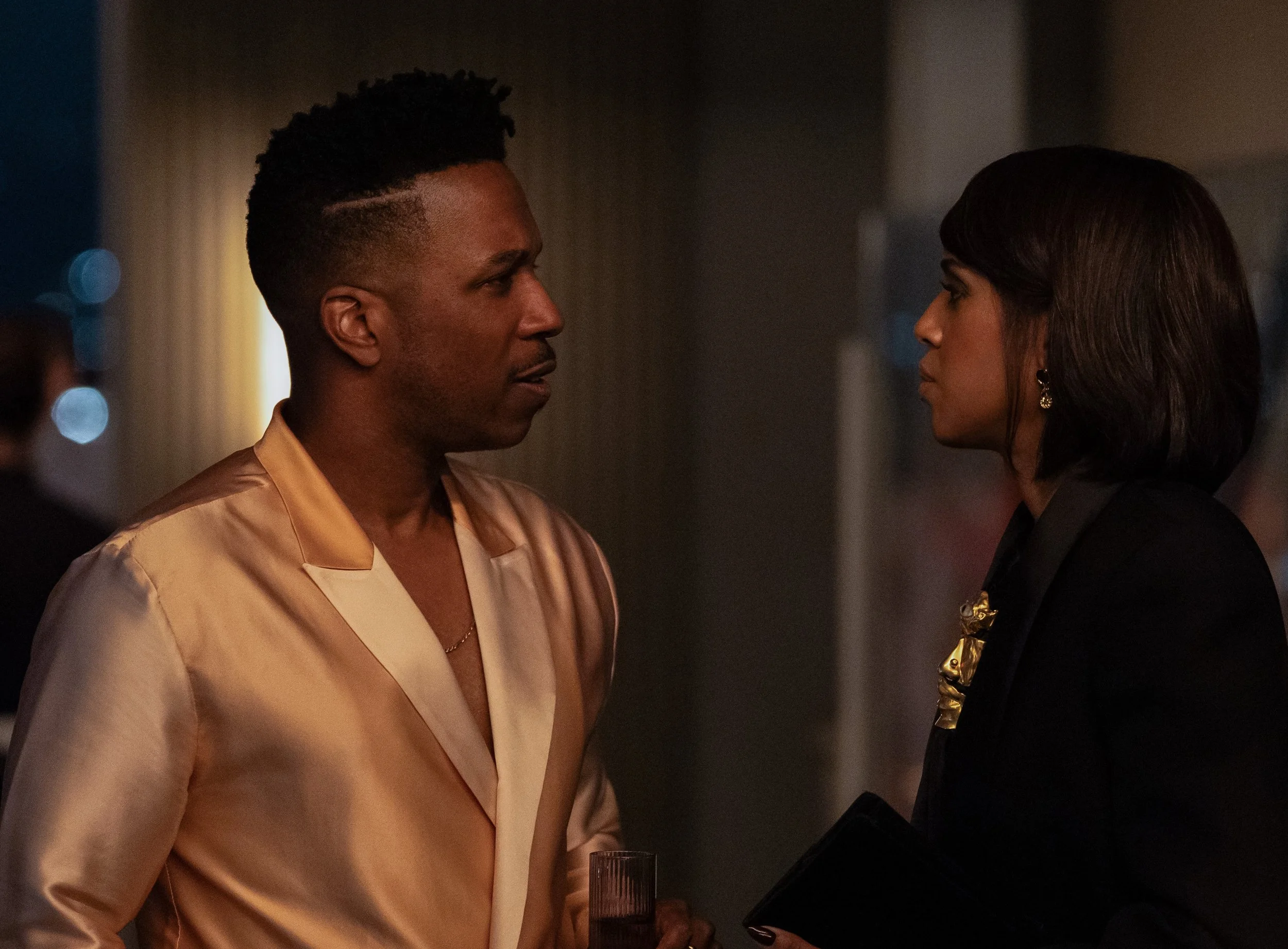
Image courtesy of AppleTV
We didn’t know it at the time, but Big Little Lies opened up Pandora’s Box. I wouldn’t say it ruined television, but it undeniably changed the landscape and ushered in the era of the “elevated” limited series. Which are more often than not already based on a best selling booking. At first, it was genuinely exciting. Filmmakers were finally securing funding for ambitious, experimental dramas that studios had little interest in releasing theatrically. Major movie stars, many of whom had been vehemently against ever doing tv, were now leading these projects and racking up awards for it. It felt like a creative breakthrough. Then networks decided to try and replicate the formula over and over again, often without the visual ambition or stylistic integrity that made the early entries feel elevated in the first place. Now, all these miniseries seem to blur together - that’s if you remember watching them in the first place. Dragging out a book that would have worked as 140-minute film into an eight episode slog that takes over half a year to shoot for some reason. It’s getting to the point where some of these glossy, star-driven productions feel less like artistic endeavors and more like strategic tax write offs for studios and easy paydays for actors. The source material has grown thinner as well.
From the pages of the most baseline book with the same formulaic beats of secrets, infidelity, and fear of a husband with an unsuspecting temper. Much like the one bartender’s fractal tattoo, audiences are stuck in a never ending spiral of “high prestige limited series” that ultimately have very little to offer. Imperfect Women is sadly no different.
Acting and Casting - 1 | Visual Effects and Editing - 1.5 | Story and Message - 0 | Entertainment Value - 0 | Music Score and Soundtrack - 2 | Reviewer's Preference - 0 | What does this mean?