
BFI LFF 2026 | Movie Review: Raw Footage Reveals Harsh Reality In "Amazomania"

12/12 ForReel Score | 5/5 Stars
Across the globe, there are thought to be somewhere in the region of 200 uncontacted tribes, defined by EBSCO as ‘indigenous groups that have little or no sustained contact with the outside world’. The majority of said tribes reside in the Amazon Rainforest, and for a brief period of time, various explorers worldwide endeavoured to make it their life’s work to find said tribes, to enlighten the people, to bridge the gap between old civilisation and new. Under contemporary scrutiny, it is now understood that making contact is harmful for both the finder and the found; Amazomania, one of this year's London Film Festival documentary offerings, tracks that realisation over a number of decades. It revisits one such expedition and traces the consequences of a fateful collision of worlds, examining what remains once the encounter has seemingly concluded.
Amazomania is built entirely of raw footage; there are no interviews to piece the story together, and no narration to guide us. We are purely observers of the recordings that exist, the vast majority of which have lay dormant for decades, only uncovered now by the documentary’s director, Nathan Grossman.
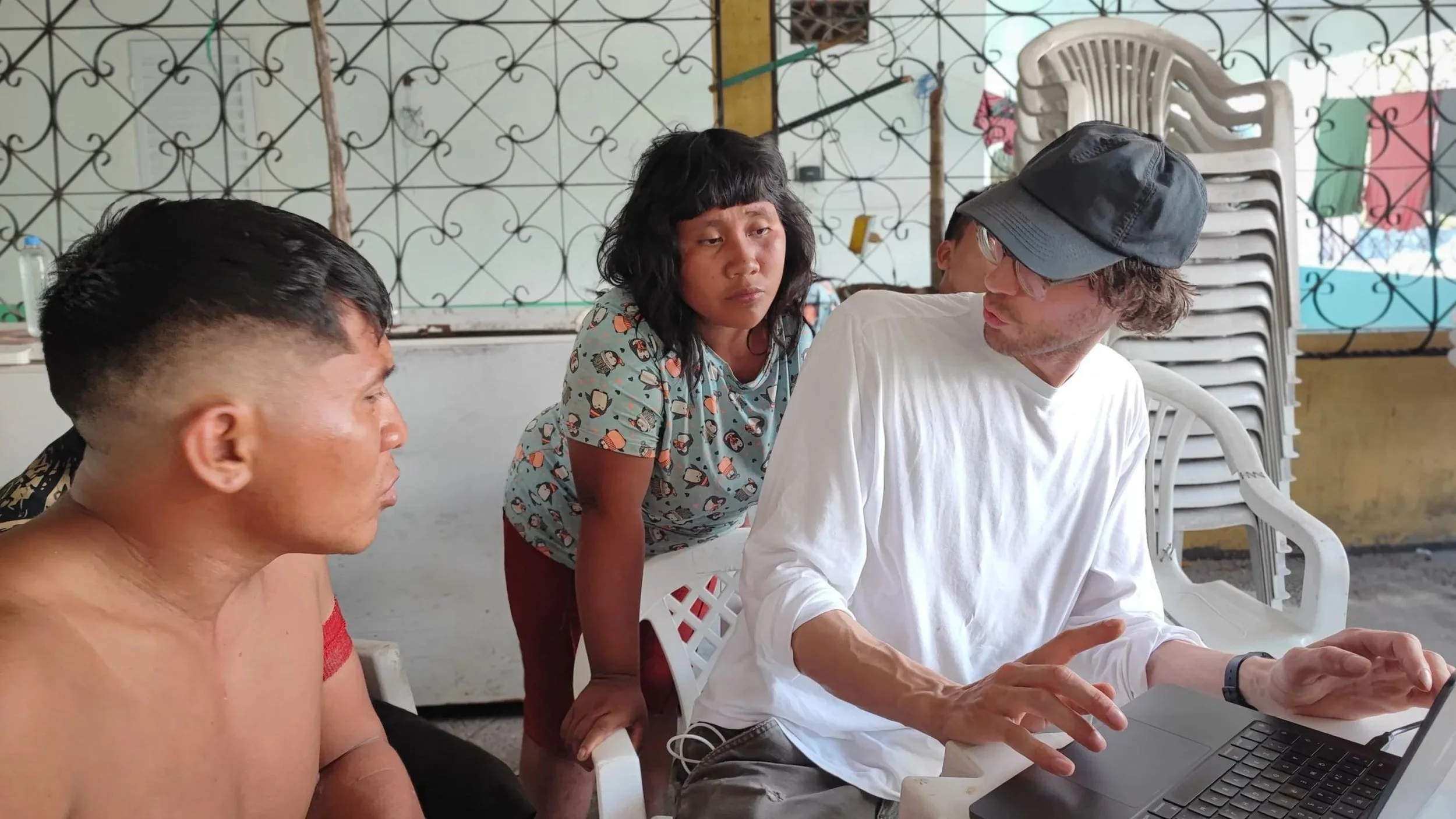
There are three main parts to the film. In the first part, we find ourselves in 1996 with Swedish journalist Erling Söderström on an expedition to establish peaceful contact with the Korubo people of the Amazon. We then fast-forward to the early-noughties, where we see Söderström on the promotional trail for the film that he has put together from the footage obtained on said trip. Finally, we find ourselves in the present day, with Söderström preparing for a final trip to the Korubo tribe before he retires; he expects a warm welcome for having introduced the tribe to the modern world and for having told their story; he receives no such welcome.
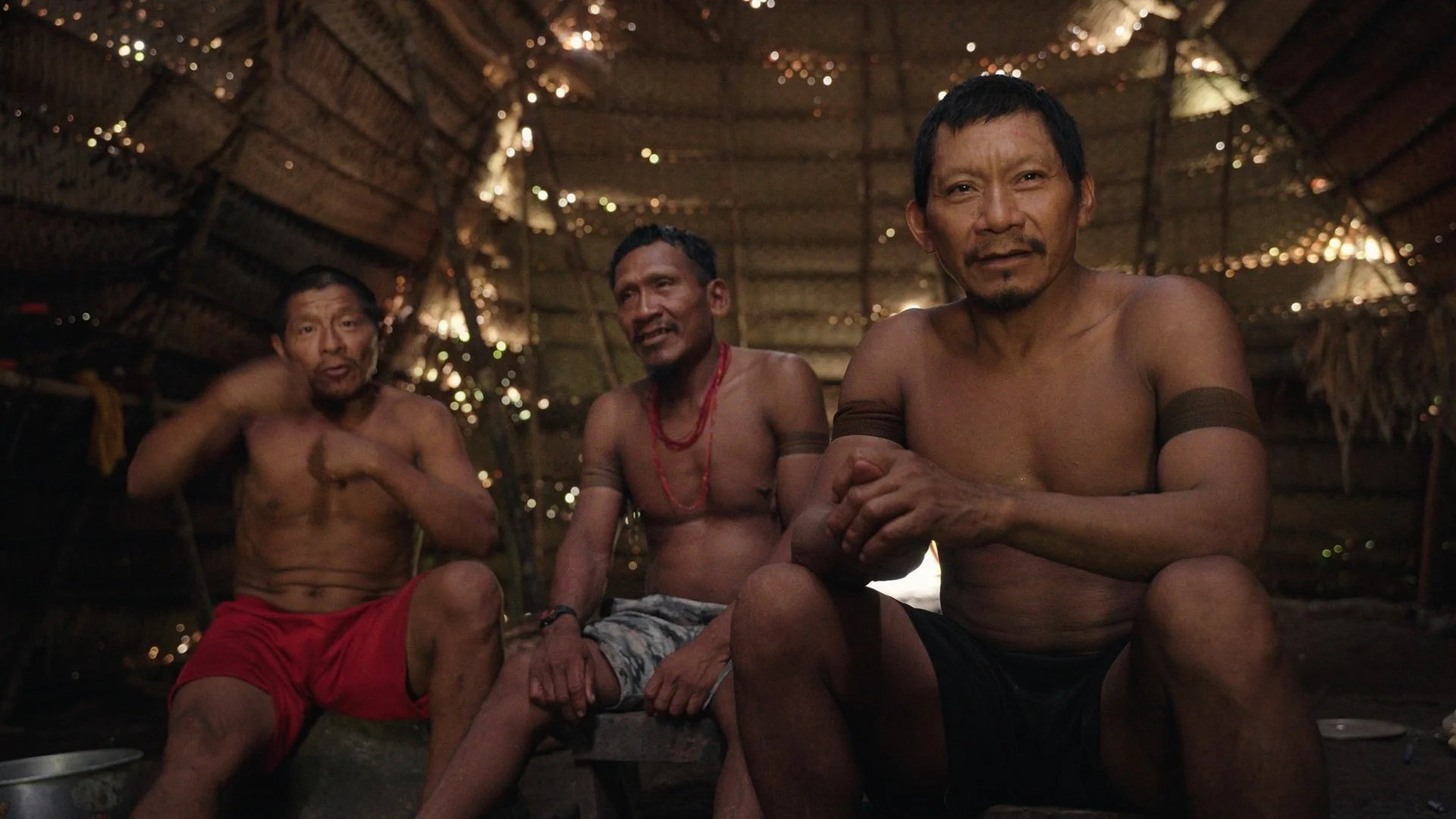
The tone mutates as we move through the three chapters. There’s a fizzing excitement as we watch the footage of first contact unfold in the first act, astonishment and delirium felt by both parties; this is the closest the vast majority of us will ever get to witnessing such a meeting. We move forward through time, and one can empathise with why Söderström felt compelled to share his footage with the world. The present day: Söderström returns to the village to find a community transformed, their buildings now laced with solar panels and their bodies with football shirts. But the faces he plastered across the world thirty years ago would like reparations. Uncomfortable conversations ensue. What began as an act of documentation has become a reckoning with the consequences of being documented.
There’s a scene in the third act which is amongst the most fascinating ever committed to documentary film. After expecting a hero’s return, Söderström finds himself negotiating with the head tribesman of the Korubo people. The full weight of his involvement in their exploitation begins to surface, along with the uncomfortable realisation that he has helped set these events in motion. What follows is a mesmerising ten-minute conversation, unhurried and deeply uncomfortable, which places the viewer directly at the scene of the crime. We are left to sit with the consequences of what we have witnessed, recognising that our own fascination with the footage has made us complicit in its circulation.
Amazomania leaves us grappling with difficult questions about the ethics of making contact with uncontacted peoples, and the responsibility that comes with documenting their lives. It casts a critical eye over documentary filmmaking itself, probing the meaning of consent and the question of reparations while asking us to consider how easily the telling of another person’s story can slip into exploitation, even when the original intentions appear noble. Amazomania is electrifying viewing, an unsettling and powerful reminder that the camera can wound just as much as it reveals.