
Movie Review: "A Sad and Beautiful World” Wonderfully Balances True Love With Deep Incompatibility

11/12 ForReel Score | 4.5/5 Stars
You can’t force yourself to have a perfect relationship with who you love. Things are going to be messy and hard no matter how hard you try because change is inevitable. These feelings will rip and tear at you until your own personal wants end up battling your unbreakable devotion to your relationship. Director Cyril Aris uses a heartbreakingly crushed country as the backdrop for a nuanced love story that spans three decades in the lives of Nino (Hasan Akil) and Yasmina (Mounia Akl), two people born a minute apart on the same day in Lebanon.
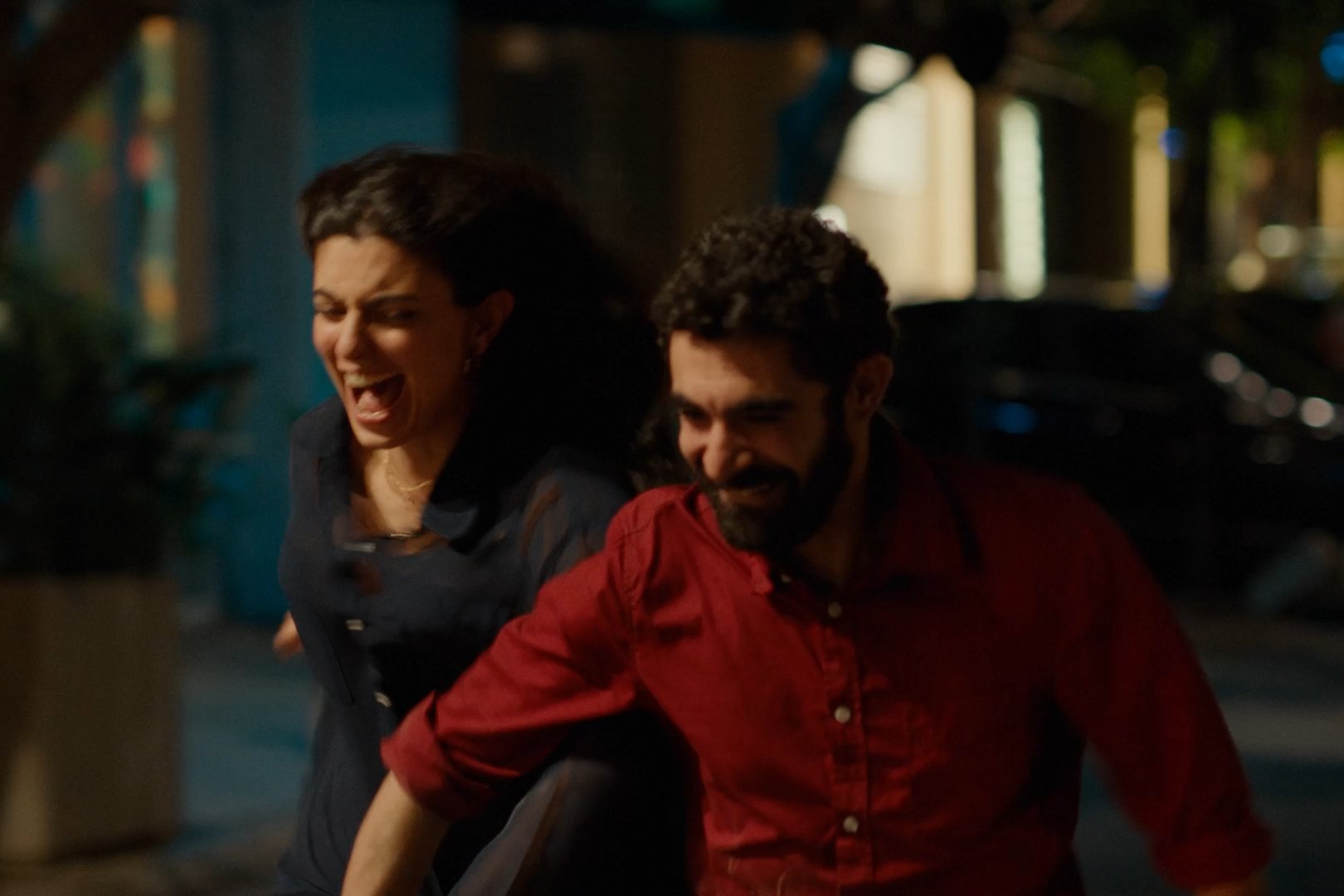
Yasmina is a practical and realistic woman that has her eyes set past the horizon, trying to find a way out of the harsh world she finds herself in as well as her complicated relationship to it. Nino, on the other hand, is a man who tries to make the best of the world in front of him, often finding himself crumbling beneath the weight of it. They suffer from finding and loving each other constantly through life at the right times only to find themselves stuck in a grounded, harsh reality.
Nino runs his family’s restaurant in Beirut, Yasmina is an economic consultant drafting plans for the Lebanese government. Although the two meet each other very young and develop a strong connection almost instantly, life quickly finds a way to separate them. They find each other again later down the line when Nino, completely by chance, crashes his car right into the office of Yasmina’s mother. From here, they stay in each other’s lives to the best of their abilities. Yasmina finds herself wanting to leave. She is realistic and doesn’t like the idea of lying to herself about what her home could be. She instead sees it for what it is. Nino almost refuses to acknowledge the state of things. He tries his best to reinvent the wheel in a sense with his worldly twists on Lebanese cuisine and stays a hopeful individual while thinking that nothing is too terrible to work through without hope.
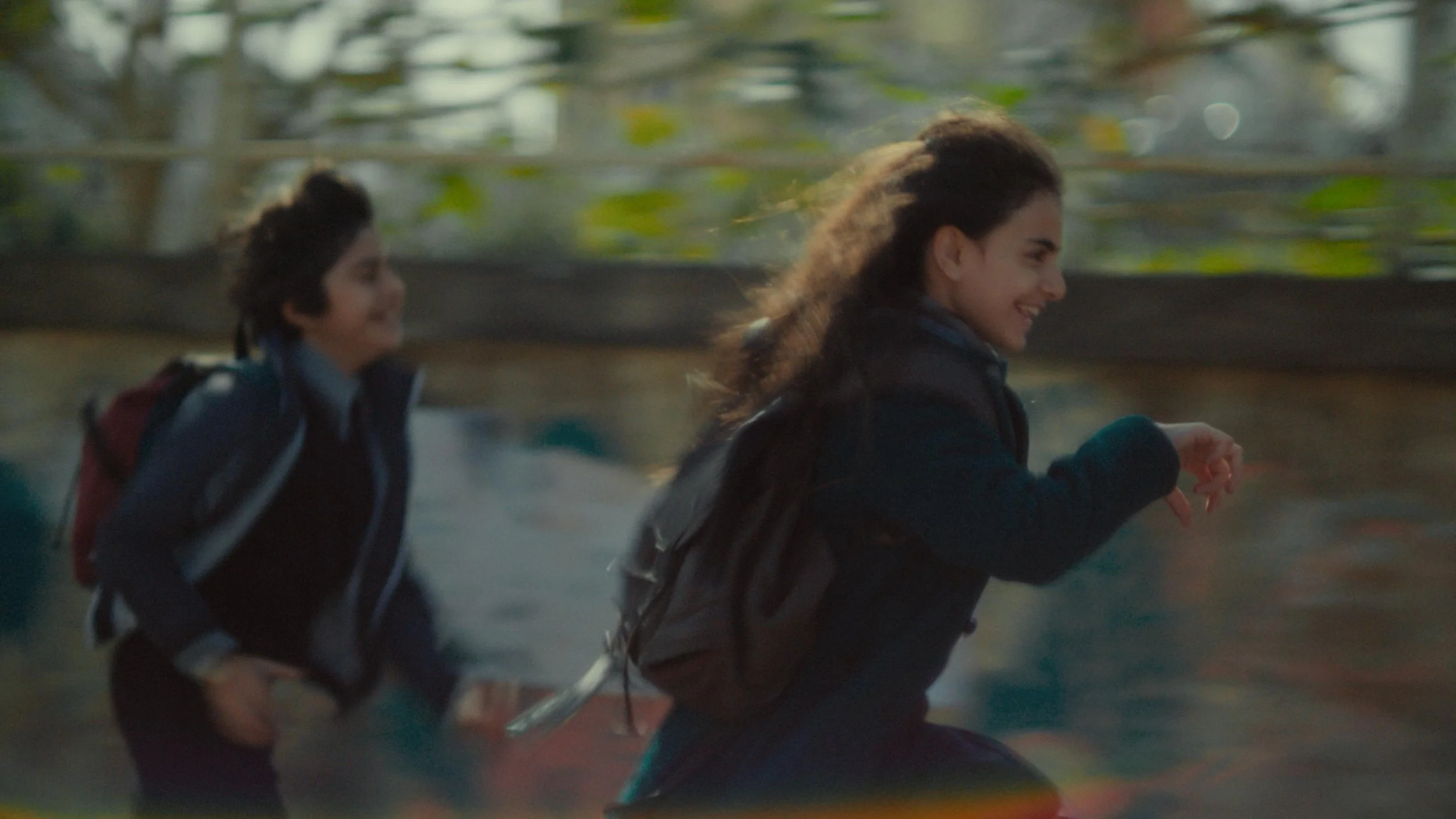
Both points of view are given depth and are examined with care with no apparent right answer emerging. That’s partially what makes the film so special. It maturely acknowledges that Yasmina and Nino both love each other and are spiritually tied to one another, but that doesn’t mean they must constantly agree with one another and see eye to eye. Their worldviews aren’t easily shifted by one another as other, lesser romantic dramas may insinuate is possible and preferred. This works especially when you place the two in as polarizing a location as a modern Lebanon, a country riddled with destruction and loss.
I’m from a Lebanese family. I know parts of Beirut like the back of my hand. Seeing this film’s depiction of the city was both nostalgic and heartbreaking. It’s a beautiful place to be that’s so easy to love, and it’s demoralizing to see it crumble. Having lived through the constant power outages and fear of political struggle firsthand, it’s easy to understand Yasmina’s perspective. It’s not feasible to live a life there or to start a family, and you shouldn’t kid yourself. Aris then wonderfully counteracts this with Nino’s also understandable view that it’s a place with a beauty to it, and your own relationship with it can be what defines it. These two core ideas are woven together into this singular main theme that you can love something or someone that just isn’t compatible with you, as heartbreaking as that is.
This can also be what ends up holding the film back slightly. The film goes through three different parts of Nino and Yasmina’s lives. We see them as children, young adults, and mature adults. While the memories of them as children are tactfully placed throughout the movie, the jump between them as starry-eyed young lovers to them older in life is bound to make you feel like you missed an important piece of the puzzle. I think the stark pivot was likely intended, it just falls short in servicing the film overall. It’s a strong testament to nothing truly being easy for the two leads, but it doesn’t let itself sit in its own created moments.
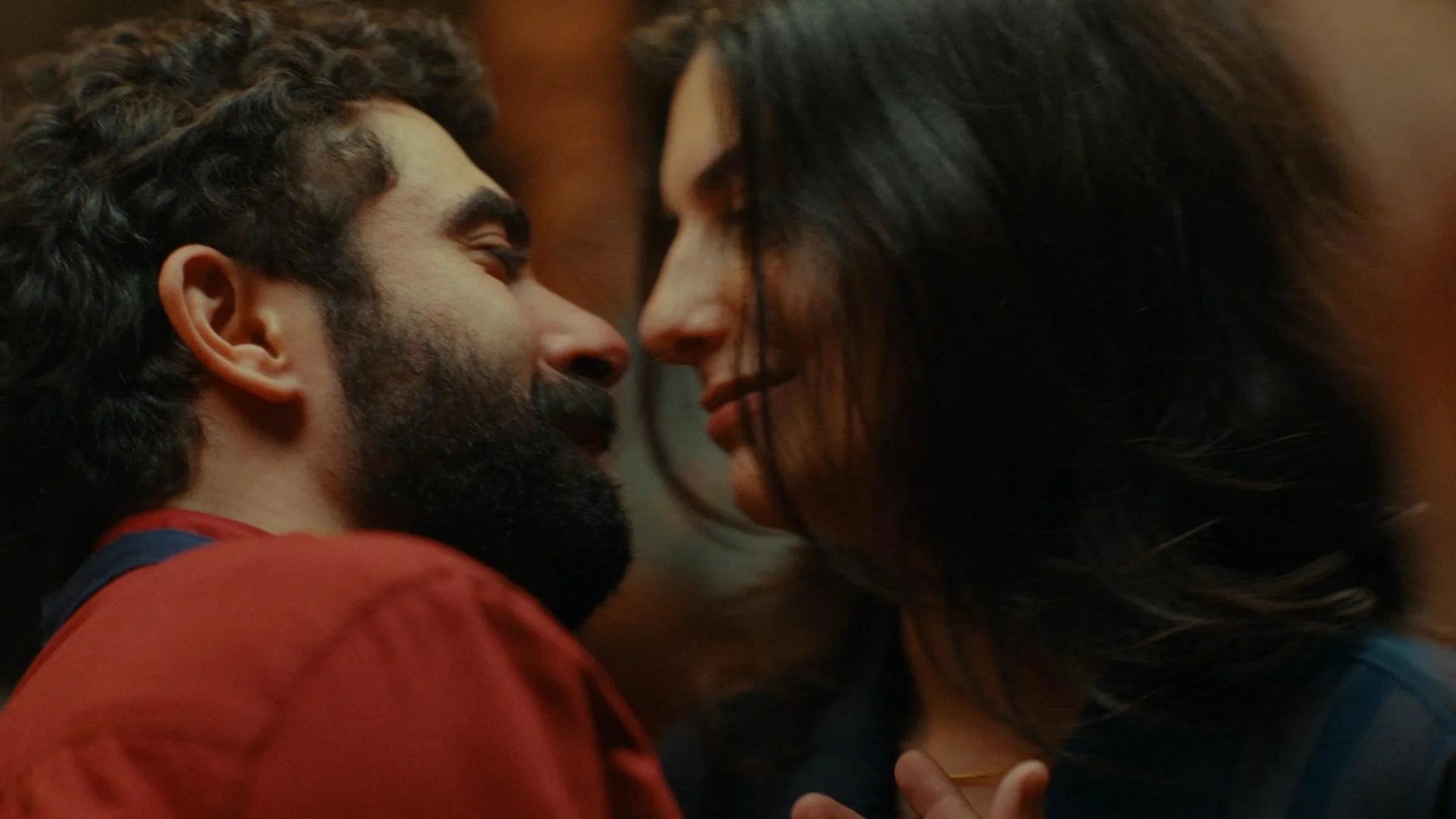
Mounia Akl and Hasan Akil share such a powerful chemistry that it’s rare a scene between them doesn’t pull at your heart. The two are a pair of incredibly thoughtful actors that bring the entire thing to life. There’s a scene with the two conversing through a keyhole with only their eyes in view, and it’s incredible how much subtext and emotion each of them manage to convey with nothing but the few facial muscles you can even see. Casting director Rita Gerges deserves a round of applause for putting these two together. It shocked me how small of a crew this production had to work with. The combined efforts of cinematographer Joe Saade, art director Salwa Rahme, and production designer Hanady Medlej brought new life to Lebanon. They contrast its warm, vibrant, and exciting beauty with its dim, gray, and pragmatic lows. They gracefully mark the film’s passage of time through the look and feel of the world around Yasmina and Nino, and that really helps in immersing the audience in their memories scattered through the film.
A Sad and Beautiful World is not just this three-decade-spanning cosmic love story between two people, but also a love story between the people of Lebanon and what they’ve lost. It tells us how they’ve had to endure in a never-ending cycle, and they’ve had to choose to break that cycle no matter how reluctant they may be. Cyril Aris crafts an honest look at these depressing thoughts that plague his country, but leaves room for hope. The film tells you that you can disagree and your life can go a different path from the paths of the people you love, but you will still have those people.