
Movie Review: "Wuthering Heights” is a Good Romance Killed By A Bad Adaptation

6/12 ForReel Score | 2.5/5 Stars
Emerald Fennell has made a career out of fantasy films. There are no hobbits or wizarding schools or dungeons and dragons, but the worlds spun from the mind of Fennell are no less fantastical than those hallmarks of the genre. And with her latest film, an eye-rollingly quotation-marked “Wuthering Heights,” Fennell has fallen even further into the depths of her own fantasy.
Wuthering Heights has always been a work of personal fantasy. When Emily Brontë wrote her landmark novel in the 1840s, she was an unmarried introvert who, by all accounts, was more than content to live with a book to her nose and a gun on her hip. Her sole novel was not a work of nonfiction, or even fiction close to home. The tale of generational romance, revenge, and reconciliation between two estates, the Earnshaws and Lintons, was as daydreamy as Heated Rivalry is realistic. And yet, despite its cruelty and abject immorality, Wuthering Heights persisted beyond the Victorian era, growing into a classic that would be adapted for the screen three dozen (and counting) times.
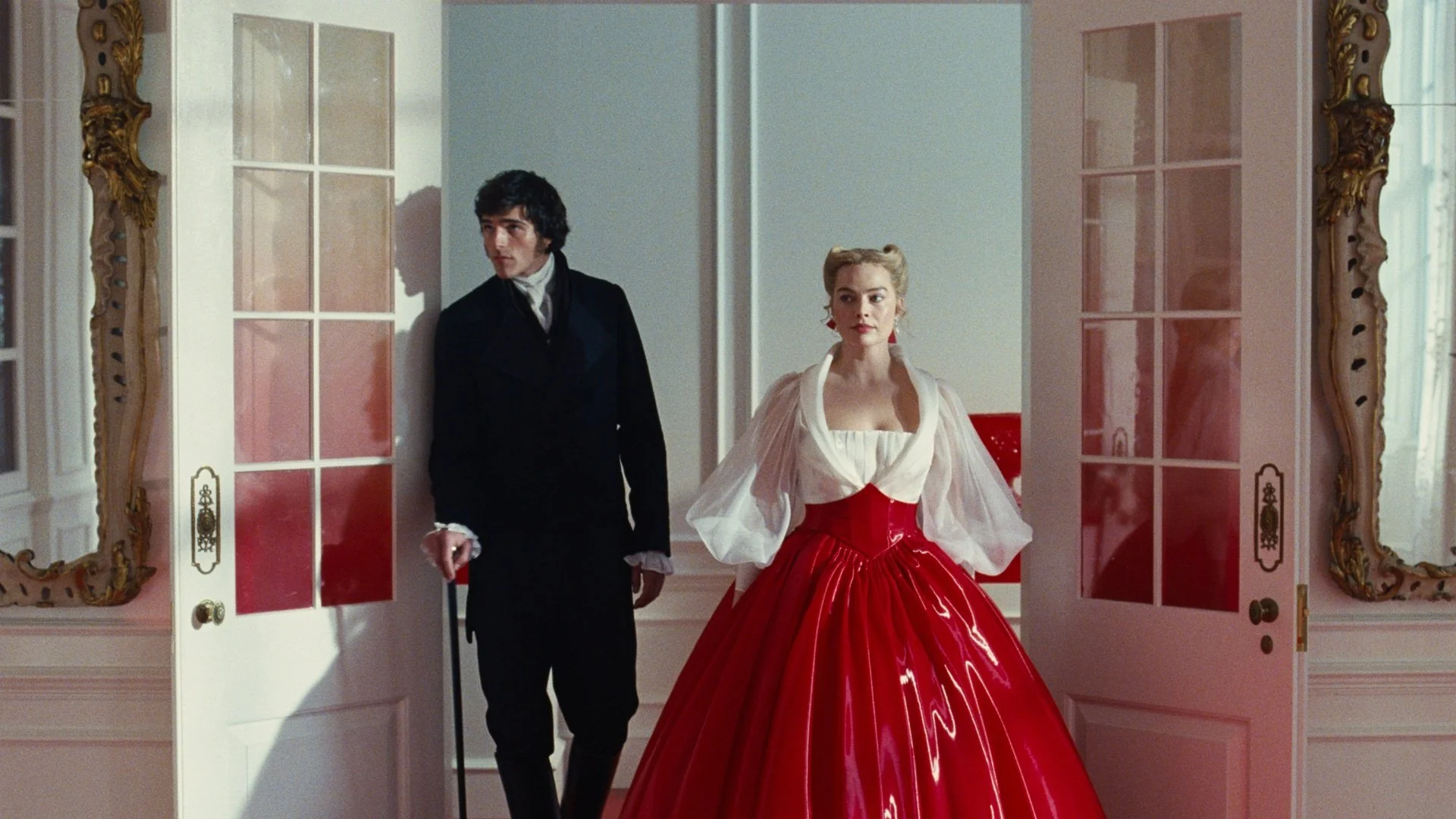
Emerald Fennell’s adaptation may be falsely inflating that count, however, for Wuthering Heights is a far cry from its source material.
Where Brontë’s Catherine is a darkhaired, wild teenager, Fennell’s Cathy is a bubbly, blonde, mid-thirties Margot Robbie. Where Brontë’s Nelly is the estates’ white and aged servant, the book’s unreliable narrator, and a consistent source of antagonism, Fennell’s is a husk of a character. She is neither a narrator nor an antagonist, yet is positioned rather suddenly as the villain at the end of the movie. It’s a disservice to Hong Chau, who portrays the two-dimensional Nelly as best she can. (Likewise, Shazad Latif is left with little to work with as Mr. Linton, now racialized in Fennell’s vision of the moors.) Where Brontë’s Earnshaw family is multifaceted, with Catherine, her father, mother, abusive brother, and nephew to boot, Fennell’s is two-fold, with Cathy on one end and on the other: every Earnshaw simultaneously folded into her father (a phenomenal Martin Clunes). Where Brontë’s Wuthering Heights uses love as a pretense to explore power dynamics, class struggle, and intergenerational trauma, Fennell uses it as foreplay for something more carnal… regular, vanilla, bodice-stays-on sex.
And then there is, of course, Heathcliff. Where Brontë’s Heathcliff is a racialized Byronic anti-hero, set on ruthlessly repaying the cruelties the Earnshaws inflicted upon his fostered childhood, including his heartbreak for Catherine, Fennell’s Heathcliff is a brooding, stunning, Jacob Elordi. There is no great vengeance, there is hardly any on-screen chemistry, there is certainly no complication of race and status.
(A note on colorblind casting in 2026: don’t. This film is, at best, a colorblind wet dream that plays into some very unfortunate stereotypes – the sexless South Asian, the manipulating East Asian servant – and, at worst, a whitewashing of one of the canon’s great protagonists and an active attempt to sabotage the racial politics and power structure of a story about racial politics and power structures.)
Wuthering Heights has always been a story about Heathcliff. But for Emerald Fennell, it’s a story about Jacob Elordi.
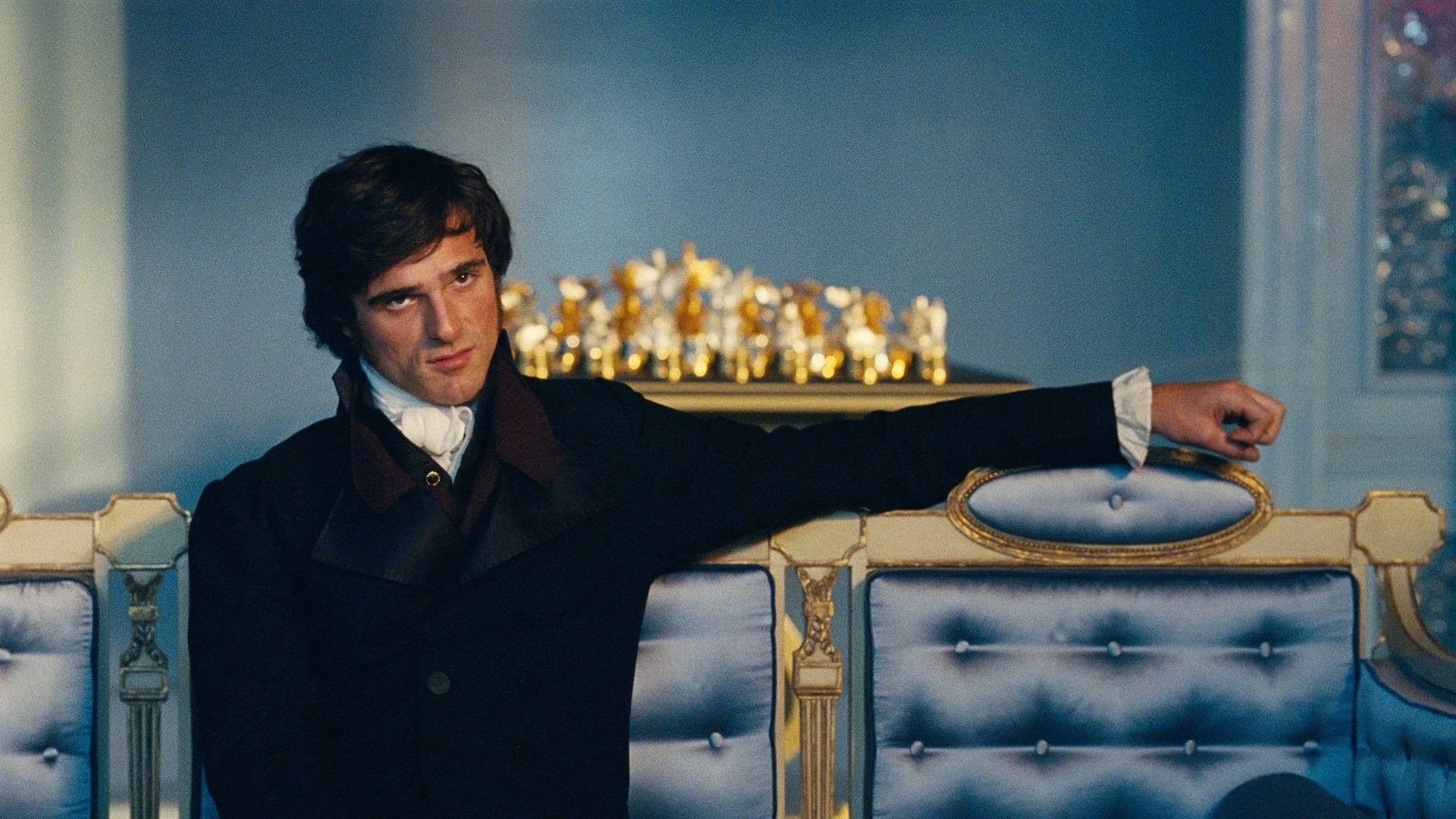
If this same film were released with a different title – let’s say, Totally Original Love Story – and different character names – say, the Ernests and the Liptons – it would be a much better movie at face value. Because, holistically, Wuthering Heights isn’t a bad movie. It’s just a horrid piece of adaptation.
From a production standpoint, this film is perfectly serviceable. Anthony Willis’ score is beautifully haunting, and Charli xcx puts together a handful of great songs for the soundtrack (although, a wailing “Oh no!” from xcx as Heathcliff has his heart broken got a big audience laugh). The costuming, makeup, and hairstyling, while only half-heartedly anachronistic, are lovely. Likewise, the set design may be the brightest spot in the film.
But for all the beauty on the moors, there is also a boredom, especially in the film’s sensuality. Despite how Emerald Fennell marketed the film – the “greatest love story ever told,” in the lineage of Crash and The Handmaiden, “sexy and nightmarish” – Wuthering Heights simply is not hot. (It’s easy to leave the film believing that Fennell may be a better writer than expectation setter, and somehow bad at both.)
Yes, Margot Robbie is exquisite and Jacob Elordi is otherworldly in his imposing beauty (it is not lost on me that if you squint at Elordi’s Heathcliff in the first half of this film, you’ll see a similitude of myself), but two sexy people do not automatically make a movie sensual. If putting someone’s fingers in your mouth is as kinky as you get, you probably shouldn’t be writing – let’s call it what it is – fanfiction.
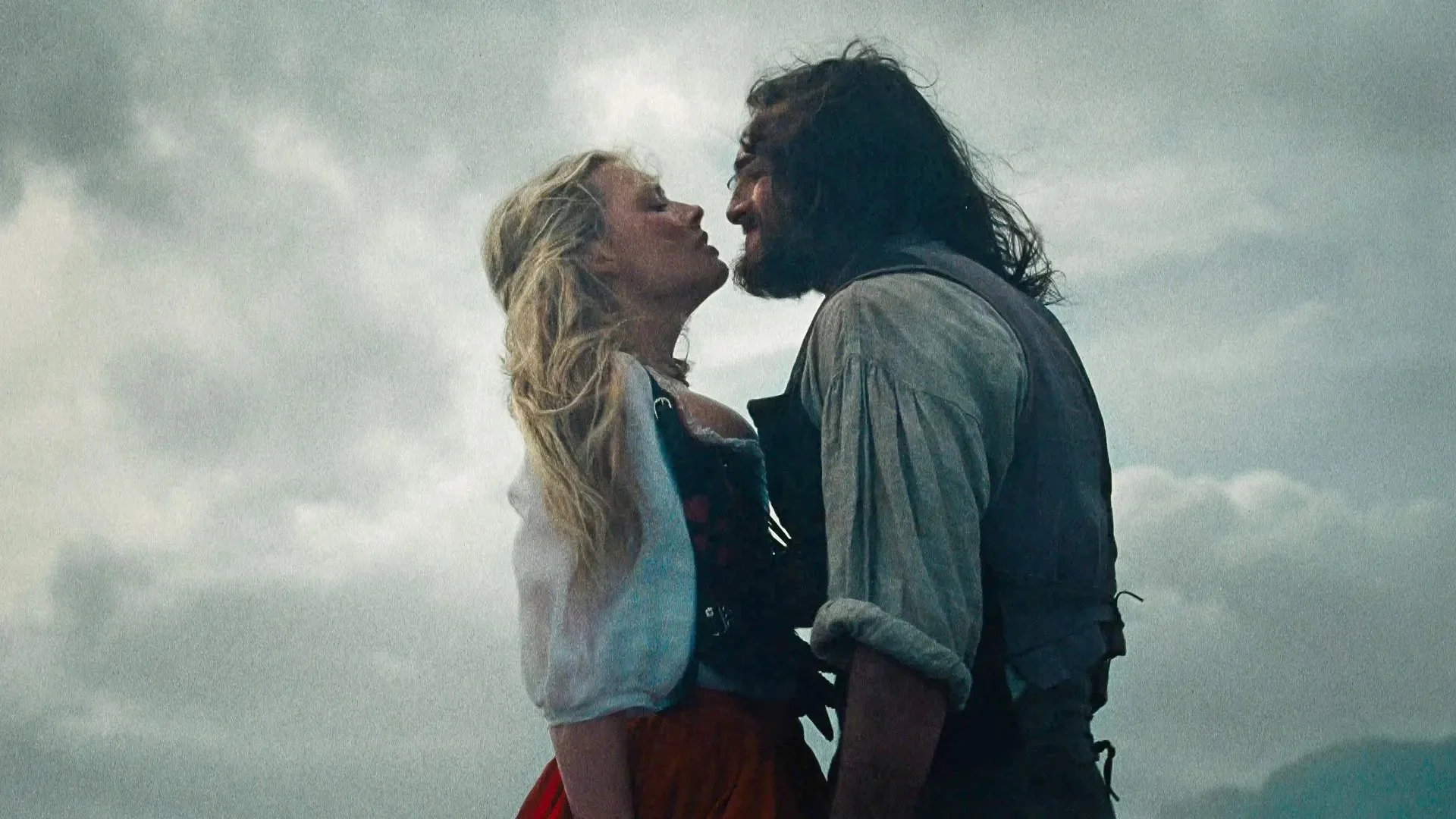
Which is a shame, for many reasons. The first is that if we’re going to get a Wuthering Heights-inspired Jacob Elordi fanfic, we really deserve something dirtier. Fanfiction, like all art, can be great. Unfortunately, that’s not the case here. Sure, it’s a treat to watch Elordi grip Margot Robbie’s corset and lift her off the ground with one hand; but there’s about as much chemistry between Robbie and Elordi in this film as there is nudity (which is to say, regrettably, none). And I don’t mean to sound crass, but this film leaves a lot to the imagination, and I have an active imagination.
The second reason is that this isn’t a terrible romance movie. If the robotic sex scenes were replaced with genuine investment into the romantic entanglement between Cathy and Heathcliff, the movie would be all the better. As it is, Elordi and Robbie are good enough actors – and Fennell a sputtering but competent enough writer – to sell the film’s emotional crescendo. I’m not ashamed to say tears were shed, and it’d be a lie to say I was the only teary-eyed viewer in my screening. But, it seems that rich character development and an exploration of said development is left to Totally Original Love Story, not whatever novel Emerald Fennell believes she is adapting.
At the point where I’m actively reimagining Fennell’s adaptation of Brontë’s sensual but sexless novel, it becomes clear that this is all a matter of fantasy. Brontë’s Heathcliff never puts Catherine’s hands in his mouth. My Heathcliff puts… nevermind. But Emerald Fennell, who has what Emily Brontë and I have never had - the power, money, and fame to visually realize her fantasy Heathcliff; well, her fantasy is just so impotent. Because if Wuthering Heights is the sexiest “adaptation” Emerald Fennell can come up with, then she should stop annotating the classics and go scroll AO3 like the rest of us.