
Retrospective: Has Ridley Scott Fallen Off?
Ahead of The Dog Stars, I revisited the master's 21st Century output
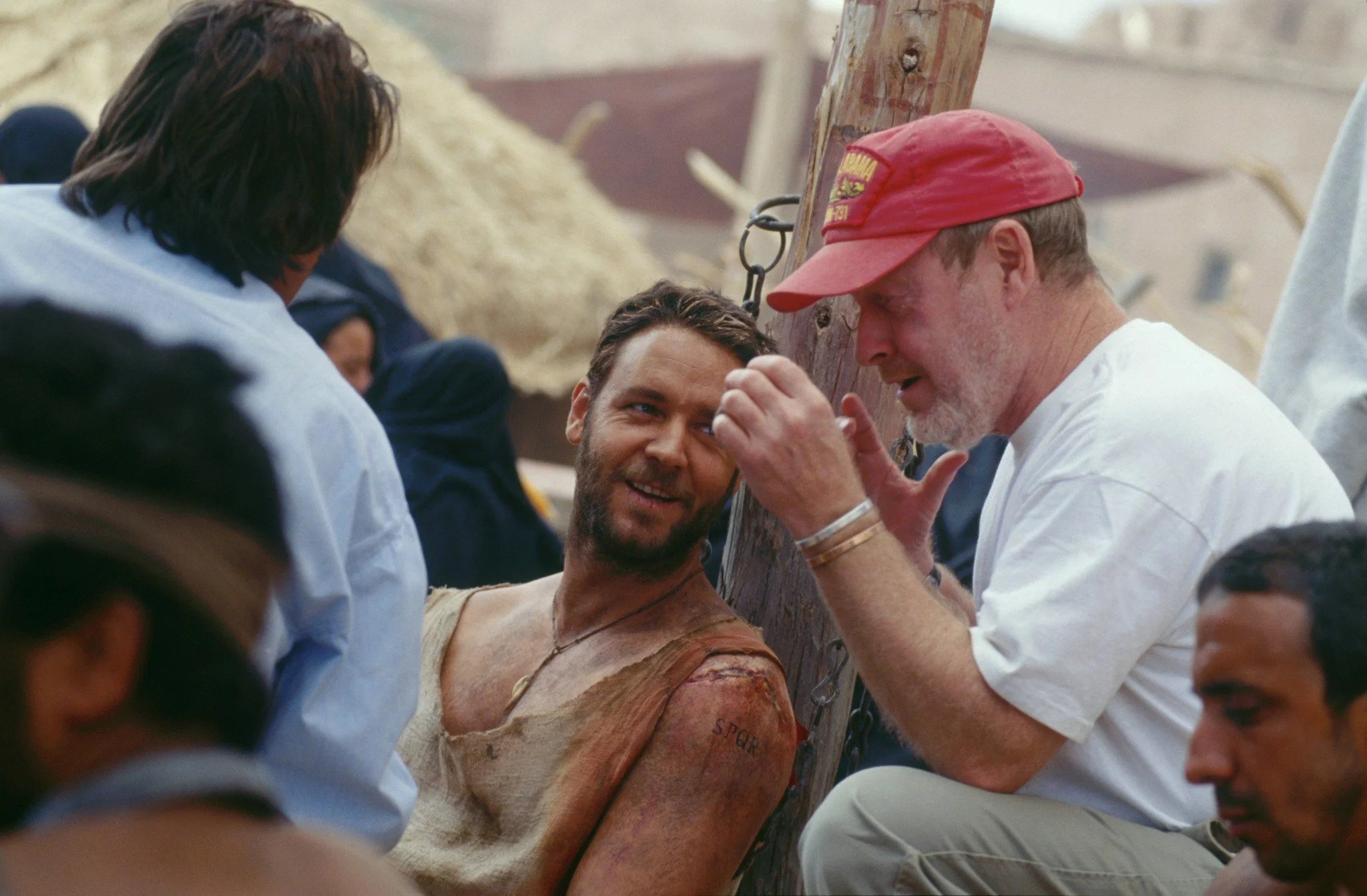
Has Ridley Scott fallen off? Not according to him, at least. The 88-year-old director recently revealed a unique habit of rewatching his own films. And not just the ones we rewatch either—he seems to love all his films equally. On many occasions Scott has vehemently defended his less-acclaimed works such as A Good Year, G.I. Jane, 1492: Conquest of Paradise, a film no one except die-hard Ridley enthusiasts have ever finished, and Someone to Watch Over Me, a film no one except said enthusiasts have even heard of.
He responded to the middling reception of his last two films with his trademark no-fucks-given attitude, which makes him an easy target for calls of retirement. Perhaps it is true, the Ridley Scott working today is not the Ridley Scott who made Alien and Blade Runner (though, in the writer’s opinion, making those two seminal masterpieces grants him a lifetime pass of making as many Napoleons as he wishes), but the occasionally interesting project will appear, highlighting the massive inconsistency of his output.
Scott produced much of his late-career work with his multi-camera approach to film-making, something he adapted from making operatic battle sequences. Using four to eight cameras at once (and doing only one take, no less) denies him the chance to pay equal attention to every shot; the focus instead becomes to complete as much coverage as possible and work things out in the editing room. The plus side of this approach is that his films come under budget and ahead of schedule, which makes him a consistent hire among studio heads. He is someone who can snap a finger and get a movie made, but is he sacrificing quality in the meantime?
This retrospective will focus on his career trajectory after Gladiator, and trace the quality of his films all the way up to the recent sequel to his Oscar-winning epic.
In 2001, the Academy awarded Gladiator the trophy for Best Picture but snubbed Scott for Best Director. The movie is nothing without him: The technicalities are obviously brilliant, but it also demonstrates the strength Scott has of directing a great performance in Russell Crowe’s iconic Maximus. He delivered an enormous crowd-pleaser despite the messy writing process that produced quite a mawkish script. The movie paved the way for not only Crowe and Scott’s many future collaborations, but for studios to trust the latter to helm war epics.
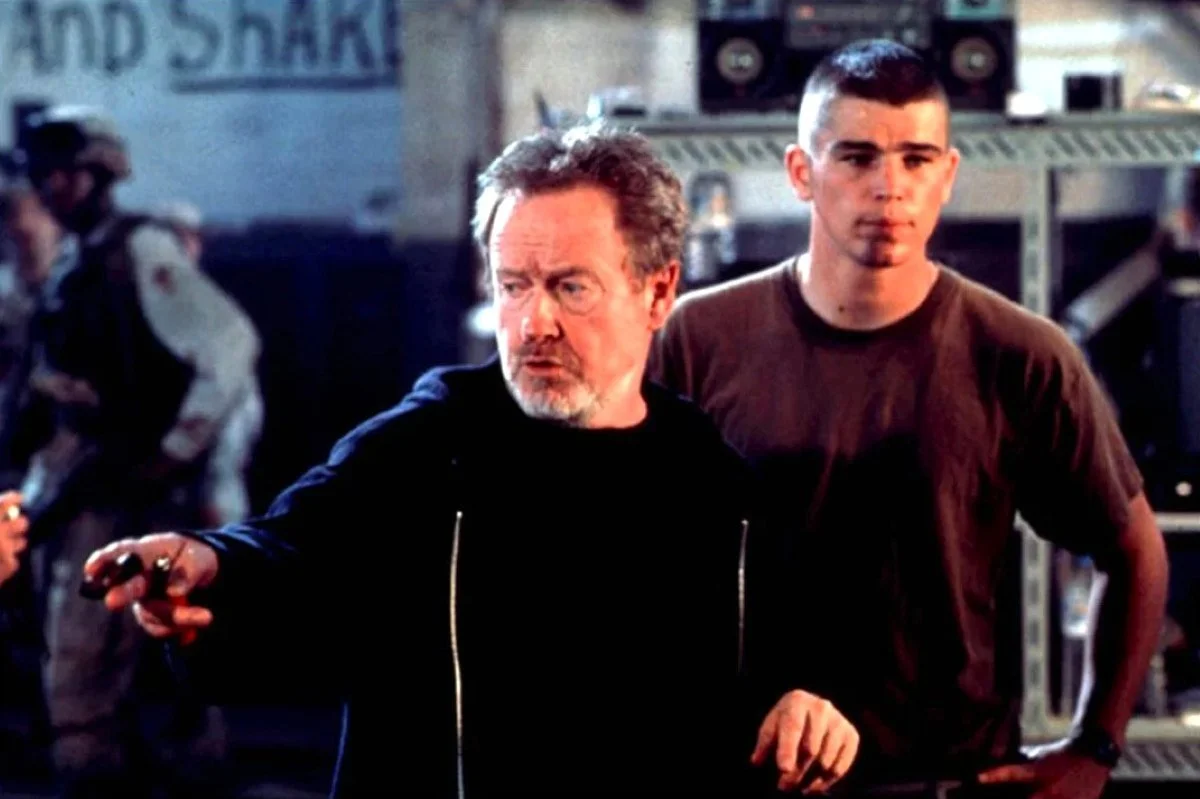
Scott did not slow down after Gladiator, and made two very different films in the same year. Hannibal, the sequel to The Silence of the Lambs, is a hired gun project, but the pulpy material makes it a getaway retreat between two enormous films. The weak spot in the film is Julianne Moore’s performance, mostly a pale imitation of Jodie Foster’s immaculate work in Jonathan Demme’s masterpiece. After that, Scott made the war thriller Black Hawk Down, which centres around the doomed mission carried by the US Delta Force to put a stop to the Somali attacks at Mogadishu. The battle scenes are some of Scott’s best visual work, but such accomplishments come with the massive footnote that is the one-dimensional politics of the material. The implication that America is a pacifier of global conflicts has surely aged like milk, and Scott is almost too good at war sequences that they become overly sensationalistic, which makes the supposedly anti-war message fall flat. The film is a turgid product of the Clinton era (which makes it such a bizarre choice for Quentin Tarantino’s favorite film of the century) , but its technical brilliance cannot be understated.
Two years later, Scott had a nice change of pace with the underrated Matchstick Men, which can be described as a neurotic version of “Paper Moon.” Nicolas Cage wonderfully plays a con man riddled with OCD and various other psychological tics, and Scott’s no-holds-barred directorial style fits well in a story that studies a profession that always needs to be on the move. The heart of the story involves Cage and his estranged daughter (a fantastic Allison Lohman). Working with brilliantly articulate dialogue by Ted and Nicolas Griffin, it is one of Scott’s most humanist movies.
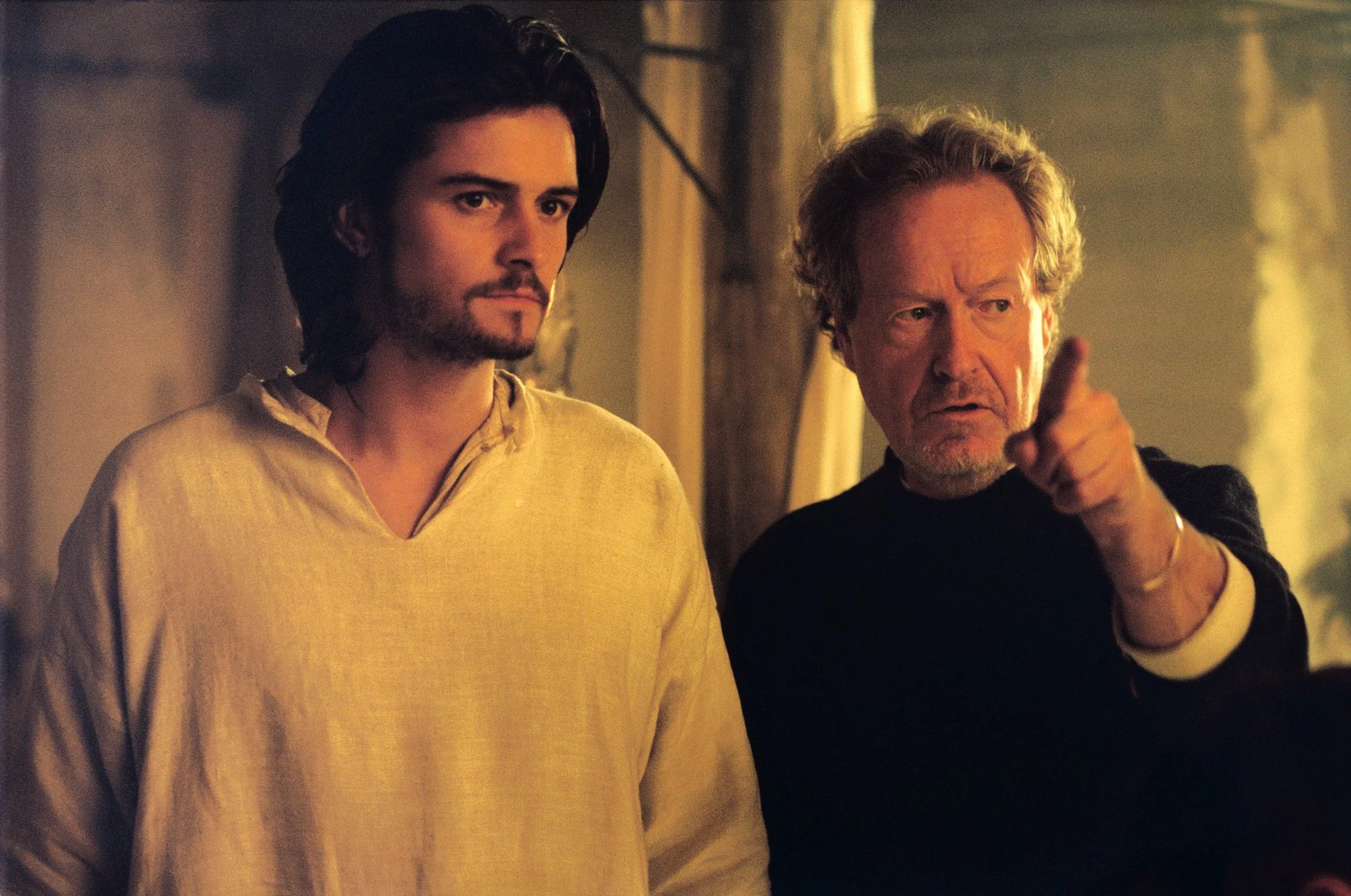
One of Scott’s most ambitious projects is 2005’s Kingdom of Heaven. It chronicles the Holy War of the Crusades with a poetic screenplay by William Monathan, which depicted the religions of Jerusalem and Islam with equal empathy. The film’s set pieces are some of Scott’s best (he later even reuses the staging of them in Gladiator II), but the movie fell victim to studio interference, which diminished it to mindless bloodshed. Commonly regarded as a misfire during its release, Scott later released an infamous director’s cut of the movie that restored graphic violence and entire storylines, one of which is the best in the film (involving Sibylla’s son). Does Kingdom of Heaven still have flaws? Yes, the most glaring of which is Orlando Bloom’s screen presence—the evocation of him as a leader of resistance is unconvincing. But the night-and-day differences between the two cuts showcase how Scott often has a singular, focused vision that is disrupted by studio notes.
After Kingdom of Heaven comes Scott’s only rom-com (Thelma and Louise was very romantic, but in a different way) A Good Year. For better or worse, he is one of the only directors who can summon an entire production with big stars simply because he wanted to film a movie at his villa in France. The movie is pretty to look at but quite forgettable; it needs a tighter screenplay, better characters, more Marion Cotillard, and less Russell Crowe.
Scott then re-teamed with Crowe for three projects in a row. American Gangster chronicles the lives of Frank Lucas, the notorious Harlem crime ring leader, and Richie Roberts, the Serpico-esque cop who brought him down. It is one of Scott’s most thought-provoking films, as it takes creative liberties from canon gangster epics but evokes a unique world-view by suggesting the beliefs and pursuits of the gangster are closer to the American Dream than the cop. Crowe does a tremendous job here, but Denzel Washington gives one of the best performances in any crime film. Working with an intricate script by Steven Zaillian, a diverse cast, and countless set pieces shot in over 100 locations, Scott chronicles fascinating parallel lives in good and evil in one of his best projects.
The next two Scott-Crowe projects are far less exceptional. Body of Lies got lost in the flood of post-9/11 political thrillers despite starring Leonardo DiCaprio (one has to wonder if anyone cites this as their favourite DiCaprio movie). The plot concerns a lot of names and locations and features DiCaprio going to said locations and chasing said names, then capturing people, or getting captured by people. A potentially interesting romantic subplot turns into a contrived climax. The next film is, in this writer’s opinion, the worst Ridley Scott film of the century. His dark and gritty reimagining of Robin Hood removes anything that makes the character interesting. It is a poorly told origin story, going through the motions of swords-and-sandals tropes without a hint of enthusiasm while wasting the talents of William Hurt, Max Von Sydow, and Cate Blanchett. It must also be said that this is one of Scott’s blandest visual efforts: the movie is desaturated so severely that it feels like looking at cement. Paired with Brian Helgeland’s dreadfully boring script, Robin Hood is one of the biggest snoozes you can experience.
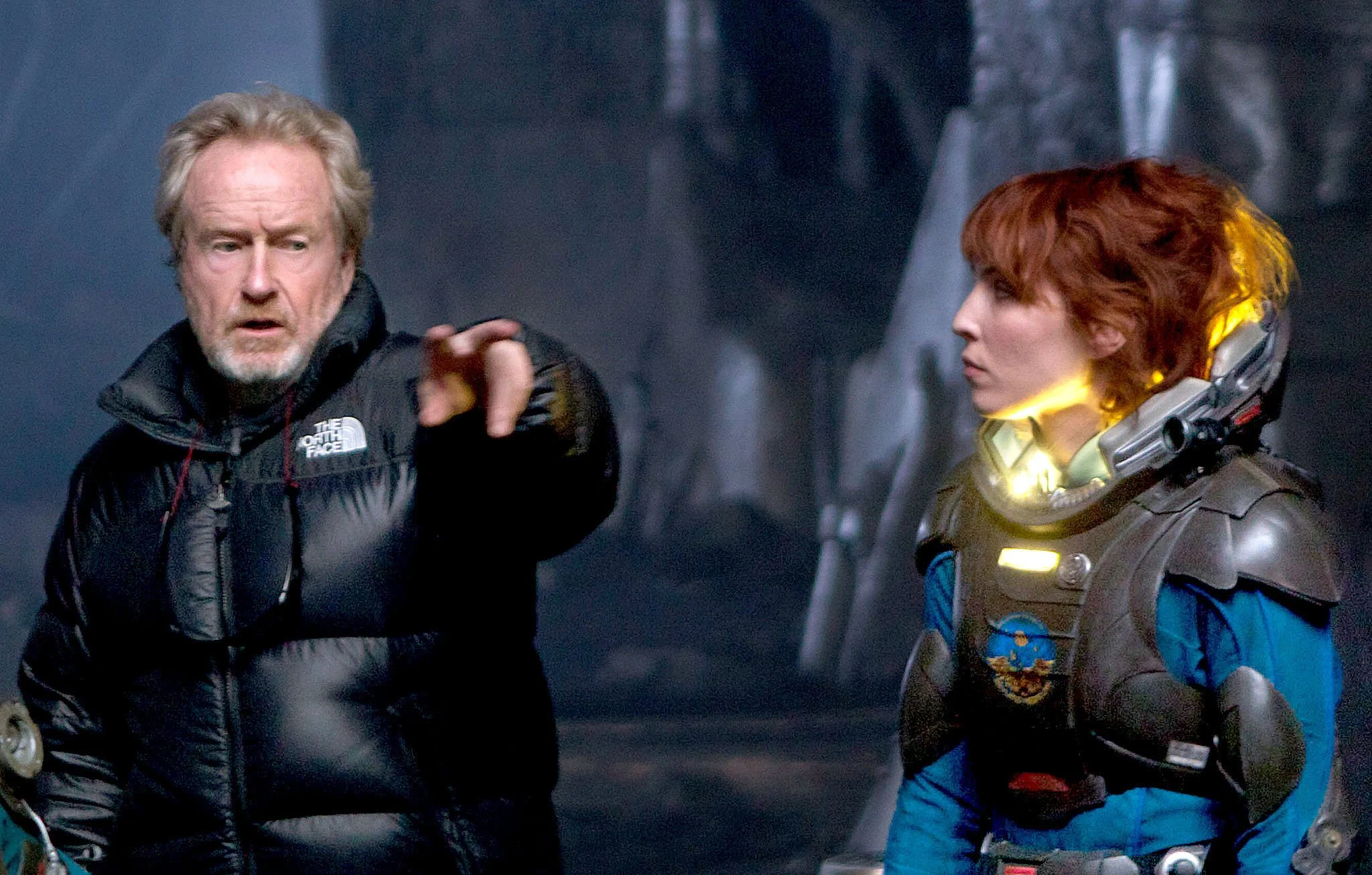
Thankfully Scott got back on track two years later with the perpetually underrated Prometheus, a prequel to Alien that explores the origins of mankind with biblical concepts. It is criticised for its story beats (an effect of early 2010s studio mandates), but its sheer ambition overcomes most of it. The movie demonstrates fascination in architecture, history, and biology and evokes a three-dimensional supporting character in David, an ominous-behaving android. It’s distinct with the other Alien entries as it favours the awe of discovery over generic creature-feature thrills.
One of Scott’s most divisive works is 2013’s The Counselor. The biggest stars of Hollywood give performances ranging from dead-seriousness (Michael Fassbender) to full-blown camp (Cameron Diaz). Scott uses visual flourishes to give texture to the meandering and philosophical Cormac McCarthy script, but his senses of dark humour and eroticism clash with McCarthy’s violence and nihilism. The movie doesn’t work in traditional terms, but I still have fun with it—it radiates a bizarre energy that holds your attention. Is The Counselor Scott’s bleakest film? I think so. For what it’s worth, it’s hard to imagine something as bold getting produced on such a large scale again.
Exodus: Gods and Kings is the rich and sprawling story of Exodus, based on the Old Testament and concerning Moses’ defiance against the Egyptian pharaohs, but Scott made quite a dull movie from it. He conjures striking visuals but struggles to convey the human qualities of the story. A lot of establishing shots emphasise the scale of Moses' defiance, but not much effort is spent in individualising the characters, even Moses himself, though he is well-played by Christian Bale.
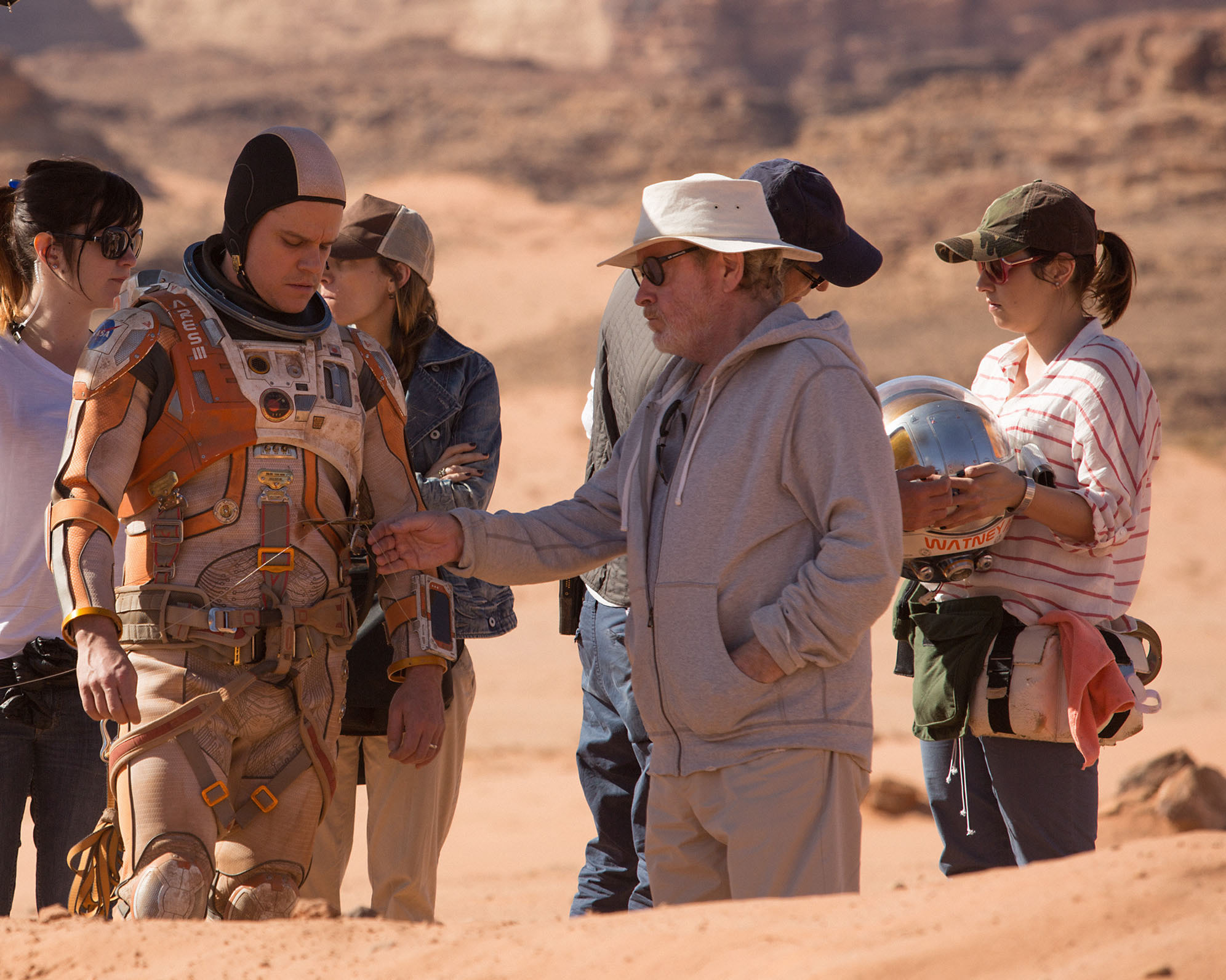
The Martian was quite a come-back for Scott. His biggest hit since Gladiator is a space rescue mission starring the dependable Matt Damon, based on Andy Weir’s novel. The movie is paced like a bullet and ridiculously entertaining, but it is also practical in its depiction of survival on Mars, striking a great balance between adventure and science. Exposition is condensed into bare minimum and used as characterisation, and the scenes of outer-space are breathtaking. It is quite a marvel that Scott, almost forty years into his career at this point, is able to adapt to the modern times in terms of ways to photograph space. The visuals in this film will hold up remarkably.
Scott made two very different films in 2017. If Prometheus was about the big ideas, its sequel Alien: Covenant deals with the fallout. It’s a meaner, scarier, gorier film, but at times you feel it succumbing to modern genre tropes. It is a skillfully made matinee with residue concepts from its predecessor, but it falls short of greatness. That being said, I still wish we got a third installment to close out the trilogy. Scott then made All the Money in the World, known for the infamous reshoots that commenced after the firing of Kevin Spacey, who was replaced by an excellent Christopher Plummer. It is quite a testament to Scott’s efficiency that he is able to get a reshoot this substantial (Spacey’s role is massive) done on time, literal weeks before its theatrical release. The finished film is, however, a mixed bag: Scott has fun with the passively engaging airport paperback material, but this is one of those occasions that proves his films are only as good as their scripts.
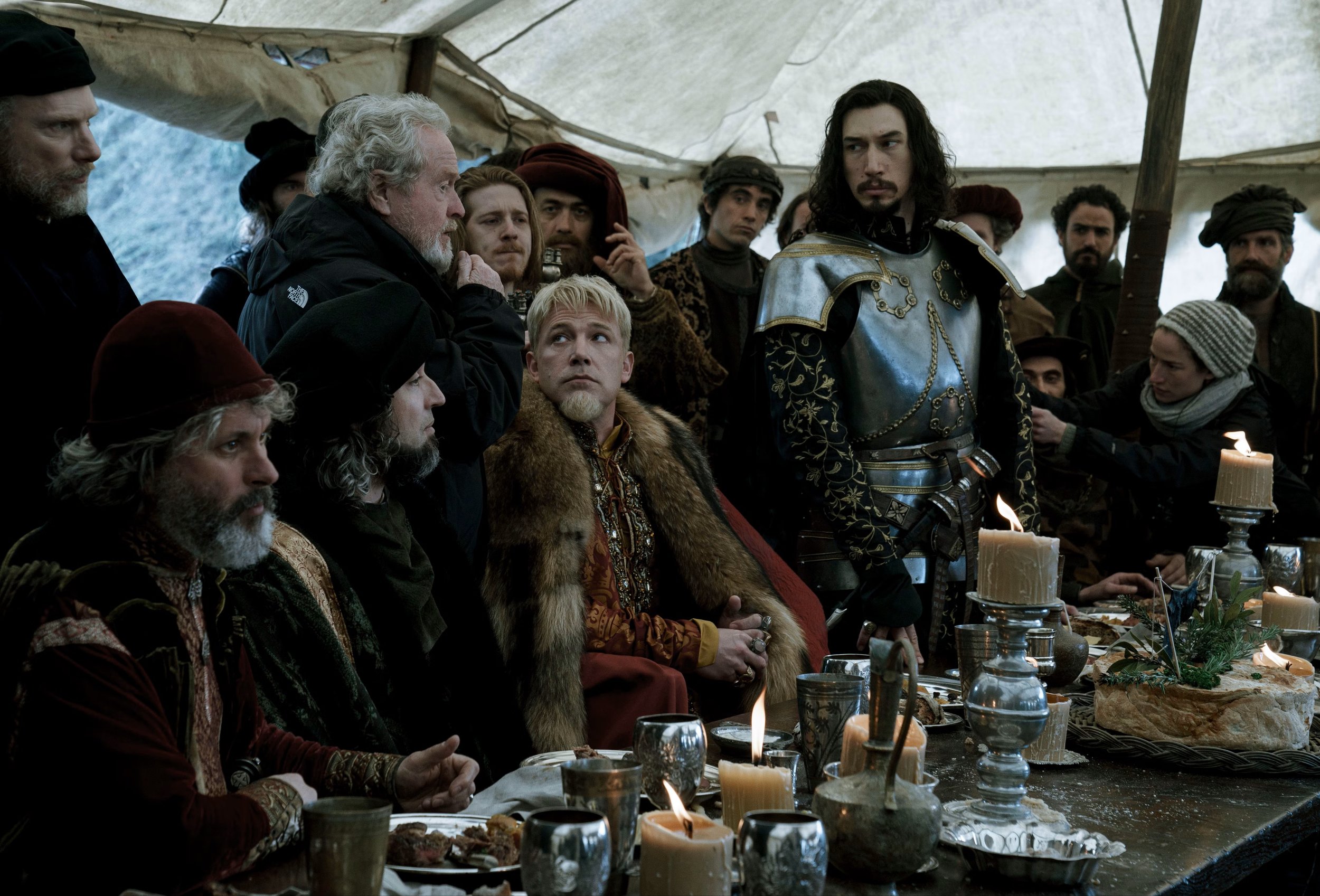
Scott didn’t release anything for five years after, but he was working non-stop all the same. 2021 sees two Ridley Scott pictures: The Last Duel has him working with some of his richest material. It is a Rashomon-style retelling of a rape case that reveals itself to be a harsh critique of toxic masculinity. The climactic duel is brilliantly choreographed and filmed, but more provocative is its implication: that men are blinded by pride and disregard the pains women go through on a daily basis. The film is an important relic of the Trump era, a major aftereffect of the #MeToo movement, and is unapologetically feminist. It performed disastrously at the box office, and Scott was right to assert the audience didn’t “want to be taught anything” by a film. Perhaps, much like Blade Runner, it will find its audience in the decades to come. Audiences were more enthusiastic towards House of Gucci, a major escapist entertainment. Scott plays with dark humour and embraces the camp in Lady Gaga’s performance. Jared Leto, Adam Driver, and Al Pacino also star, but none as memorable. The movie becomes quite a snooze (bloated runtime is a habit Scott can’t get rid of at this stage of his career), but it does feature one ridiculously entertaining sex scene.
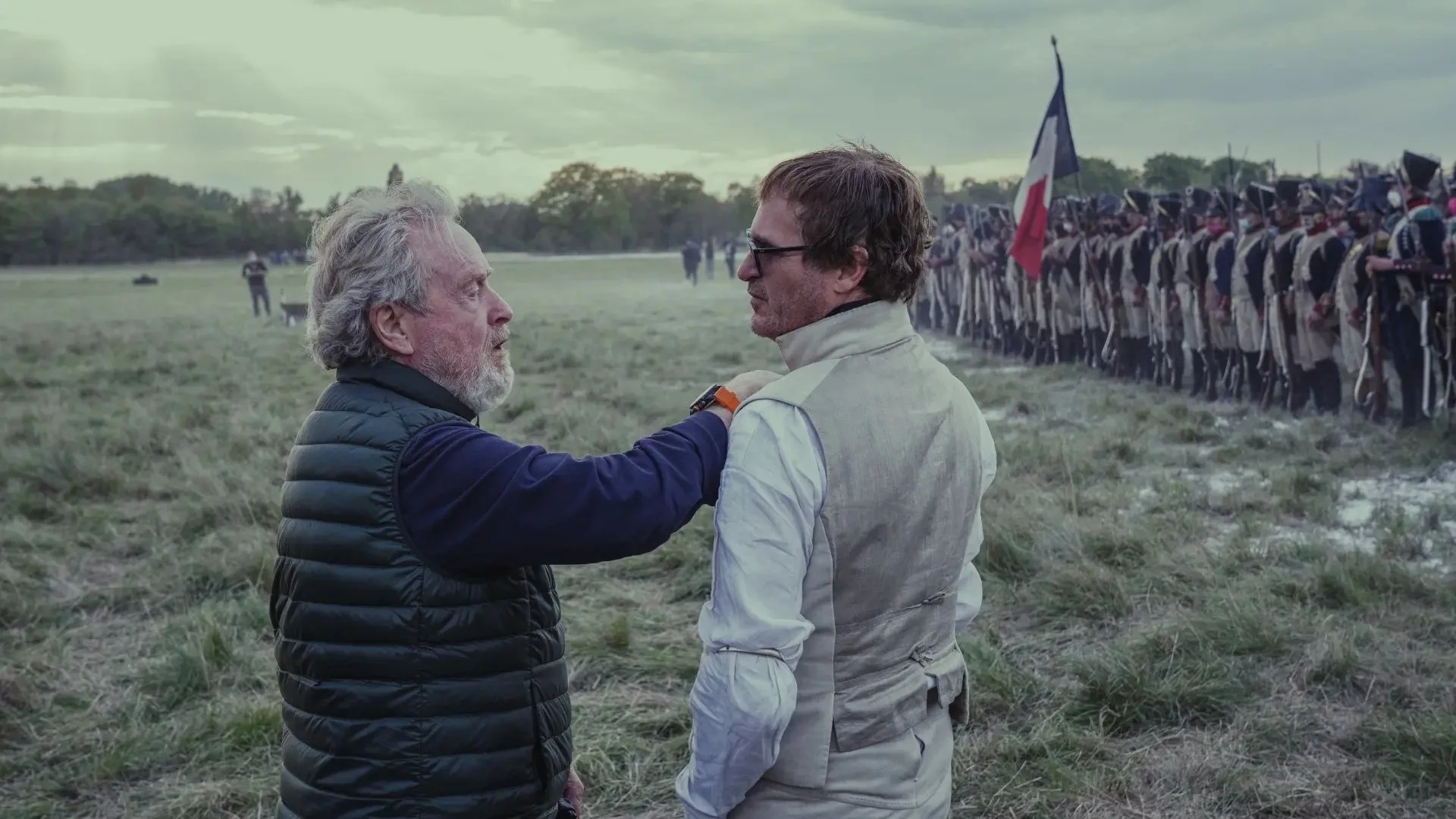
While promoting these two films Scott already teased his next project Napoleon, which many were excited for. Movie-goers had reasons to assume this is his return to form (since no one saw The Last Duel). That is, until they saw the movie, which turned out to be quite a whimper. Scott delivers on battle sequences and Joaquin Phoenix is great in the title role, but they’re working with an uneven script, which turns a historical epic into a character study with major tonal imbalances. The movie is periodically interesting—the climax and certain dialogue are insightful in highlighting how an emperor can live in complete misery—but mostly difficult to get through.
Because of Napoleon, Gladiator II was met with anticipation but also skepticism. Audiences, at this point, have started to take issue with Scott’s one-note direction, especially when even his own cinematographer criticised him on this. Denzel Washington is fantastic in this blockbuster, but doubts were made and proven correct by Paul Mescal’s screen presence. The script and direction did not provide clarity in Mescal’s character, and so the film has a Russell Crowe-sized hole at the centre of it. The story focuses on the wrong places (Washington’s rise to power is a much more interesting thread) and the action seems obligatory.
So, has Ridley Scott fallen off? The verdict: if we’re judging strictly by technicalities, then yes. The direction in his films has grown flatter and weaker as time goes by simply because Scott values efficiency over quality, which allows him to produce films at a rapid pace but makes his dependence on a great script more glaring than ever. He is perhaps not the image-maker he used to be, but whenever great material comes along, he rises to the occasion and delivers something remarkable. Here’s to hoping this year’s The Dog Stars falls into that category.