
The Halloween Horror Hootenanny III | Weekly Roundup No. 3
At the halfway mark and the usual sense of overwhelm has begun to set in. This is typically where these marathons get a bit spotty, as my processing power starts to break down under the weight of soaking all the horror in. Still, there’s really nothing like the privilege of being able to say you’ve watched “too much” good stuff and thus far the hit rate has been rock solid. Keeping that in mind, I’m going into this week aiming to be present and receptive to whatever may come my way.
Welcome back to THE HALLOWEEN HORROR HOOTENANNY III: SEASON OF THE WITCH
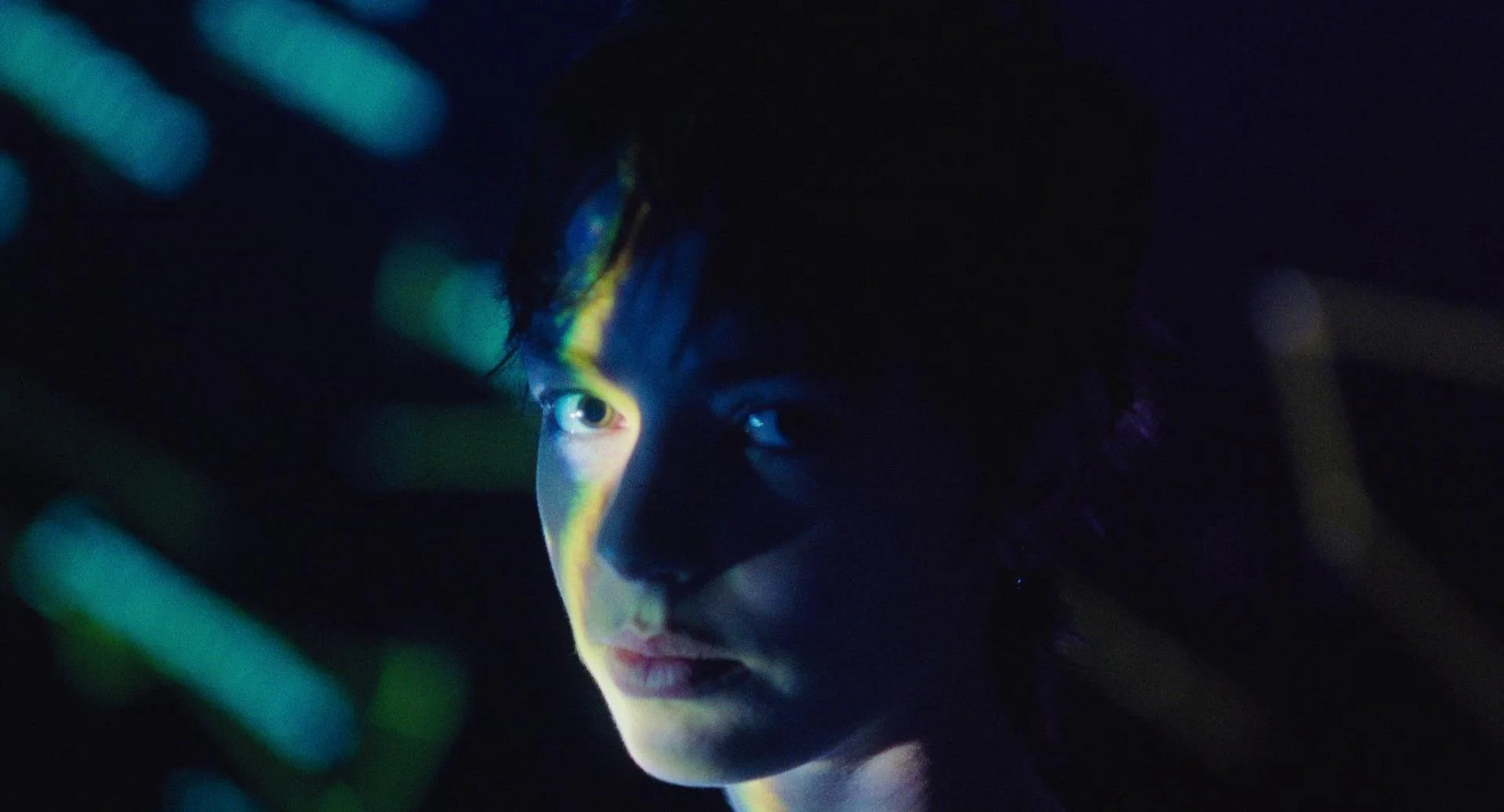
Day 15 - I Saw the TV Glow (2024)
Living in the UK is rather wonderful for myself as a cinemagoer generally speaking. I have access to so many independent venues, the multiplexes have shockingly cheap subscriptions and I’m rarely left wanting for releases to go out and see. Rarely being the operative word. The biggest name in independent distribution for the last decade has been A24 and while I have found their output to be of mixed quality of late, they’ve produced far more films that I’ve liked than I have disliked. Their distribution however is utterly pitiful and honestly inexcusable for a company which has gained as much notoriety as they have over the last decade. As a result, I missed Jane Schoenbrun’s I Saw the TV Glow back in 2024 and having now seen it, I’m just a teensy bit upset that it took this long for me to get to it.
An absolutely brutal watch first and foremost, I Saw the TV Glow is handily one of the decade’s most vital horror films. So much of it’s thematic content is laid on as thick as possible, but in a landscape so widely averse to queer and trans filmmakers exploring their identity through their art (especially at this scale), I found it rather easy to get over the lack of nuance. All of Jane’s current filmography is centered on the ways an individual attempts to make sense of their interior world through artistic process. Sometimes dark, sometimes liberating, TV Glow exists inbetween with both our leads reaching vastly different epiphanies thanks to their exposure to fictional cult TV show “The Pink Opaque”.
The abstract state of the show’s corporeality is where TV Glow becomes far more interesting thematically. It suggests that this thing these two kids have bonded over is immaterial to that bond, rather their shared experience of feeling othered and knowing that there’s this innate difference in them that nobody else can see, has completely overridden the content of The Pink Opaque. In this, Jane is in direct conversation with their previous work’s notions of fandom and instead suggests that the communal act is more important than the work they commune over.
The tragedy of I Saw the TV Glow therefore is in the lack of realisation on Owen’s (Justice Smith) behalf that this is what has been happening, meanwhile Maddy/Tara (Jack Haven) welcomed this truth with open arms. Tara might not be happier as a result of change, but there’s still this liberation found in acceptance and we can only hope that their life beyond the tether to Owen is much richer than his is. Stuck at a dead end job entertaining children with a family we never see, Owen has been completely hollowed out by his repression and even in his literal screams for help, nobody can do a damn thing about the actions he refuses to take.
Being around many trans people who understandably struggle with this self-actualisation, I’m more aware than most of how this learned helplessness gnaws away at the spirit. Somewhat sharing in their experience thanks to my own struggles with identity and mental health, I find the thesis of I Saw the TV Glow resonant because of how applicable it is to just about anybody. You must live, emphatically so. No TV show, no fandom, no friend is going to save you. There’s still time to save yourself.
Day 16 - The VelociPastor (2018)
After two days of the heavy stuff, I felt I’d earned a well-deserved break from works which left me with a shotgun sized hole through my chest. The VelociPastor is as stupid as it’s title implies, delivering the exact kind of cheap, parodic laughs a concept like this suggests.
The mid-2010’s were populated with a fair few films like this, “horror” works which leveraged dirt cheap budgets to produce comedic monster movies in lieu of anything stylistically daring or thematically engaging. Being no stranger to films shot on a shoestring budget, I came into this a little wary that it’s humor would be dated in it’s Reddit-adjacent irony. Luckily the best part of The VelociPastor is it’s script, which is genuinely terrible in the best possible way. Every character in this is playing these awful lines completely straight, laying the humour on thick with full commitment to the bit. There isn’t a single break in sight, impressive when characters have to deliver such lines as “It’s what parents do, they die on you” and “Dinosaurs never existed, and even if they did, I don't transform into one."
At 70 minutes, The VelociPastor has just enough runway to milk it’s humour for all it’s worth right before sending you on your merry way. This may be some of my nostalgia for early CollegeHumor and Smosh talking, but I found this to successfully transport me back to the type of internet comedy that I somewhat miss today.
Day 17 - Green Room (2016)
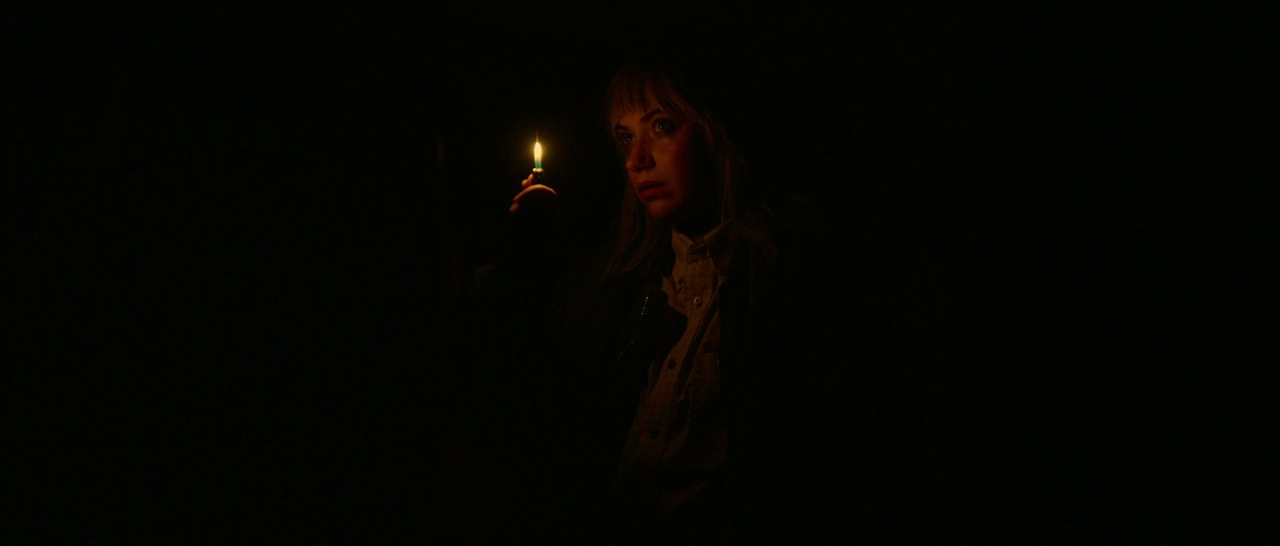
Over the last few years (in no small part thanks to Hobie Brown’s popularity in Spider-Man: Across the Spider-Verse) there’s been a real reckoning with the co-opting of punk values and aesthetics in the modern age. A music and fashion movement once viewed as the ultimate form of anti-authoritative attitudes, it saw itself commodified just as any other alternative subculture inevitably would. The Neo-Nazi movement of the last 30 years is the most emblematic of Punk moving far past it’s roots, contorting the aesthetics of Punk in order to play the false pretence that conservative ideology is the underdog and not the status quo. Where Jeremey Saulnier’s Green Room slots itself into this discussion is in a fantastic reckoning of what it means for this subculture to be commercialised.
Following a band on the road, we initially see the purest form of Punk’s roots distilled in these people. None of their music is available for purchase, they play for sustenance rather than profits and they’re raging against the machine within their pitiful means to the best of their ability. Then opportunity comes knocking and their desperation and compromising of values proves to be their undoing as they agree to play at a bar full of skinhead drug smugglers. Not fully grasping the gravity of the situation until they see the corpse of a disloyal neo-nazi, the group’s pragmatic handling of events spirals further and further out of control until the only option they have left is to do unto these people what they plan to do unto them.
Green Room is a very intense watch, the kind where you can feel your head pulsating from the stress of it’s proceedings. Our group is on the backfoot for practically the entire runtime of the film, allowing Saulnier to evoke slasher thrills with a grounded narrative where every decision could be a character’s last. Even in the cast’s triumphs, Saulnier doesn’t let the audience take a breath until the very last shot of the film. Many of them don’t make it, punching out in grizzly fashion, but their continual drive to fight in spite of the odds is about as Punk as anything gets.
Day 18 - Red Rooms (2023)
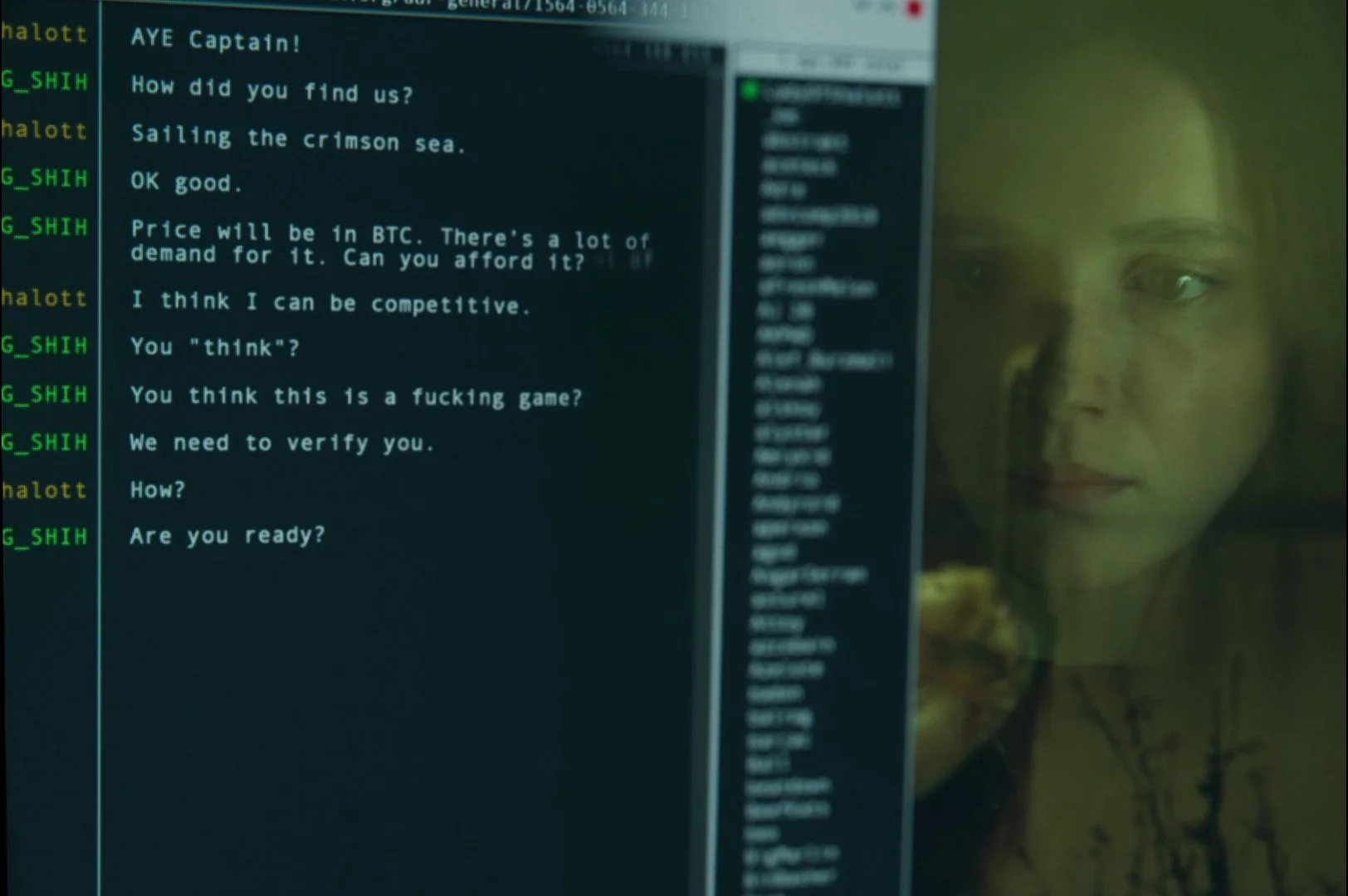
Continuing on in the odd throughline of this Halloween’s programming, Pascal Plante’s Red Rooms is another phenomenal entry in the subgenre of internet horror. LIke Schoenbrun’s World’s Fair, much of Red Rooms is centered on the strong sense of alienation that occurs through being chronically online, only here the consequences are far more dire.
Set in Montreal, the film follows the trial and sentencing of serial killer Ludovic Chevalier (Maxwell McCabe-Lokos) who has been dubbed “The Demon of Rosemont” due to the horrific nature of his crimes. Having sexually abused, tortured and subsequently killed three teenage girls, the barbarity of these acts is brought kicking and screaming into the modern age with all three being recorded and sold to viewers via cryptocurrency on the dark web. All of this is grounded through the POV of Kelly-Anne (Juliette Gariépy), a seemingly normal young woman who attends the trial as part of the jury.
Kelly-Anne serves as a damning indictment of the obsessive and self-centered folk who feel an incessant need to insert themselves into these investigations. Podcasters and internet personalities have been known to feed on this salacious material with all the fervor of a rabid dog, only Kelly-Anne maintains an anonymity that other people eschew in favour of the spotlight.
Her acts in the film’s final moments position her as someone who fancies herself a vigilante, being instrumental in ensuring that Chevalier is found guilty without any shadow of a doubt. For us as a viewer however, we have the full picture of her actions and they reveal an individual who contributes towards and enables the very system that creates people like Chevalier. She pays for the video of the final girl, in turn making it so that these criminals will continue to be rewarded for their crimes.
Gariépy’s performance as Kelly-Anne is what really seals the deal in this portrayal of alienated netizens. There’s a blankness behind her eyes in every scene, even when showing the video to someone else and seeing the profound effect it has on that person. The only semblance of emotion we receive from her is anger at the small amounts of accountability she is forced to reckon with as she unravels throughout. This entitlement is what really pierces through in Red Rooms, that one may entangle themselves in the criminal element and because she didn’t perpetrate the acts, that must mean all is well.
A timely piece of filmmaking, Red Rooms successfully cuts to the heart of the ways in which the internet has proved ruinous to our capacity for empathy. It is a space that allows for the id to operate entirely untethered to the ego as the real world effects of your actions can scantly be registered in real-time. Being completely immersed in that culture isn't too far off from slipping into the same delusion that empowers society’s worst actors.
Day 19 - The House That Jack Built (2018)
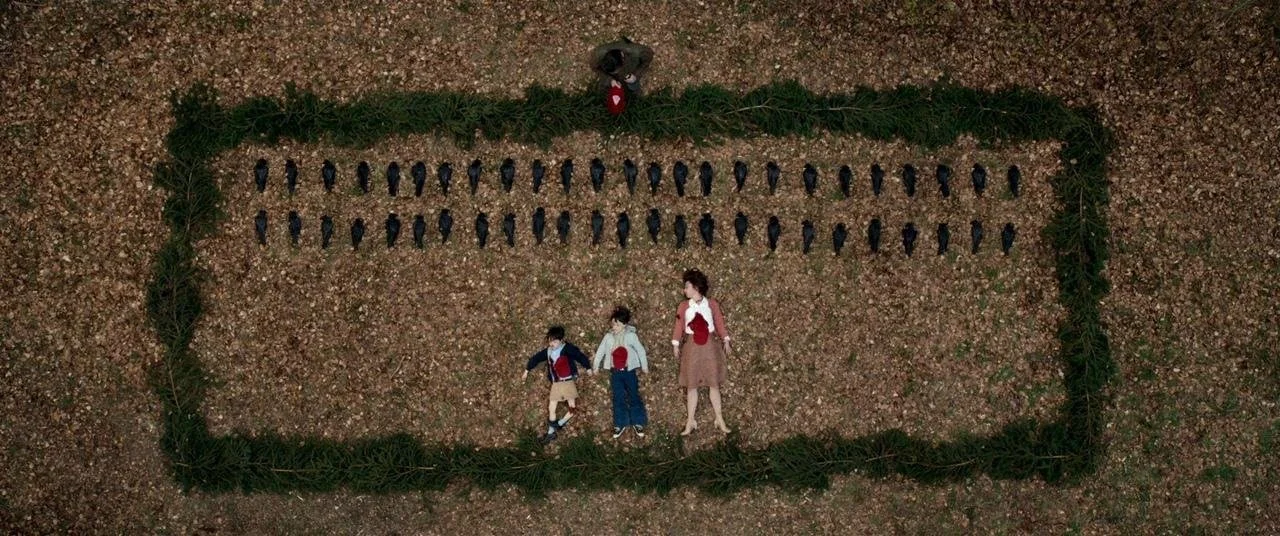
In yet another instance of serendipity, I have somehow managed to chain two films about serial killers together! This also marks my first foray into the filmography of Lars von Trier and while I may be jumping the gun on this, I found The House That Jack Built to be a remarkable examination of the psyche of the artist and what it means to form bonds when one is so preoccupied with their craft.
Like David Fincher’s The Killer, The House That Jack Built utilises a thorny lead to extrapolate a filmmaker’s own struggles with their methodology in approaching their chosen craft. For Jack (Matt Dillon) his craft happens to be engineering and architecture. The combination of these two disciplines reads as Lars’ interpretation of filmmaking as a profession that is both artistic and mechanical in nature — an interpretation that I largely agree with. Murder then, is all the stuff that happens in-between. For us it might be a first date, an encounter with a neighbour, having children. The murder takes up most of the screentime in The House That Jack Built, in either the leadup or the aftermath, it both gets in the way of Jack’s craft and informs him on how to handle it.
Jack does so much intellectualising about the choices he makes, always coming up with an excuse to rationalise the awful things he does by tying them back to his life’s work. He’s building a house, chasing the dragon that is artistic perfection and tearing it down when the work isn’t living up to his expectations. All the while he’s meeting new people, having new experiences and killing them without much thought. While some of these murders may be more elaborate than others, the killing comes to him as easy as breathing. In the most macabre fashion imaginable, it is only through the bonds he makes, the people he meets and subsequently kills, that he is able to create his masterwork.
Day 20 - Resurrection (2022)
Coming at the recommendation of a good friend some 3 years ago now, I went into Andrew Semans’ Resurrection (not to be confused with Bi Gan’s Resurrection released last year) knowing absolutely nothing about it. That is one of my favourite ways to approach a film and often I find it to be immensely gratifying, allowing myself to completely submit to the will of the story being told without the weight of expectation. Unfortunately, Resurrection left me feeling rather dejected when all was said and done.
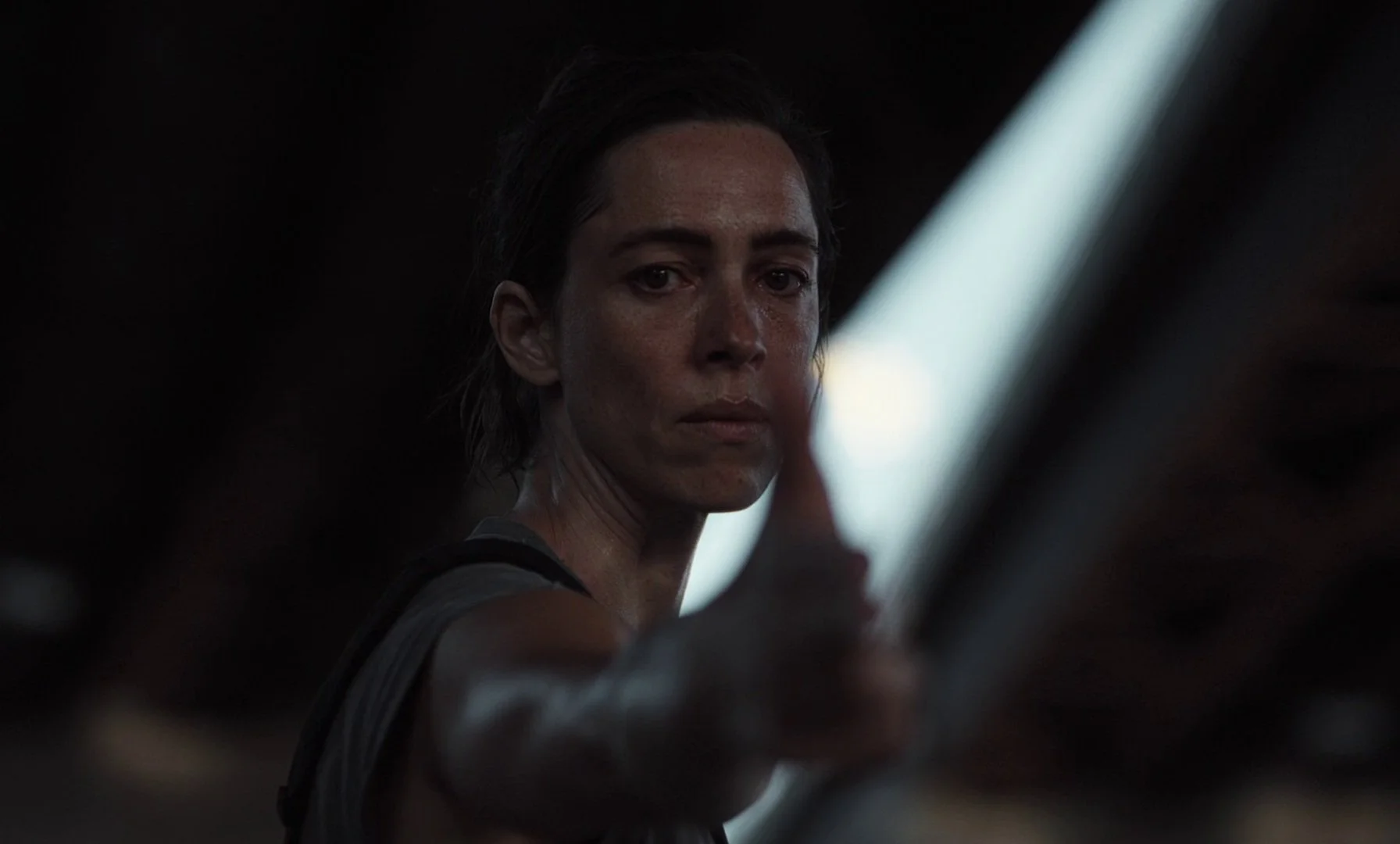
Resurrection is a film that doesn’t reveal it’s true nature for quite some time, initially functioning as a rather unassuming character piece centered on a high ranking executive of a pharmaceutical company. Rebecca Hall's performance as Margaret establishes her as such a commanding and strong presence. She is a loving mother with a killer ability to work the room and a great sex-life. Upending this is a returning figure from her past, her abusive ex David (Tim Roth) and it is in their interactions that we witness Margaret’s life collapse.
Roth and Hall are seriously going to bat with this material, injecting banal sadism and manic desperation into each line effortlessly. Without these two performers, I struggle to imagine the film staying afloat through it’s ratcheting tension. Resurrection is genuinely torturous to watch at times, with Margaret’s bending to David’s will feeling like the strong sense of personhood we initially observed her to possess being systematically stripped away. There’s a real formal precision on display here from Semans in maximising the impact of every scene to heighten the dramatic stakes.
Where Resurrection loses me slightly is sadly in it’s more abstract elements. Typically I find this kind of stuff to be the juice in a movie like this, taking the conceptual and giving it form, but here I found it to only muddy much of the film’s thematic content. The abuser in a relationship often dangles both carrot and stick in front of the abused, while everything in actuality is just stick. That this child was truly buried inside David the entire time, renders his sadistic nature less so and presents genuine catharsis for Margaret in that she earns something beyond peace of mind after finally killing David. That these are the final beats of the film left me with a rather sour taste in my mouth and sadly undid a lot of the good will earned by its stellar performances and immaculate sense of suspense.
Day 21 - Drag Me to Hell (2009)
Winding down after four days of stressful and rather challenging pieces of filmmaking was a must for me at the end of week three. I was feeling just a wee bit overwhelmed by both subject matter and tone. Leave it to the grandfather of the horror comedy then to get me back on my feet.
Sam Raimi’s Drag Me to Hell was his first film after his incredibly successful Spider-Man trilogy (a film series that is in no small part responsible for me becoming so enamoured with film at a young age) and after the gruelling production of those pieces, his return to horror comedy must have been as welcoming for him as it was to audiences. It’s got all the wacky slapstick one would come to expect from his works and balances that with a tone that is just as manic as Evil Dead II and Army of Darkness.
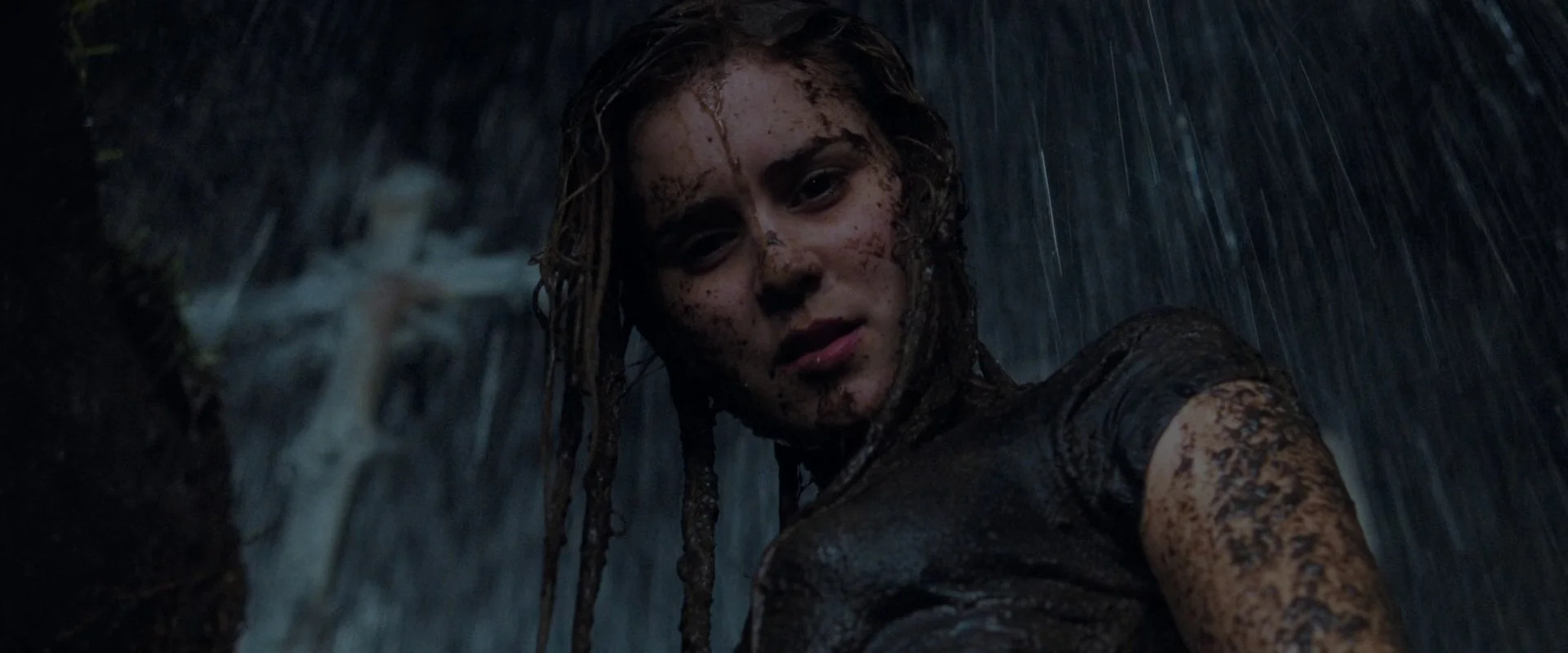
After a cruel prologue, the political undertones of Drag Me to Hell make themselves known very quickly, as the film centers on a curse befallen upon banker Christine Brown (Alison Lohman). Released just after the housing crash of the 2008 recession, her denial of an old crone’s loan extension makes all the comeuppance that comes her way feel somewhat cathartic, allowing for the scares and escalating insanity of events to resonate just a little more. In typical Raimi fashion, there’s still a want for her to best the forces beset upon her as Lohman’s innocent country girl demeanour shines through. Not quite the shithead with a heart of gold like Campbell’s Ash, but still a protagonist we can get behind as her desperation grows with every encounter.
While being a clear step away from the scale of his blockbuster films, Drag Me to Hell sees Raimi deploying all the tools of the trade he learnt on Spider-Man with a heavier emphasis on VFX than his earlier work. Not to say that there aren’t some stellar practical effects at play here (the wire work and a particularly gruesome scene with live insects comes to mind as highlights) but the pronounced deployment of VFX is a departure from the work that fans of Raimi’s horror films had come to love. The skill then lies in exactly how Raimi utilises this element and much like with his work on Spider-Man, he always grounds each shot by returning to a practical image to bookend their usage which brings the viewer back to reality.
While certainly not in the upper echelon of Raimi’s work, his hands are all over Drag Me to Hell and a sign that when it came to horror, he hadn't missed a step. It’s gooey and funny and full of some truly batshit sequences, while also carrying over the skillset he’d spent the previous decade honing in a completely different genre. With one glaring Oz: The Great and Powerful sized asterisk, it is incredibly difficult to have a bad time when Sam Raimi is behind the camera.
Closing Thoughts
Likely the heaviest week that I’ll have all month, week three brought with it some truly intense watches that had my brain rattling for several days on end. My favourite piece of the week was The House That Jack Built and my least favourite (unsurprisingly) was The Velocipastor. It’s back to basics next time as we begin week four with The Omen. I’ll see you there!