
Movie Review: "They Fight" - Madea Goes Boxing

2/12 ForReel Score | .5/5 Stars
They Fight isn’t a good movie. In fact, it’s an atrocious one. The cinematography can’t decide what film it’s in, the editing vacillates from self-conscious to distractingly erratic, and the dialogue is impossibly stiff. Every rivet and bolt of the film is dubious. It’s so structurally unsound it’s a wonder it doesn’t completely collapse. Maybe it did. Why waste ink on They Fight? Atrocities fascinate me.
Despite a nominal focus on boxing, They Fight isn’t a sports film—not in any of the capacities that matter. It doesn’t convey its narrative through and around sport. It can’t. Sequences in the ring are shot inscrutably. There’s so much shaky camerawork that discerning coherent lines of action is an impossibility. Tensions that should be explored and resolved through the sport can’t. The audience has no real clue what’s going on. The interpersonal drama of Walt Manigan (André Holland) and the boys of Lyfe Style (the boxing program Manigan founded) is similarly illegible.
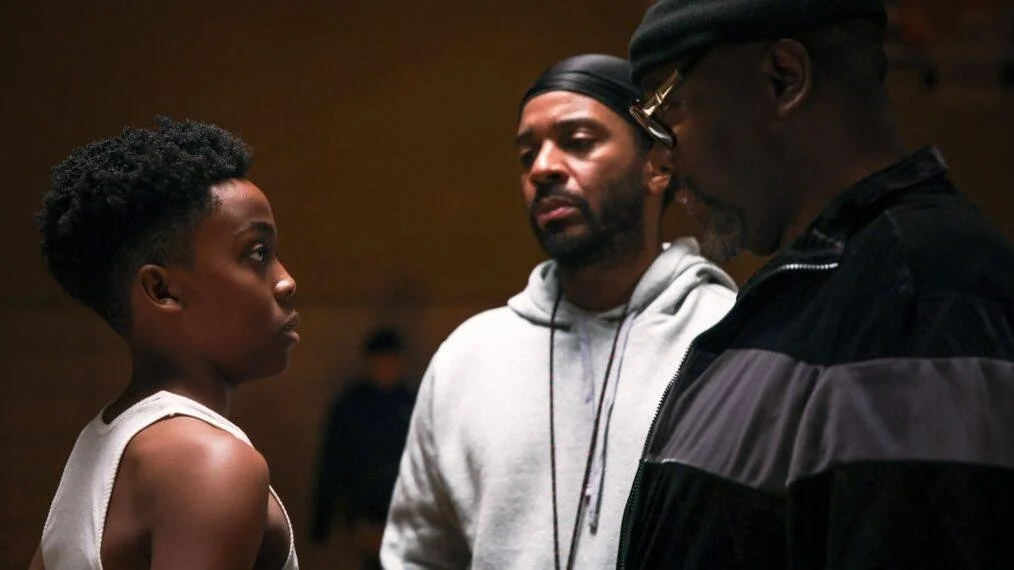
Image courtesy of the Walt Disney Company
The film opens on a parole hearing, the sardonic wit of The Shawshank Redemption is notably absent. Walt Manigan pleads for his release, and in a minute and a half, the film reveals a concerning lack of ambition. The camera-work is lazy, and the dialogue is stilted to a degree that one must wonder if it's being delivered at gunpoint. These flaws are irritating by themselves, but their context is more injurious than their lack of form. Every worn-out cliché on this side of BET+ is offered during this hearing: promises for religious reform, a child on the outside, an indifferent parole board. Here, they exist purely to typify the sort of film the audience is about to endure. It’s a Tyler Perry movie.
There’s a certain sort of film about the conditions in the black community that’s been roundly criticized. They also happen to be Tyler Perry’s primary income source. The tropes that pervade this genre film, while bearing some resemblance to reality, reinforce persistent negative perceptions about black people in America. At best, they patronize; at worst, they scandalize. It’s a sort of film that, at one point, felt aspirational, but by 2026 feels egregious. Sheldon Candis (the filmmaker/co-writer) seems either unaware of or indifferent to this history. They Fight picks up and drops plotlines with a speedy indifference only a director could love. Most of these narrative beats fit well into the canon of “black struggle cinema”. There are deadbeat or entirely absent fathers, the looming threat of the gym losing funding, drug abuse, and employment trouble. All are mentioned a single time, never explored beyond their existence, and have no meaningful impact on the plot beyond inspiring 30 seconds of white guilt.
Intentionally or not, the film uncovers the danger endemic to lazy filmmaking about non-white subjects. They Fight reads as a grating stereotype. The rushed, largely uncritical nature of the film isn’t just poor filmmaking in this context; it divests a marginalized population of the interiority that defines them outside of adversity. The difference, of course, between They Fight and an average Perry flick is twofold. First, Candis does appear to care about some element of cinematic craft even if it's woefully misapplied. There’s a sense that, at minimum, the director believes this is important. Secondly, and more pressingly, They Fight is based on a true story.
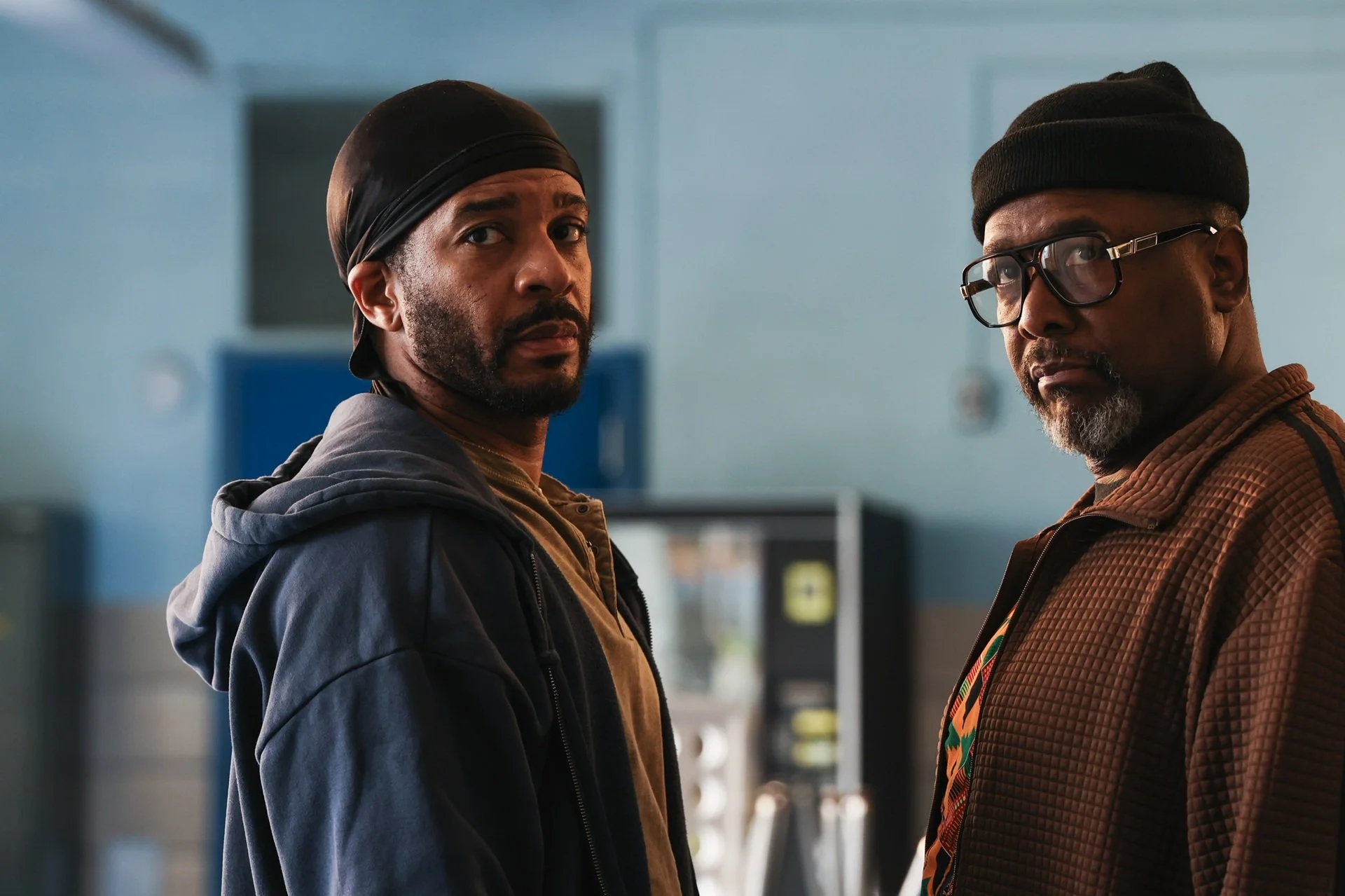
Image courtesy of the Walt Disney Company
Undoubtedly, They Fight attempts to vest Manigan, Peanut (Anthony B. Jenkins), Ketta (Samira Wiley), and Lyfe Styles' story with melancholy honesty. It’s not pretty, but it’s real. However, the real elements chosen for inclusion or exclusion are at the discretion of the director. As much as a three-hour cut of the main cast tying their shoes and brushing their teeth might be groundbreaking experimental cinema, there are obvious reasons those elements aren’t present in They Fight: they’re unbearably dull and thematically incoherent to this script. This philosophy is precisely why what’s on-screen is so vexing. The narrative Candis sculpted feels stigmatizing. The gym’s financial hardships are immaterial to the story or its themes. We just have to know they’s is strugglin’. The soul of the film, what boxing does for the boys and the community, commands conspicuously little of the narrative's attention. The interpersonal hardships and drama are more enticing. More salacious.
In its greatest blasphemy, They Fight sanitizes Manigan’s ending out of existence. The film concludes in a sequence where Manigan marries Ketta, the mother of his two children. Dramatically, he casts away his bottle of opioids, a looming temptation he’s finally grounded enough to conquer. How nice. The real Walt Manigan wasn’t able to kick the narcotic habit that landed him behind bars to start. The stress of managing the continued funding of Lyfe Style played no small role in his relapse. He died at 55. There’s real interplay in that tragedy; the thing that saved his life after prison also helped end it. Real life is messy, artifice isn’t.
What then, so captivates me about this particular brand of 90-minute Lifetime programming? There’s an amusing glow hiding between the penumbras cast by They Fight’s careless presentation. It’s not textual nor even sub-textual. No, what scintillates about this film and its ilk is focus. The reason narratives like this feel vapid, yet command attention, is the focus on the interpersonal struggle of blackness. The real-life Walt Manigan’s conclusion isn’t in the film because it would impugn a society that exalts programs like Lyfe Style but perpetuates the conditions of poverty that necessitate it. The viewer might be uncomfortable, and we can’t have that. Films like Tyler Perry’s Diary of a Mad Black Woman and They Fight contain an odd sort of truth in their absurdity. They bear resemblance to the real struggle of blackness only incidentally, and, in so doing, nearly satirize the observations in their negative space. They are films about what isn’t on-screen.
They just don’t know it.