
TIFF 2026 | Movie Review: "The Beloved" Thoughtfully Examines the Filmmaking Process

9/12 ForReel Score | 3/5 Stars
During the introduction to Rodrigo Sorogoyen’s The Beloved, star Javier Bardem tells the audience that questions around the film usually involve the very first scene. But after the film, I am surprised to report the first scene doesn’t inspire many questions for me, at least compared with the rest of the film. It is pretty straightforward: a long conversation between the two leads, mostly improvised, lays the groundwork for the dynamic between the central characters. The rest of the movie is made up of prolonged conversations like this, written and shot with attention to detail. I’m not quite sure if The Beloved comes all the way together, but its performances intrigued me, along with its depiction of filmmaking, and its argument that art is inherently personal, no matter our intentions.
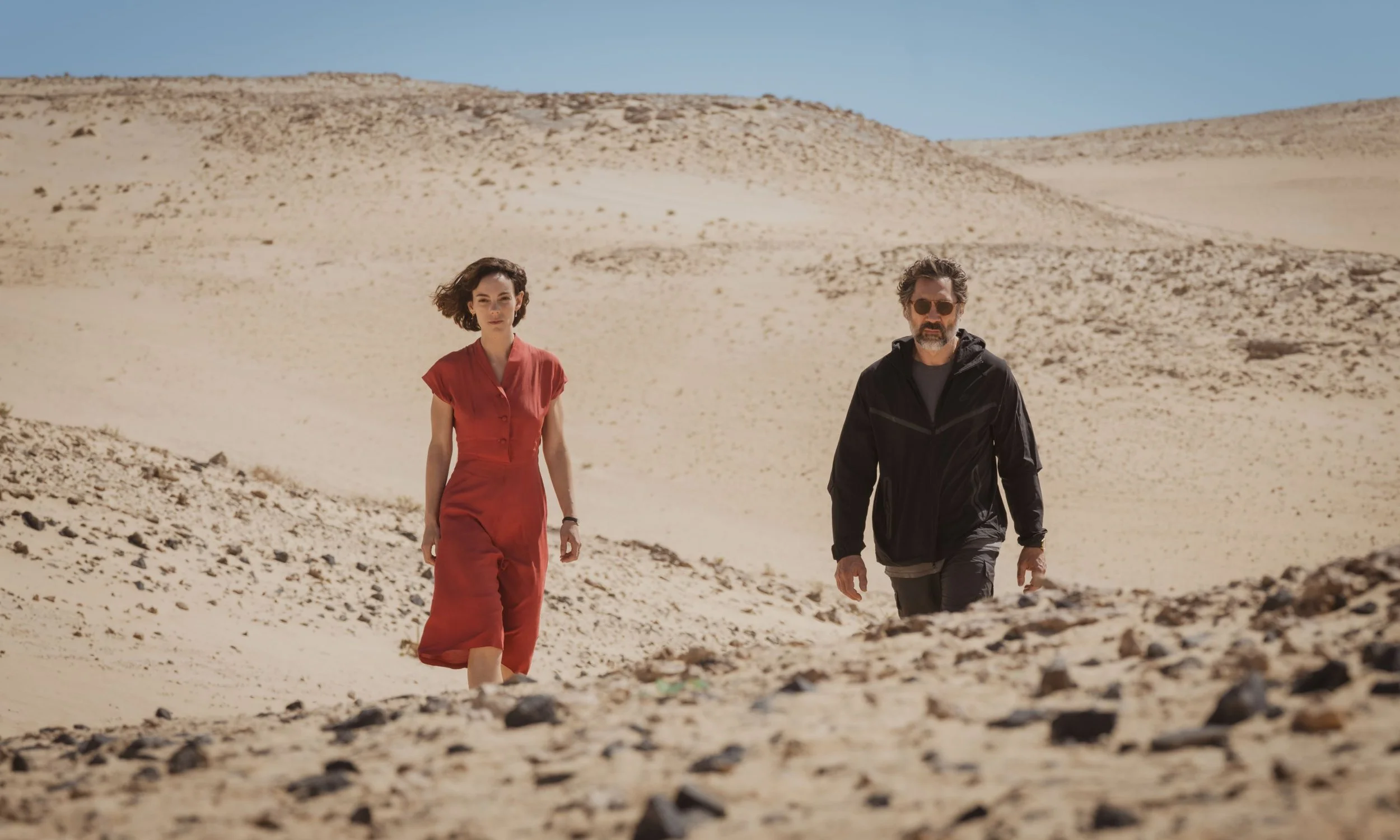
Bardem plays Esteban Martínez, a big-time director preparing his next major project. The movie opens with him offering the lead role to his estranged daughter Emilia (Victoria Luengo). She accepts, and tries her best to maintain a relationship with Esteban completely separate from their difficult past. We follow them through the making of his movie, which, for once in a movie about filmmaking, resembles an actual movie. It is refreshing to see the filmmaking process depicted with so much clarity. We even see Esteban recording a blu-ray commentary track for his old film, a rather clever way of conveying to us his past without explicit exposition.
This is, as you might recall, the exact plot of last year’s wonderful Sentimental Value, but they couldn’t be more different. These two are like yin and yang, though they are both about artists who inevitably let their personal feelings bleed into their work. The question then becomes: is it beneficial or detrimental to said work? The Beloved doesn’t necessarily give that answer. The quality of the film Esteban makes is quite opaque; we never get to see how it is received.
The focus of the movie is its production, which we learn is the playing field for grudges. Sorogoyen’s method for interrogating a relationship is to construct situations that allow characters to reveal their feelings abruptly and aggressively. The best scene of the film involves Esteban attempting to shoot a conventional scene while the actors lose control of themselves. He loses his patience and lashes out on the cast and crew. This moment ostensibly has nothing to do with the central father-daughter relationship, but it actually reveals every ounce of resentment Esteban and Emilia have towards each other.
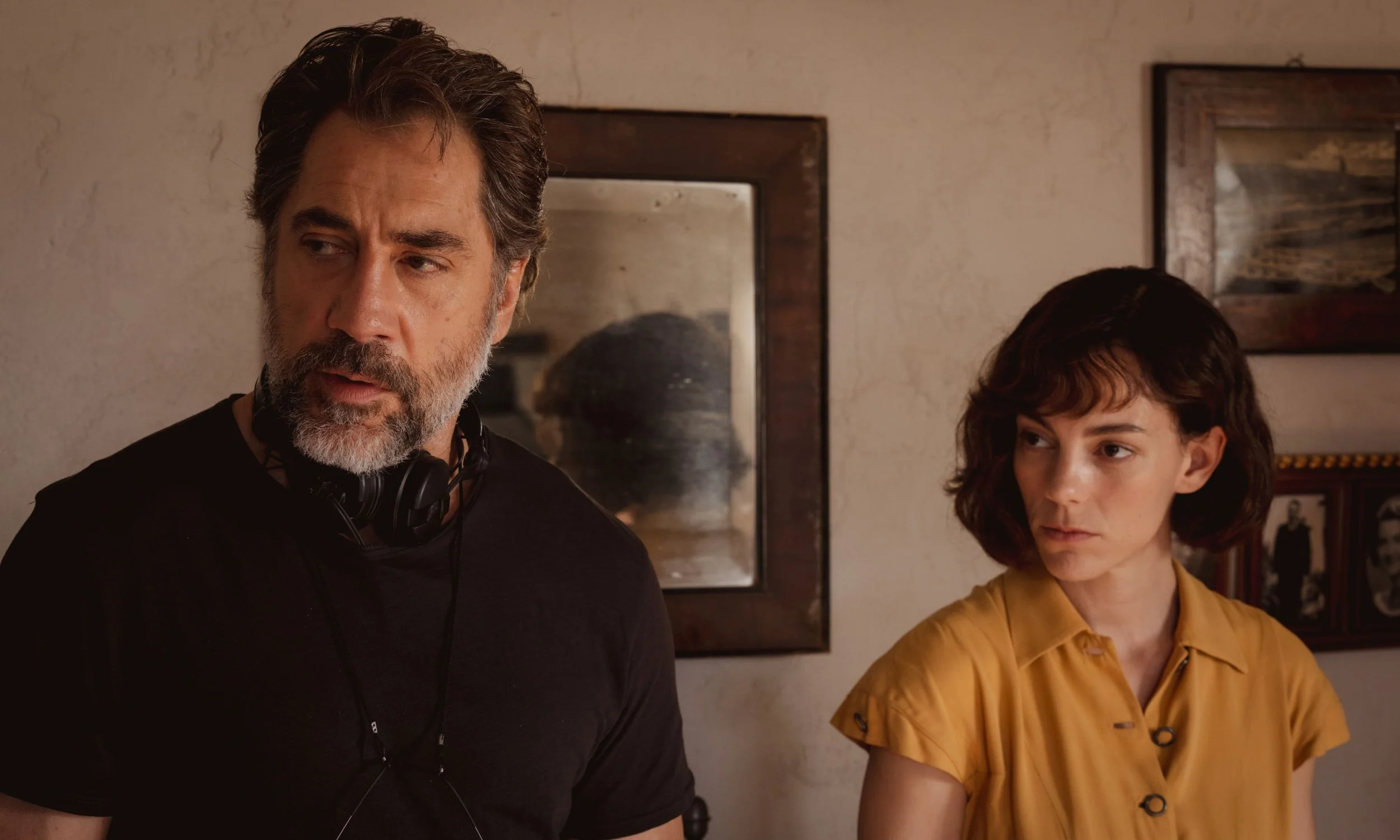
Such relations between characters are wonderfully observed (even the exchanges between Esteban and his collaborator Pepa (Pepa Gracia) are revelatory), but I have to mention the elephant in the room and discuss Sorogoyan’s formal choices. You see, the film uses a lot of gimmicks: shots would turn into black-and-white, music would blare, the audio would become distorted, the aspect ratio would shift, and so on. I interpret these choices as Sorogoyan’s way of observing his lead, since no work that Esteban produces in the movie suggests he is an idiosyncratic artist. The idiosyncracy of the direction therefore doesn’t really reflect the character that well, and becomes a distraction.
I suspect The Beloved would’ve been a more absorbing film without its formal gimmicks—they take our attention away from the emotions of certain scenes. Bardem and Luengo give two of the best performances of the year, completely embodying their mutual feeling towards each other: a mix of regret and grievance. I think at the end they are secretly grateful for each other, but I can’t say for sure. That is the magic of these two performances: there is no certainty in this dynamic, and for that reason it will stay with me.
Acting/Casting 2 | Visual effects/Editing 0 | Story/Message 2 | Entertainment Value 2 | Music Score/Soundtrack 1 | Reviewer's Preference 2 | What does this mean?