
Movie Review: 'Paper Tiger' is a Thrillingly Modest Throwback for James Gray

9/12 ForReel Score | 3.5/5 Stars
Autobiography is, oftentimes, a slippery slope. They always say, “there's a little bit of every artist in their work,” which might as well be the key to auteur theory. We understand the artist through their output, serving as a mosaic of their fears, feelings, and core ideals. A classic example is Steven Spielberg’s throughline of divorce subplots—spurred by his parents’ separation— culminating in his autobiographical drama The Fabelmans. It's the closest film studies comes to psychoanalysis, unlocking greater themes within the auteur’s oeuvre. One such heart-sleeved filmmaker is James Gray, who returns to the silver screen (and his roots) with Paper Tiger. Harkening back to the New Hollywood era’s seedy neo-noirs, Paper Tiger is as elegant as it is excellent.
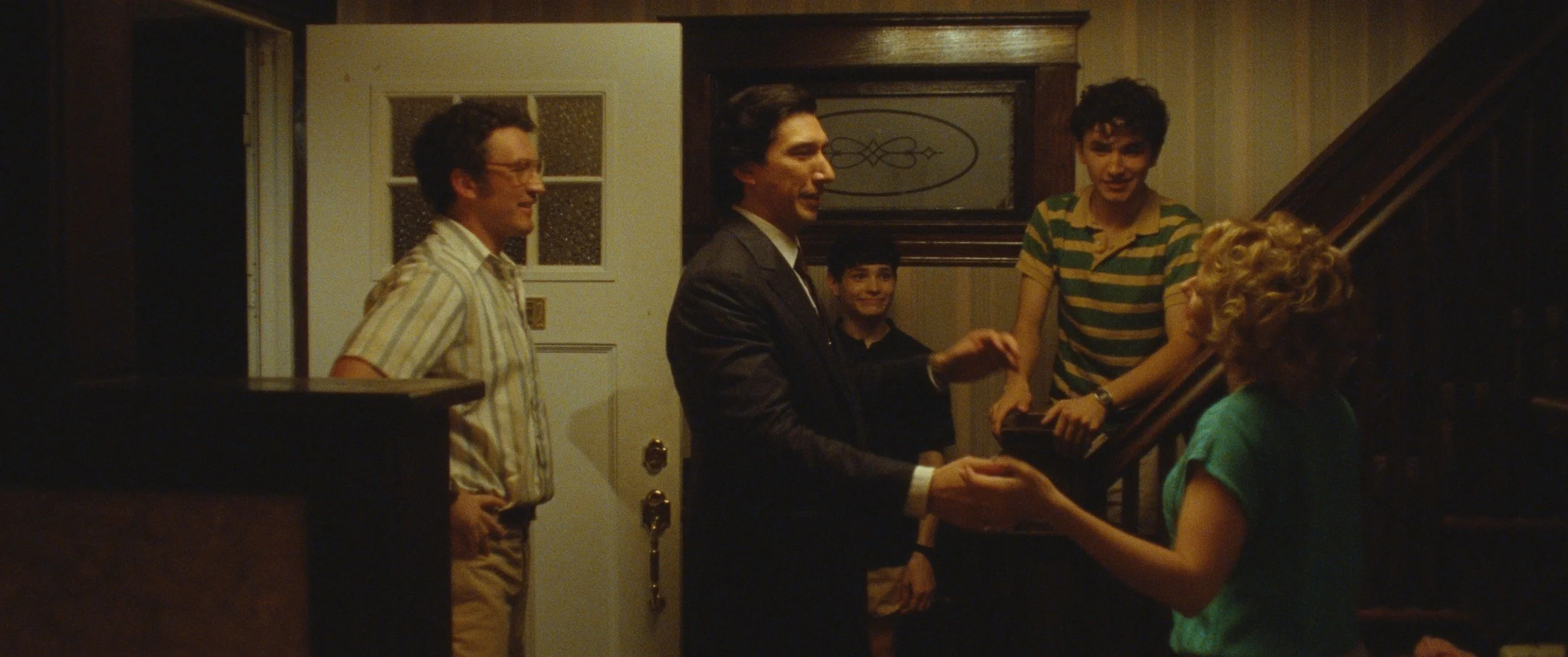
Image via Elevation Pictures and NEON
Upon watching Little Odessa, We Own the Night, and now Paper Tiger, I only have one question: what in God’s name happened between James Gray, his brother, and his father? I suppose the proof is in the pudding, but these three ultra-personal crime stories explore masculine familial ties with crime-noir overtones. Gray’s high-concept space drama Ad Astra was a two-hour onslaught of daddy issues, while Little Odessa and We Own the Night (which Paper Tiger is far more akin to) largely examined fraternal-paternal relationships through Scorsese-esque crime-cinema aesthetics. After deviating from the crime-film path for nearly twenty years, Paper Tiger—much like Martin McDonagh’s recent Wild Horse Nine—reflexively retreads Gray’s New York gangster family dramas with skillfully poised maturity.
Centralizing two brothers played by Miles Teller and Adam Driver who enter a bad business deal with Russian mobsters, Gray subverts his formula by combining the father and brother archetypes into one unflattering self-insert. Teller stars as Irwin Pearl (who looks eerily similar to James Gray), a modest middle-class engineer and family man with an earnest life in Queens. Adam Driver’s Gary steals the screen with classic “cool uncle” swagger, contrasting his affable demeanor with Irwin’s withdrawn dorkiness, with Irwin’s two sons creating parallels between the two generations of brothers. Much like David Robert Mitchell’s The End of Oak Street, Gray thickly lays on the 80s idyll, creating seemingly perfect familial bonds before testing their structural integrity through extreme circumstances.
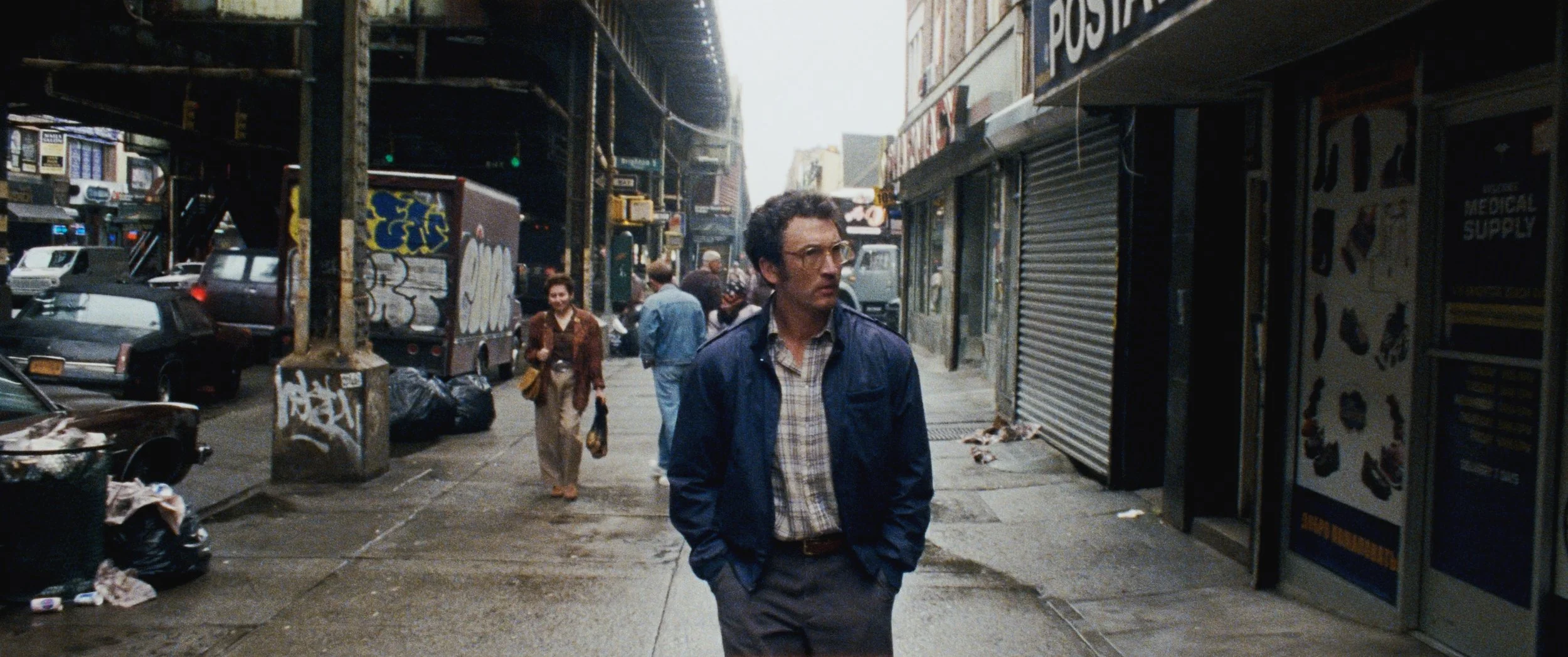
Image via Elevation Pictures and NEON
With eyes on the prize, Irwin mistakenly complicates matters with the mob for the worse. Left with a six-figure debt and a reasonably angry wife (Scarlett Johansson), Irwin’s accidental stumbling upon mafia happenings threatens both Gary’s plans for financial success and the Pearl family at large. Putting himself in his father’s shoes, James Gray writes Irwin with clear respect and love, understanding the patriarch’s honest fallibility with much less vindictiveness than his previous films. Irwin isn’t exactly street-savvy, nor is he as charming as Gary, but he’s sympathetic nonetheless. Whereas Gary—armed with Chekhov’s ankle-gun—is far more up to the task of straightening his spine, Irwin is (understandably) a fish out of water when confronted with Soviet mafiosos.
As the situation spirals further out of control on the business front for Gary and Irwin, the once-perfect nuclear family begins to both come together and melt down. Scarlett Johansson’s Hester Pearl, while mostly a supporting character with an immensely heavy Queens accent, will remind Little Odessa fans of Vanessa Redgrave’s matriarchal turn, providing much of Paper Tiger’s emotional weight while being a more responsible parent than Irwin. The Little Odessa comparisons extend to the younger Pearl brothers as well, as the unfolding situation brings them closer together. One could call Paper Tiger James Gray’s “James Gray-iest” film thus far, as he revisits familiar themes (Gray was 24 when he wrote and directed Little Odessa) after thirty years of experience.
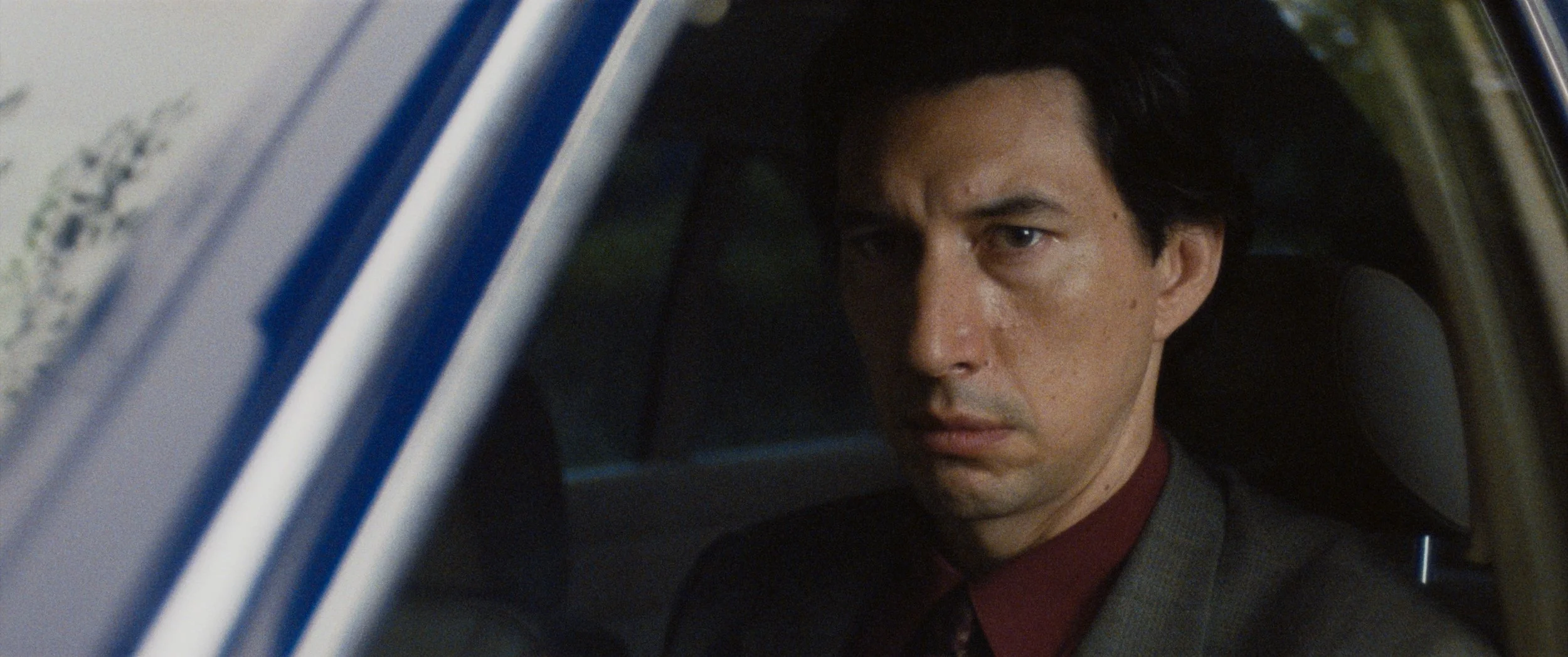
Image via Elevation Pictures and NEON
Beyond the throwback to James Gray’s earlier films, Paper Tiger is also a throwback to the gangster films that inspired Gray in the first place. Mafia noirs aren’t exactly in season compared to high-budget blockbusters and low-budget horror flicks, leaving little room for sophisticated films like Paper Tiger these days. It’s the type of film that feels familiar now, but would’ve been hailed as a classic of the genre in the 90s. Gray leaves the pot on a slow simmer, letting the situation boil over into a tense yet simplistic final set piece. At no point does Paper Tiger go further than standard crime-thriller fare, but it’s a well-oiled machine that’ll surely please any moviegoer above the age of forty.
Groundbreaking Paper Tiger is not, yet its taut narrative and breezy pacing make for a crime-noir that never overstays its welcome. It’s a smart, poignant, and riveting thriller with competence on both ends of the camera, and for that, Paper Tiger is a definitive success. Worried as I am that Paper Tiger will fly under the radar compared to this year’s showier award-season films, it’ll find an audience with the real heads—those who are truly tapped into what’s good for them. These types of movies are a dime a dozen nowadays, and we would be foolish to take the Paper Tigers and Caught Stealings for granted. Paper Tiger might not resonate en masse, but it definitely did for me.