
TIFF 2026 | Movie Review: "The Last Photograph" is Zack Snyder at His Dullest and Cruelest

2/12 ForReel Score | 1/5 Stars
The Last Photograph opens with one of the hallmarks of Zack Snyder’s style: brutal violence. A children’s birthday party in South America turns into a horrific massacre, while photojournalist Joe Wallace (Fra Fee) has sex in the room next door with a nude woman. When the gunfire breaks out, Joe grabs his camera to emotionlessly document the slaughter, fixating on the mother, Catherine, in her final moments. It’s an opening sequence clearly designed to prompt heavy-handed questions about the ethics of the lens and the psychological burden of witnessing atrocity (topics explored in Alex Garland’s intelligent road trip film Civil War). Instead of pushing those ideas into a competent narrative, The Last Photograph quickly becomes a hollow, ugly, and relentlessly self-indulgent thriller.
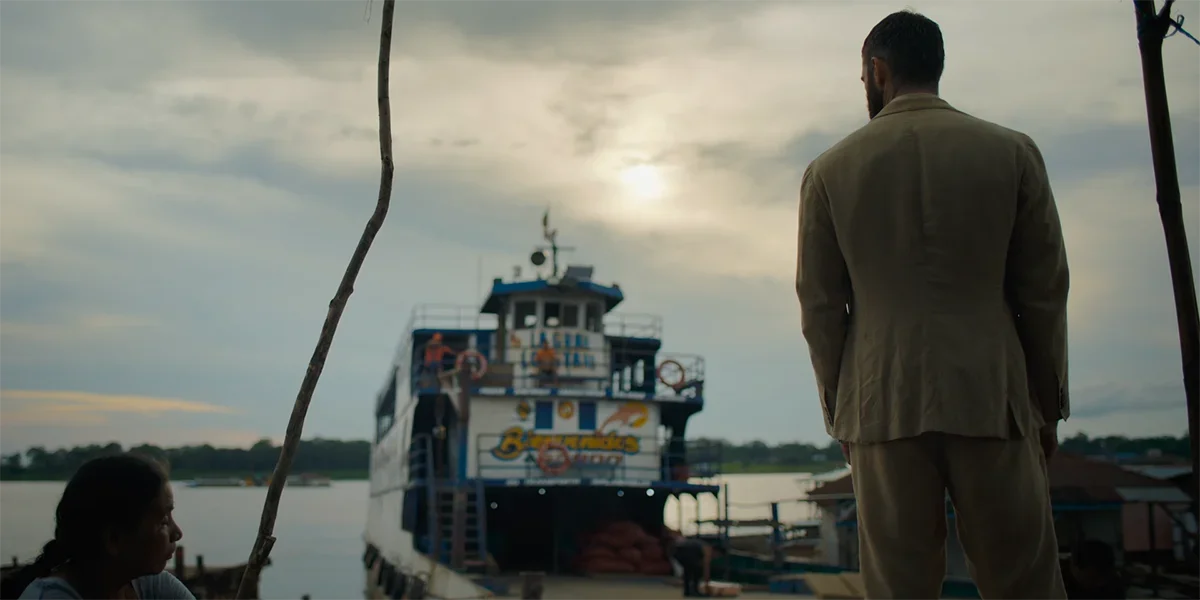
Image via Stone Quarry Inc.
Like so many projects in Snyder’s filmography, The Last Photograph has a long history. First conceived nearly two decades ago, the long-gestating script by Kurt Johnstad was eventually stripped of its geopolitical relevance in Afghanistan and instead transplanted to South America, financed independently by Snyder himself. Post-massacre, we pick up with Ethan Black (Stuart Martin), a former DEA agent hiding out in Iceland until he spots Wallace’s photograph plastered across the front page of a newspaper. Learning that his brother and Catherine (spoiler alert: Ethan and Catherine had an affair, revealed in a montage later in the film that can only be described as Netflix soap opera) were slaughtered and their two children kidnapped, Ethan travels south, hiring Wallace to guide him upriver for a bloody rescue mission.
What follows is a riff on Coppola’s Apocalypse Now that stumbles headfirst into the white savior trope. Snyder paints the Global South with an antiquated brush, reducing the local populace to cartel thugs, prostitutes, and primitive tribesmen who exist solely as spectators to Ethan’s heroic deeds - a dynamic pushed to unintentional comedy when we learn the locals revere Ethan as a God because he survived a lightning strike (a moment that prompted audible laughter during its world premiere screening at TIFF). At the same time, the film fails the Bechdel Test with flying colors. The woman at the start of the film mounting Wallace is certainly not a one-off; her bare breasts were a warning to expect nothing more of value. Not a single woman across the entire runtime possesses narrative agency; they exist exclusively as nude set decoration or victims subjected to horrendous torment, whether having teeth knocked out with a hammer or skulls blasted open, purely to give the male leads an excuse to feel tortured. Snyder, to be fair, also makes many of the male characters trample around shirtless, and there’s a blink-and-you’ll-thankfully-miss-it shot of a man’s penis for seemingly no reason but shock value.
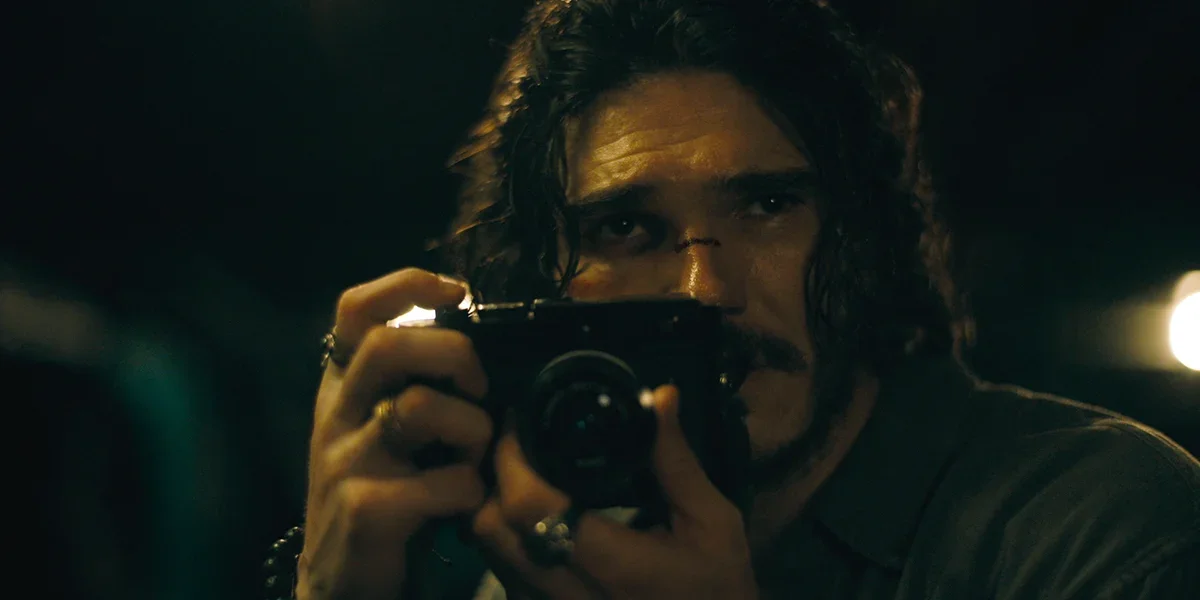
Image via Stone Quarry Inc.
Much of the emotional weight rests on Stuart Martin, trying his best to emulate Hugh Jackman with limited success. Martin spends the agonizingly long 135-minute runtime locked in a dead-serious grimace that increasingly resembles a man smelling a particularly odorous fart. Fra Fee fares slightly better on charisma alone, though Snyder burdens the photographer with a heroin addiction that leads to an extended injection sequence seemingly every 10 minutes. We get it, he’s addicted. Snyder’s story rapidly devolves into video-game shootout after video-game shootout, the frames slathered in digital blood and exploding CGI heads. While The Last Photograph attempts to be an intimate, grounded thriller about vengeance and redemption, its narrative emptiness leaves it dead on arrival. It claims to explore the desensitizing effect of glorifying violence on human empathy, yet endlessly revels in that very spectacle for “cool shots”. The title of Snyder’s film is literal in more ways than one; this misfire may be the last set of images we see from the director on the big screen.