
Movie Review: “Possible Love” Is A Carefully Expressed Slow Burn

10/12 ForReel Score | 4/5 Stars
Lee Chang-dong is a filmmaker who excels in putting the minds of his characters on full display. His methodological approach to his writing and slow unravelings of his stories are enough to sell me instantly, and they usually succeed in that. Possible Love is no exception to that style of filmmaking. Despite its lengthy runtime, it keeps hold of your attention the whole way through the mystery of its characters unraveling, drawing you in closer with every new bit of information you may learn. The movie discusses the ethics of documentary filmmaking, especially when tied to the social standings of the parties involved. While doing so, it takes you through a harrowing journey of what it's like to come back from the traumatic experiences involved with being the little guy, trying to fight those in power and losing. Despite this, it never shies away from showing you the inevitable feelings of envy that come with being near people living in a completely different world than you. Possible Love is without a doubt one of the most intellectual films of the year that also proves to be its most dissectable. It’s a movie that will flourish with every rewatch you decide to grant it.
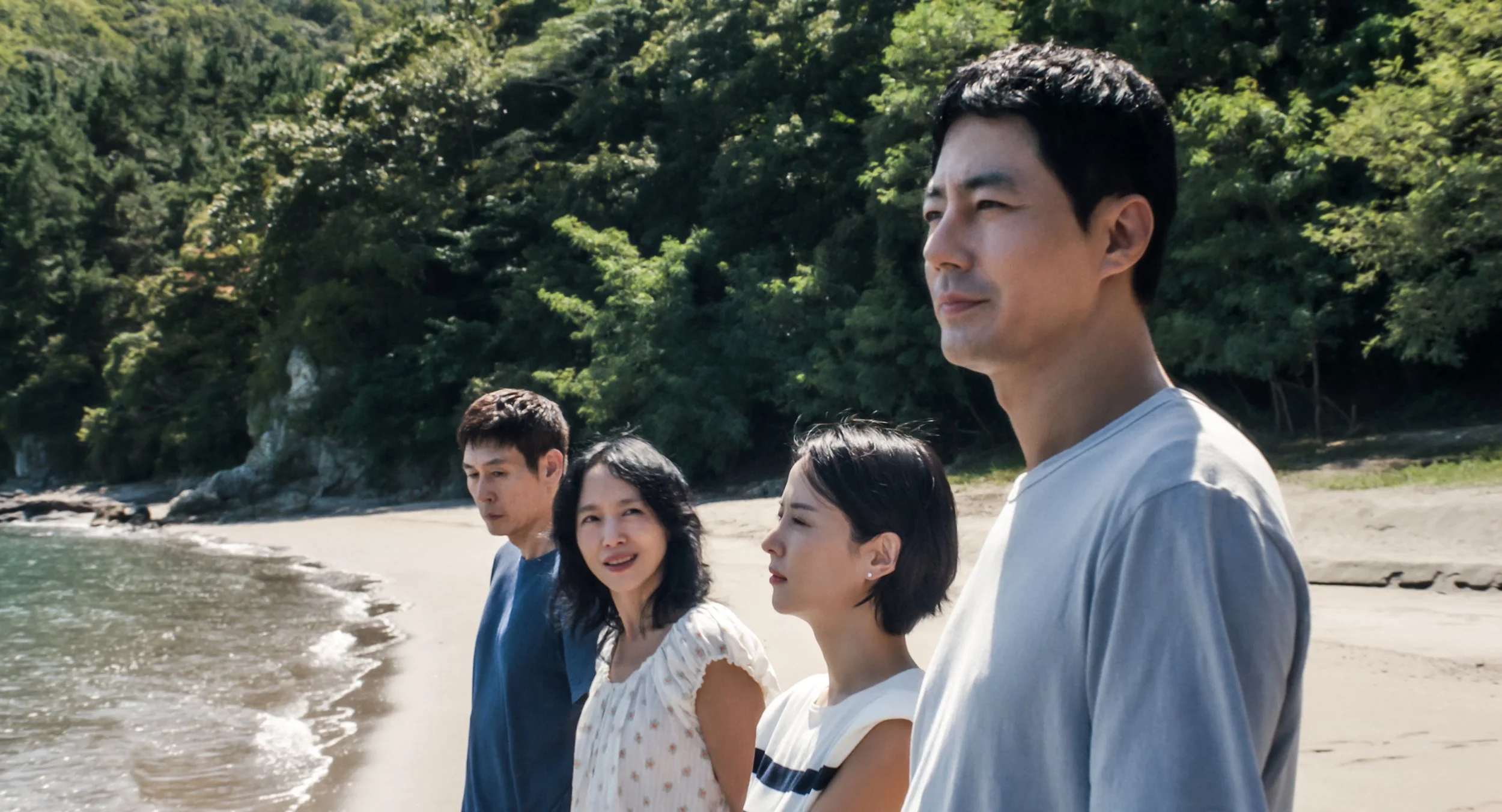
Image courtesy of Netflix.
The film begins with Mi-ok and Ho-seok attending a funeral for someone they knew. They’re married with one boy, Cheol, and are trying to process their emotions. Mi-ok, played by a standout Jeon Do-yeon, has a job in a factory, but needs an outlet for her emotions. Ho-seok, played by a captivating Sul Kyung-gu, has a new job himself after recently losing his job at a factory as part of a series of strikes performed by the workforce and their families. Both are traumatized by this and the corporation’s mishandling of the situation, and their son constantly picks up on this. Mi-ok ends up befriending a woman, Ye-ji, making a documentary film on the people who lost their jobs. Ho-seok isn’t necessarily against it, but he is uncomfortable by it and doesn’t believe it’ll really do any good. Ye-ji’s husband, Sang-woo, is a rich businessman who, likewise, doesn’t see the value in her work, but supports it regardless. This deliberately placed cast spends the majority of the film together talking about their lives and their experiences.
The movie is about the class divide as well as the trauma associated with financial instability and job insecurity, but I also found it to make really interesting points on the morality of certain aspects of documentary filmmaking. Documentaries are one of the most important tools we have as a society to teach and learn, but the most important part of that comes with the intent and approach behind that. Ye-ji’s film feels hollow and exploitative. She convinces herself that she has to be friends with them to get the best out of them on her camera, though she never shares a single true, genuine moment with them. It’s all just good footage to her, someone who could never really understand their struggles as someone who doesn’t have to live their lives.
The relationships built between these characters over time is the real meat of the movie. The film comes in at just under three hours, but it uses all that time expertly and carefully. Ho-seok is a ticking timebomb. He’s filled with anger and trauma and doesn’t know how to process that, and so when he’s acting opposite Mi-ok and her willingness to try, it creates an entertaining but quiet conflict. Mi-ok befriending Sang-woo and Ye-ji proves to be the most interesting plotline of the movie. She uses them as an outlet, and they really want to get Ho-seok’s perspective through her. It’s completely transactional, and she envies them. Mi-ok clearly wants for their wealth and status, but doesn’t give up who she is for that.
The movie looks absolutely gorgeous. The framing and composition of each shot from cinematographer Kim Ji-yong is out of this world. Paired with Lee Chang-dong’s masterful blocking direction, it’s just a great looking movie. The skill in the use of layers in each shot is on par with Citizen Kane. There’s a specific scene where Mi-ok and Ho-seok visit Ye-ji and Sang-woo in a vacation home they have, and it’s wonderfully put together. Mi-ok and Ho-Seok cover the foreground with Cheol while Ye-ji and Sang-woo dominate the middleground. In the background is the house’s caretaker, who happened to be a childhood friend of Sang-woo’s, looking in through a window as he does his work. It puts more emphasis on the class dispute as it just shows that people of a higher status view these vulnerable individuals as play things for a time, giving them all the attention at first before chewing them and spitting them out when they’re done.
Possible Love is a slow, quiet, and long look at the unfairness of the state of job security and how stepping up for yourself can destroy you. It tells you not to be complacent, but that envy is only natural. We all seek a community and an environment where we can feel comfortable with ourselves and those around us without having to worry about being taken advantage of. Lee Chang-dong shows his grasp on these ideas almost effortlessly, putting together one of the meatiest films on the subject this year. The more you sit with these characters and watch their lives play out, the easier it is for you to relate to them and feel their pain and struggles. It’s a beautifully put together film that does not hesitate to speak its calm mind.