
Movie Review: "Sunrise on the Reaping" Makes These Hunger Games Matter
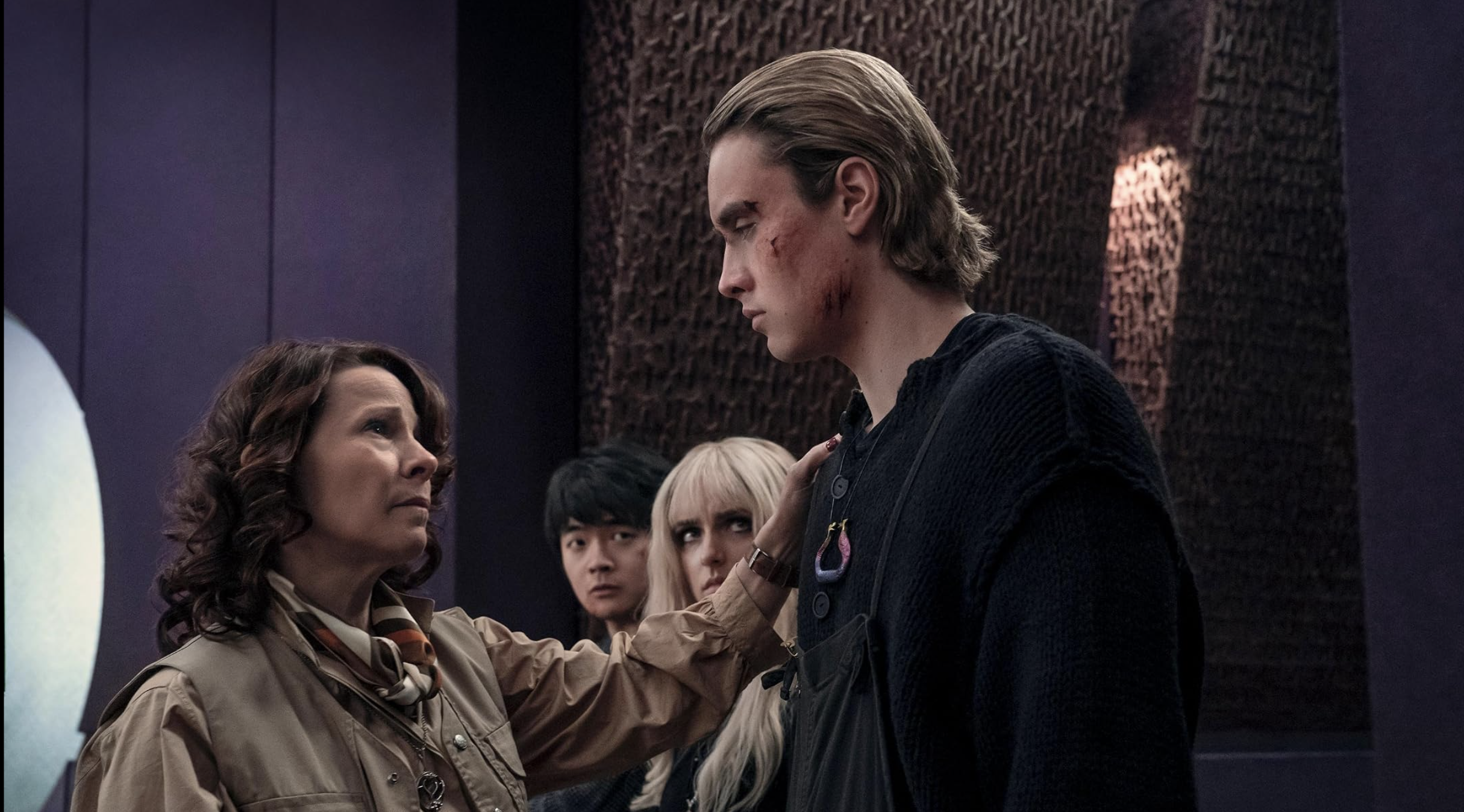
Image courtesy of Lionsgate

8/12 ForReel Score | 3.5/5 Stars
The Hunger Games saga has been an exercise in going through the motions after peaking early with sophmore installment Catching Fire in 2013. Afterwards, the cast was visibly miserable suffering through an extended adaptation of underwhelming trilogy capper Mockingjay. The passion that Jennifer Lawrence and company brought to these characters while they were living under fascism curdled into apathy as they overthrew it. An eight year gap did no favors for 2023’s Ballad of Songbirds and Snakes, a tepid prequel that cemented the world of Panem as a stale relic from another era of pop culture - or so I thought. Sunrise on the Reaping, which adapts Suzanne Collins second prequel, is surprisingly the most engrossing entry in the series since Catching Fire. Franchise steward Francis Lawrence doesn’t make any major changes to the well-trodden formula. We’re still watching a group of tributes with consequential links to the tale of Katniss Everdeen partake in more primitive iterations of Panem’s oppressive battle royale. This time - I cared about them.
We follow the misfortune of teenage Haymitch Abernathy (Joseph Zadda). He’s swept into the first of the Hunger Games’ Quarter Quell tournaments after another male tribute defies his calling and is in turn executed in front of the rest of District 12. He’s taken to the capital alongside the spunky Maysillee Donner (McKenna Grace), bookie-in-training Wyatt (Ben Wang) and significantly younger Louella (Molly McCann) whom Haymitch feels protective over. He leaves behind both his family and beloved partner Lenore Dove (Whitney Peak), who finds herself in trouble with the law later on. During training, Haymitch catches wind of a conspiracy to break the arena by exploiting its technological weaknesses. He joins this effort while still unsure of who he can trust.
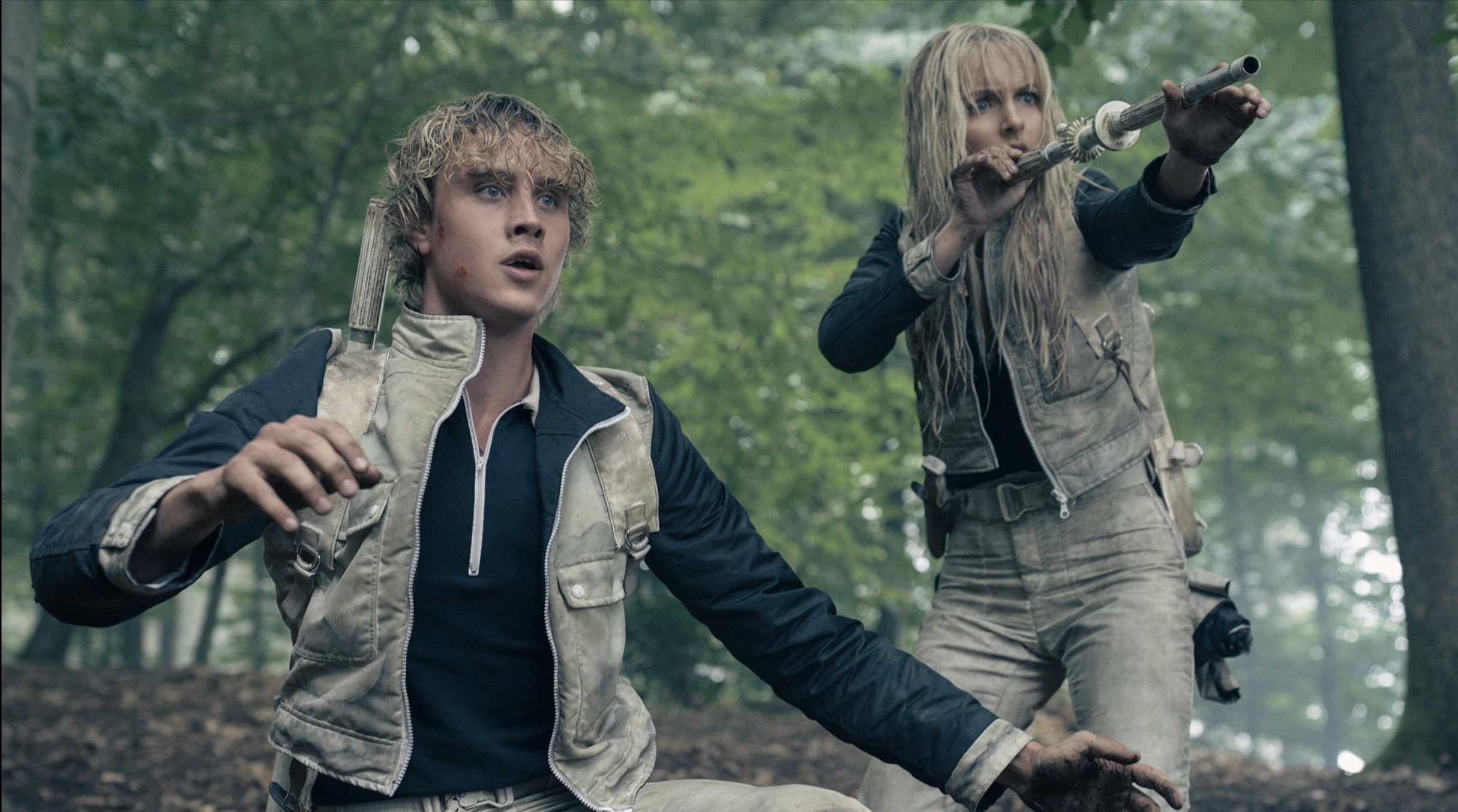
Image courtesy of Lionsgate.
Sunrise on the Reaping is a triumph of casting. Woody Harrelson brought such a specific, off-kilter screen presence to Haymitch. That would be intimidating for any actor to step into - let alone a virtual unknown like Joseph Zadda. He accurately channels Harrelson’s delivery (perhaps laying it on a little thick) while still conveying that this is a more spry and charming Haymitch who the world will soon break. The romantic energy between him and Lenore Dove is rather tender and steamy by YA movie standards. We believe that he is devastated by that separation. He then spends most of the movie opposite Grace, who also really pops as the unflappable Maysillee. Grace has spent most of her young career cultivating a softer image but from the moment she smacks the ghoulish Drusilla Sickle (Glenn Close) upside the head she acquits herself in a tougher role. It’s just a shame that we don’t get to see her explore Maysillee’s twin sister Merrilee very much at all.
It’s a delight to watch a gaggle of movie stars deliver their takes on the antiheroes and villains of Panem’s capital. Jesse Plemons leans directly into career long comparisons to Philip Seymour Hoffman to realize a less-assured version of double agent Plutarch Heavensbee. He hasn’t yet risen to the rank of Gamemaker. He’s simply tasked with filming the news coverage for District 12. Yet, we see him imperfectly crafting the manipulation tactics he uses on both the people he wants to overthrow and the tributes he aims to put in harm's way. He’s not as convincingly sinister as Hoffman but we see how he will get there. Kieran Culkin predictably plays commentator Caesar Flickerman as a more flamboyant Roman Roy and scores easy laughs. Elle Fanning is perhaps a more natural fit for bubbly and snarky stylist Effie Trinket than Elizabeth Banks was. Kelvin Harrison Jr’s impression of Jeffrey Wright’s tech savvy Beattie is even more uncanny than Zadda’s Harrelson. The only revival who falls a bit flat is Ralph Fiennes as President Snow. He doesn’t attempt to channel Donald Southerland or Tom Blyth. He just sleepwalks through his handful of intimidation scenes relying on his built-in screen presence and crazy wig to bring the menace. It’s strange that Snow feels like such an afterthought after Songbirds made such a point to humanize him. Thankfully, Glenn Close’s positively rancid Drusilla picks up some slack. Perhaps the campiest and most despicable freak of the entire saga.
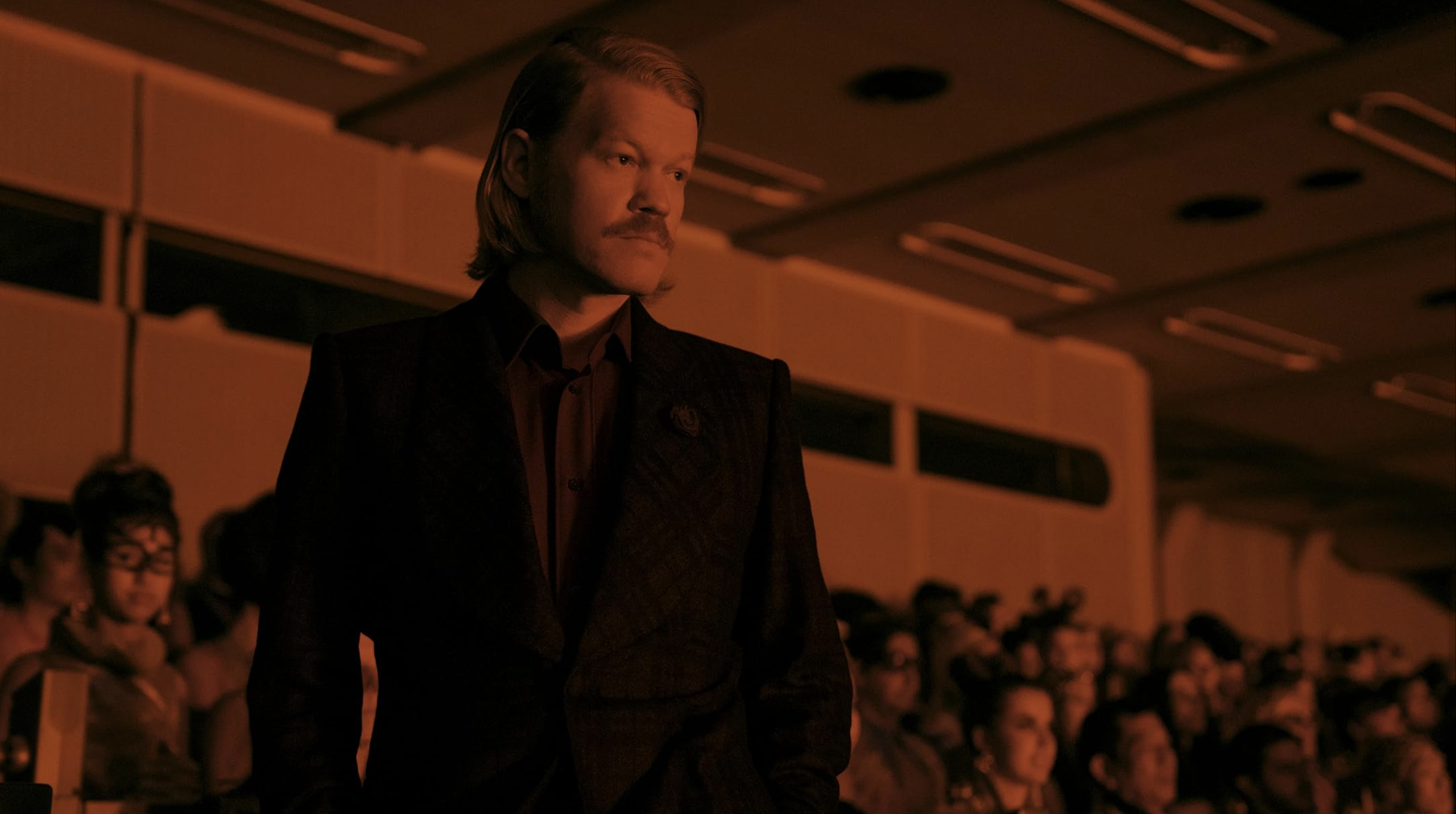
Image courtesy of Lionsgate
Lawrence lets us sit with these characters for a significant amount of time before the games begin. His patience pays off - I felt considerable dread knowing that everyone but Haymitch was likely not long for this world. We’re then treated to one of the more exciting outings in the arena this series has offered us. The location is deceptively scenic and vibrant, full of gorgeous and poisonous foliage one wants to reach out and touch when displayed on an IMAX screen. As usual - the actual violence can only go so far with the PG-13 rating but this time the threats mostly come from the capital’s devious use of robotic animals to mutilate the tributes. The larger scale visual effects can also be a bit dodgy but for the most part, this stretch of Sunrise on the Reaping gets the job done and sets up the gut punches that await after the games end.
Sunrise on the Reaping certainly isn’t going to launch any revolutions or even careers on the level of Jennifer Lawrence. That era of influence for YA adaptations is far behind us. However, it does allow The Hunger Games to re-assert itself as one of the more prescient series from that period. Only time will tell if Collins and Lawrence can find another corner of this world to explore but if they do - I’ll perhaps approach that film with outright optimism.